The direct answer
Plan tooling as a controlled sequence of engineering, trial samples, corrections and production release—not as a single date on a quotation. This guide is written for overseas brand, retail and sourcing teams that need a practical way to compare options and instruct a supplier. It explains what to decide, what evidence to request and which details should be frozen before a commitment is difficult to reverse. It does not replace market-specific legal, testing, customs or professional advice.
01 / Buyer action
Start with a defined custom toy mold tooling timeline decision
A useful custom toy mold tooling timeline decision starts with a one-page scope that states who will buy the product, how it will be used or displayed, the intended sales channel, the requested delivery window and the evidence required for approval. The purpose is to make early quotations comparable while leaving no ambiguity about which requirements are still assumptions. For custom toy mold tooling timeline, the buyer should connect the commercial promise to observable evidence: an approved specification, an actual sample, a pack-out record and a documented shipment inspection. This makes product application, factory testing and customer requirements easier to discuss without treating marketing language as a manufacturing instruction.
- Write the buyer, product, channel and launch purpose in one controlled brief. Document the decision in the controlled product record, identify the owner and date, and compare the result with the approved physical reference before moving to the next purchasing or production gate. Keep the related email, photograph, sample and revision reference together so a later buyer, factory team or inspector can verify the decision without relying on memory.
- Separate confirmed requirements from preferences and open questions. Document the decision in the controlled product record, identify the owner and date, and compare the result with the approved physical reference before moving to the next purchasing or production gate. Keep the related email, photograph, sample and revision reference together so a later buyer, factory team or inspector can verify the decision without relying on memory.
- List every artwork, sample, pack or document that must be reviewed before release. Document the decision in the controlled product record, identify the owner and date, and compare the result with the approved physical reference before moving to the next purchasing or production gate. Keep the related email, photograph, sample and revision reference together so a later buyer, factory team or inspector can verify the decision without relying on memory.
02 / Buyer action
Translate toy mold development process into measurable specifications
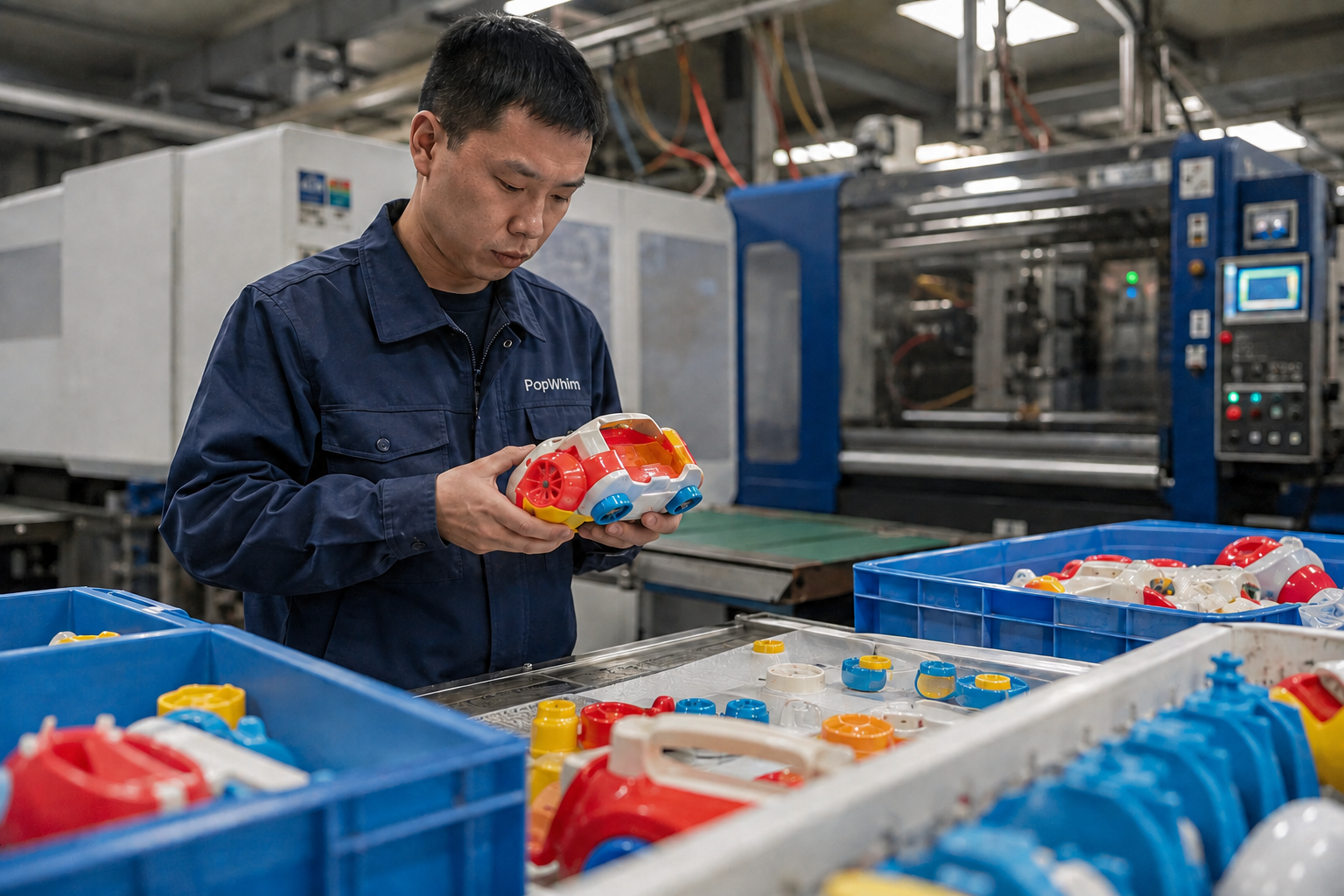
The phrase toy mold development process only becomes actionable when it is tied to material, dimensions, component count, finish, packaging and use conditions. A production team should be able to read the controlled specification and understand what must be made, what variation is acceptable and what must be escalated before it reaches the buyer. For custom toy mold tooling timeline, the buyer should connect the commercial promise to observable evidence: an approved specification, an actual sample, a pack-out record and a documented shipment inspection. This makes product application, factory testing and customer requirements easier to discuss without treating marketing language as a manufacturing instruction.
- Use physical units and reference photographs where they improve clarity. Document the decision in the controlled product record, identify the owner and date, and compare the result with the approved physical reference before moving to the next purchasing or production gate. Keep the related email, photograph, sample and revision reference together so a later buyer, factory team or inspector can verify the decision without relying on memory.
- Name the approved material and finish rather than relying on a visual description. Document the decision in the controlled product record, identify the owner and date, and compare the result with the approved physical reference before moving to the next purchasing or production gate. Keep the related email, photograph, sample and revision reference together so a later buyer, factory team or inspector can verify the decision without relying on memory.
- Record product, packaging and carton measurements separately. Document the decision in the controlled product record, identify the owner and date, and compare the result with the approved physical reference before moving to the next purchasing or production gate. Keep the related email, photograph, sample and revision reference together so a later buyer, factory team or inspector can verify the decision without relying on memory.
03 / Buyer action
Review the sample route before committing bulk spend
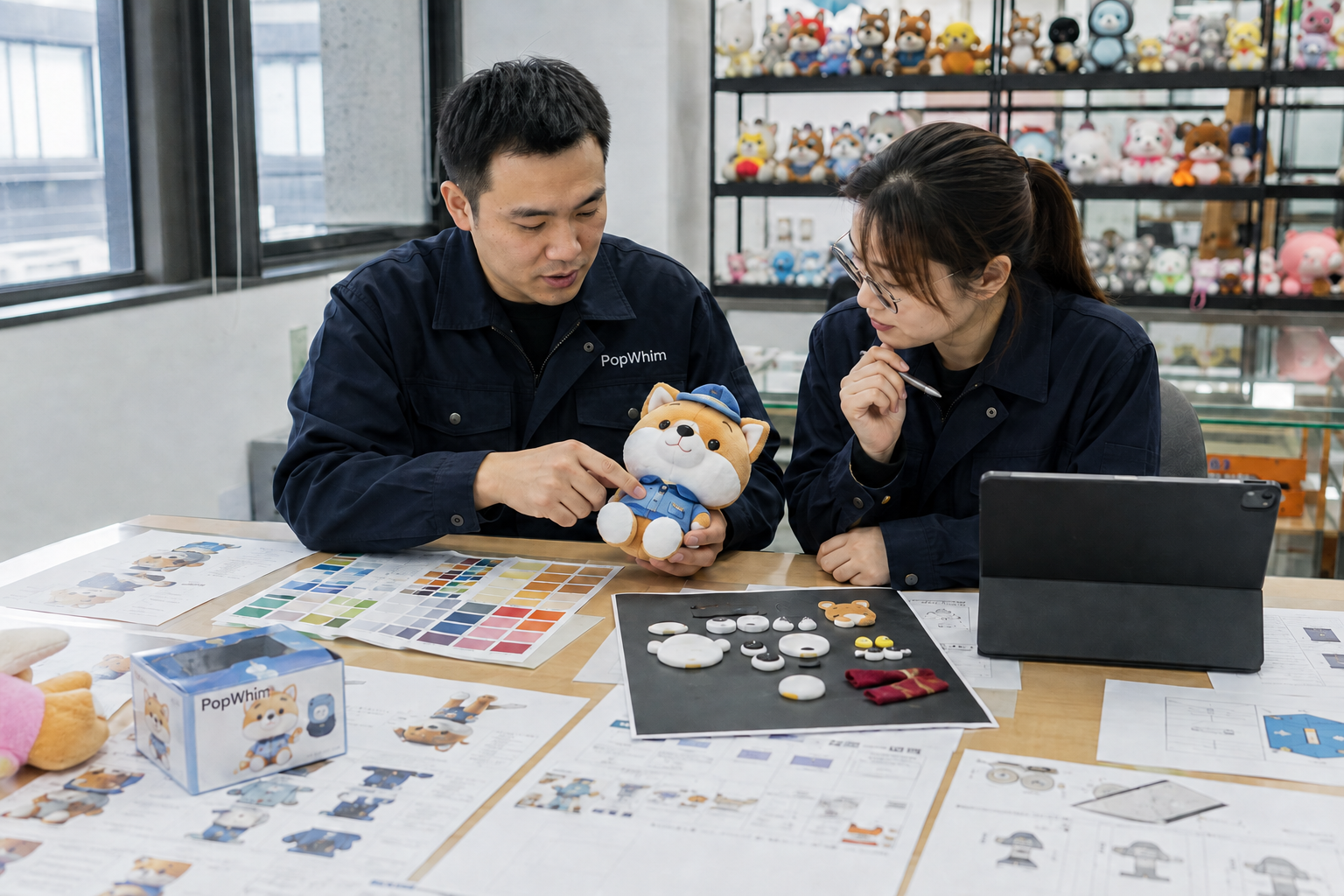
A sample is useful only when the buyer knows what question it answers. An early prototype may confirm form, while a pre-production sample can confirm material, color, fitted parts and pack compatibility. For collectible figure tooling, keep each review tied to a revision number so a factory does not treat an earlier visual as the final production instruction. For custom toy mold tooling timeline, the buyer should connect the commercial promise to observable evidence: an approved specification, an actual sample, a pack-out record and a documented shipment inspection. This makes product application, factory testing and customer requirements easier to discuss without treating marketing language as a manufacturing instruction.
- Mark feedback as approve, revise or investigate rather than mixing all comments. Document the decision in the controlled product record, identify the owner and date, and compare the result with the approved physical reference before moving to the next purchasing or production gate. Keep the related email, photograph, sample and revision reference together so a later buyer, factory team or inspector can verify the decision without relying on memory.
- Photograph all critical surfaces, interfaces and packaging contact points. Document the decision in the controlled product record, identify the owner and date, and compare the result with the approved physical reference before moving to the next purchasing or production gate. Keep the related email, photograph, sample and revision reference together so a later buyer, factory team or inspector can verify the decision without relying on memory.
- Keep an approved sample and its matching documents available to QC staff. Document the decision in the controlled product record, identify the owner and date, and compare the result with the approved physical reference before moving to the next purchasing or production gate. Keep the related email, photograph, sample and revision reference together so a later buyer, factory team or inspector can verify the decision without relying on memory.
04 / Buyer action
Build quality checks around custom toy mold lead time
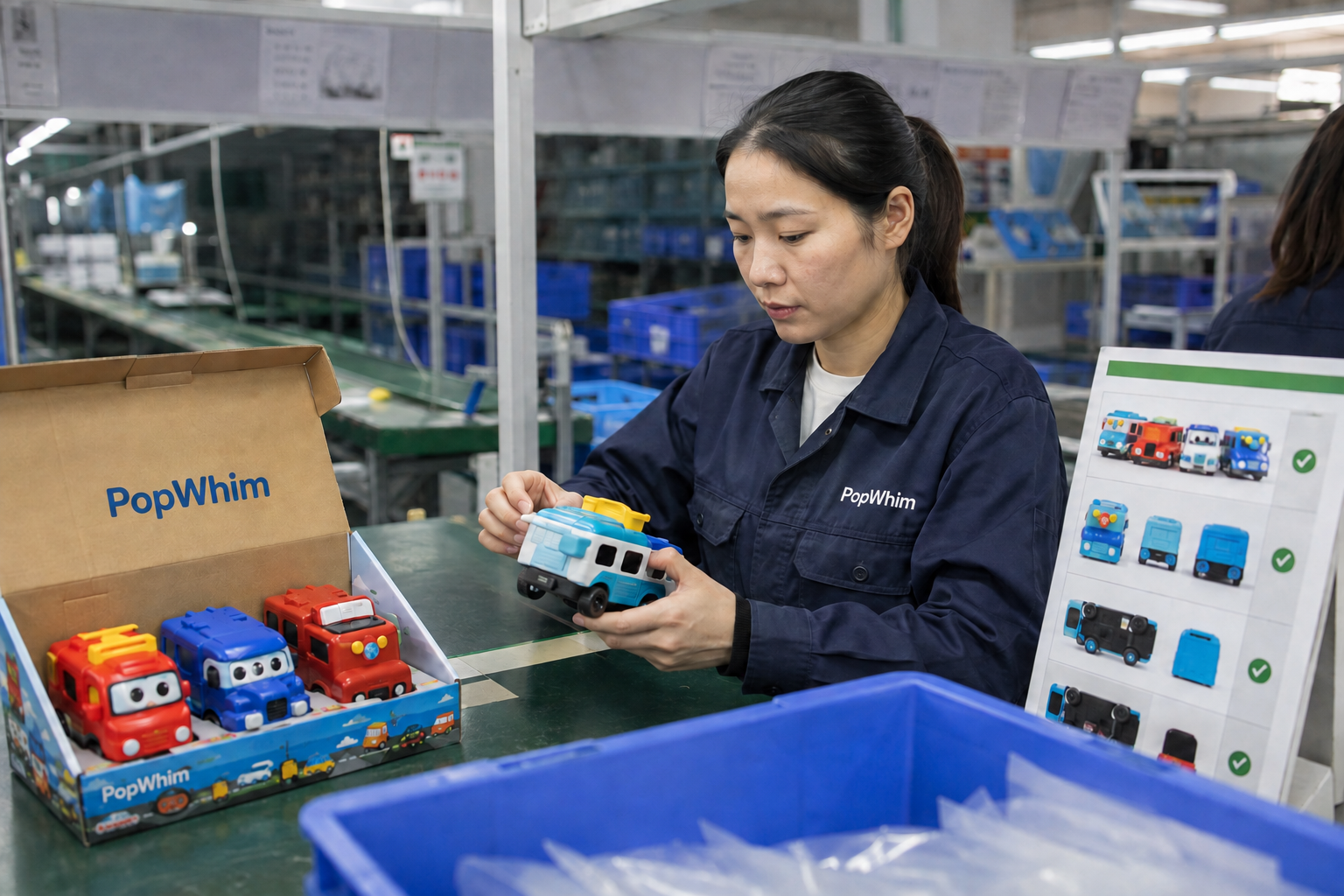
Quality control works best when it follows the customer-facing risk: appearance, fit, function, count, labeling or protection. The factory should conduct in-process checks where defects can still be corrected, then compare finished goods and packed cartons to the approved reference during shipment inspection. A passing statement with no criteria is weaker than a clear evidence trail. For custom toy mold tooling timeline, the buyer should connect the commercial promise to observable evidence: an approved specification, an actual sample, a pack-out record and a documented shipment inspection. This makes product application, factory testing and customer requirements easier to discuss without treating marketing language as a manufacturing instruction.
- Define defects that stop shipment, require rework or can be accepted. Document the decision in the controlled product record, identify the owner and date, and compare the result with the approved physical reference before moving to the next purchasing or production gate. Keep the related email, photograph, sample and revision reference together so a later buyer, factory team or inspector can verify the decision without relying on memory.
- Check a packed retail unit as well as an unpacked product. Document the decision in the controlled product record, identify the owner and date, and compare the result with the approved physical reference before moving to the next purchasing or production gate. Keep the related email, photograph, sample and revision reference together so a later buyer, factory team or inspector can verify the decision without relying on memory.
- Record quantities, carton marks and approved exceptions in the inspection report. Document the decision in the controlled product record, identify the owner and date, and compare the result with the approved physical reference before moving to the next purchasing or production gate. Keep the related email, photograph, sample and revision reference together so a later buyer, factory team or inspector can verify the decision without relying on memory.
05 / Buyer action
Make packaging and delivery support toy tooling approval
Packaging is part of the product system, especially when a collector, retailer or warehouse receives the item before the brand team sees it. Confirm the retail pack, inserts, labels, case configuration and outer-carton markings from actual packed goods. This preparation avoids a late discovery that an approved product does not fit, scan or survive the intended route. For custom toy mold tooling timeline, the buyer should connect the commercial promise to observable evidence: an approved specification, an actual sample, a pack-out record and a documented shipment inspection. This makes product application, factory testing and customer requirements easier to discuss without treating marketing language as a manufacturing instruction.
- Test the product in the final insert and retail box, not only in an empty proof. Document the decision in the controlled product record, identify the owner and date, and compare the result with the approved physical reference before moving to the next purchasing or production gate. Keep the related email, photograph, sample and revision reference together so a later buyer, factory team or inspector can verify the decision without relying on memory.
- Validate barcode and label locations with the receiving channel where relevant. Document the decision in the controlled product record, identify the owner and date, and compare the result with the approved physical reference before moving to the next purchasing or production gate. Keep the related email, photograph, sample and revision reference together so a later buyer, factory team or inspector can verify the decision without relying on memory.
- Use final carton data—not estimates—for shipment and warehouse planning. Document the decision in the controlled product record, identify the owner and date, and compare the result with the approved physical reference before moving to the next purchasing or production gate. Keep the related email, photograph, sample and revision reference together so a later buyer, factory team or inspector can verify the decision without relying on memory.
06 / Buyer action
Coordinate factory testing and shipment inspection
Factory testing should verify the agreed product and pack condition before a shipment is released; it is not a substitute for design approval or market compliance review. For injection mold toy manufacturer, align the factory, buyer, inspector and freight contact on the exact release condition, evidence files, product counts and deadline for corrective actions. For custom toy mold tooling timeline, the buyer should connect the commercial promise to observable evidence: an approved specification, an actual sample, a pack-out record and a documented shipment inspection. This makes product application, factory testing and customer requirements easier to discuss without treating marketing language as a manufacturing instruction.
- Agree the inspection timing before production is complete. Document the decision in the controlled product record, identify the owner and date, and compare the result with the approved physical reference before moving to the next purchasing or production gate. Keep the related email, photograph, sample and revision reference together so a later buyer, factory team or inspector can verify the decision without relying on memory.
- Give inspectors the current specification, golden sample and carton rules. Document the decision in the controlled product record, identify the owner and date, and compare the result with the approved physical reference before moving to the next purchasing or production gate. Keep the related email, photograph, sample and revision reference together so a later buyer, factory team or inspector can verify the decision without relying on memory.
- Approve shipment only after the finished-goods evidence is reconciled with the purchase order. Document the decision in the controlled product record, identify the owner and date, and compare the result with the approved physical reference before moving to the next purchasing or production gate. Keep the related email, photograph, sample and revision reference together so a later buyer, factory team or inspector can verify the decision without relying on memory.
07 / Buyer action
Use post-launch evidence to improve the next order
A finished shipment provides evidence that should inform a reorder, not merely close the project. Capture buyer feedback, warehouse findings, customer questions, returns and any production deviations. The next decision on custom toy mold tooling timeline should start from the known result, which reduces revision loops and protects product consistency across future waves. For custom toy mold tooling timeline, the buyer should connect the commercial promise to observable evidence: an approved specification, an actual sample, a pack-out record and a documented shipment inspection. This makes product application, factory testing and customer requirements easier to discuss without treating marketing language as a manufacturing instruction.
- Review the first receiving report with the factory after delivery. Document the decision in the controlled product record, identify the owner and date, and compare the result with the approved physical reference before moving to the next purchasing or production gate. Keep the related email, photograph, sample and revision reference together so a later buyer, factory team or inspector can verify the decision without relying on memory.
- Preserve approved files and source samples for replenishment. Document the decision in the controlled product record, identify the owner and date, and compare the result with the approved physical reference before moving to the next purchasing or production gate. Keep the related email, photograph, sample and revision reference together so a later buyer, factory team or inspector can verify the decision without relying on memory.
- Update the brief only through version-controlled changes that both sides acknowledge. Document the decision in the controlled product record, identify the owner and date, and compare the result with the approved physical reference before moving to the next purchasing or production gate. Keep the related email, photograph, sample and revision reference together so a later buyer, factory team or inspector can verify the decision without relying on memory.
Buyer FAQ
Common questions about custom toy mold tooling timeline
What is the first step when planning custom toy mold tooling timeline?
Start with a controlled buyer brief. Define the actual product application, target channel, expected quantity, sample decision and delivery date. That lets a supplier identify missing technical information before it becomes a production assumption.
Which custom toy mold tooling timeline keywords does this guide cover?
The guide connects custom toy mold tooling timeline, toy mold development process, collectible figure tooling, custom toy mold lead time, toy tooling approval, injection mold toy manufacturer. These are related buyer questions, but the suitable evidence depends on the product, market, packaging and commercial model.
How should a buyer use factory testing for custom toy mold tooling timeline?
Use factory testing against approved criteria, actual samples and final packaging. It should provide traceable evidence before shipment inspection, rather than replacing early sample approval or destination-market responsibilities.
What should be included in a shipment inspection?
Confirm the finished product, cosmetic condition, component and pack-out count, labels, carton marks, measurements and any previously agreed acceptance criteria. Record deviations clearly before freight release.
When should the project specification be changed?
Change it only through a dated revision that identifies the affected product, packaging, quality or delivery decision. Assess whether a new sample, test or approval is needed before the revision enters bulk production.
External references
Official sources and further reading
Ready to act?