The direct answer
Toy supplier verification in China is most valuable when it tests whether a supplier can support the buyer's intended SKU and market route. Buyers should look beyond a company profile to comparable product evidence, production scope, sample discipline, quality records, packaging process, document control and the handover points that will matter on the first order.
01 / Buyer action
Define the exact buyer decision before requesting a quote
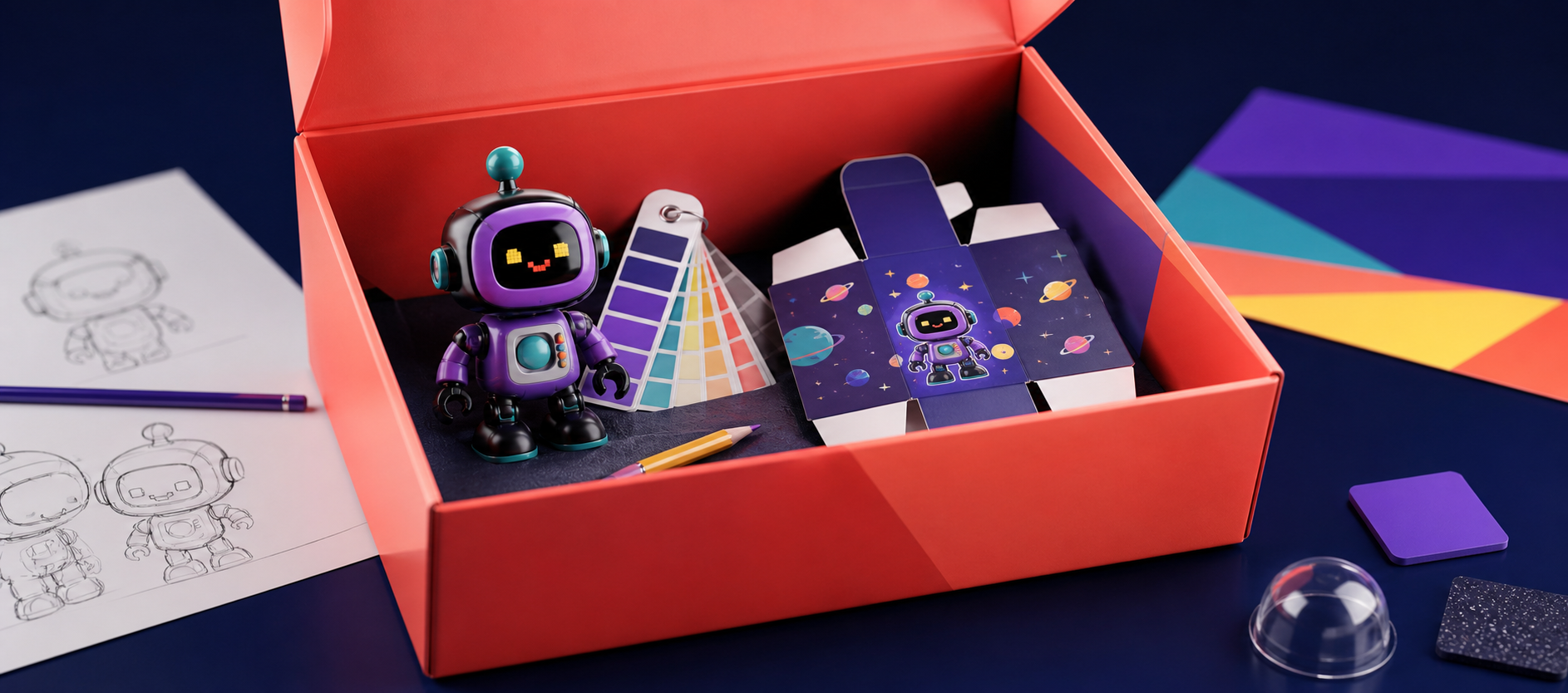
Toy supplier verification in China is most valuable when it tests whether a supplier can support the buyer's intended SKU and market route. Buyers should look beyond a company profile to comparable product evidence, production scope, sample discipline, quality records, packaging process, document control and the handover points that will matter on the first order. Start with an approval-ready buyer brief. Record the intended customer, channel, market, product format, quantity range, price role and decision owner. For toy supplier verification, this lets the factory respond to a defined project rather than filling missing information with a commercial assumption. The brief should state which product features are fixed and which can be engineered, including materials, finish, accessories, packaging and launch timing. It should also identify whether the buyer is evaluating a new product, a private-label adaptation, a retailer program or a repeatable collection. A practical brief does not pretend every answer is available on day one; it separates known facts from open decisions and assigns an owner for each open item. In a real buyer review, this first stage is where many avoidable revisions begin. Hold a short cross-functional check before the request is issued: commercial colleagues can confirm the channel and price position, creative colleagues can identify approved assets, sourcing can identify supplier questions and quality colleagues can flag any product features that need early review. Capture the outcome in the brief rather than in separate messages. If a requirement is only a preference, label it that way. If it is a customer, retailer or destination-market condition, state the owner and source. The factory then receives a usable decision document instead of a collection of priorities that conflict later in sampling.
- Confirm the current version, owner and release condition for toy supplier verification.
- Keep product, packaging and market assumptions in the same controlled project record.
- Document changes and the evidence required before the next approval gate.
02 / Buyer action
Ask for supplier evidence that fits the planned SKU
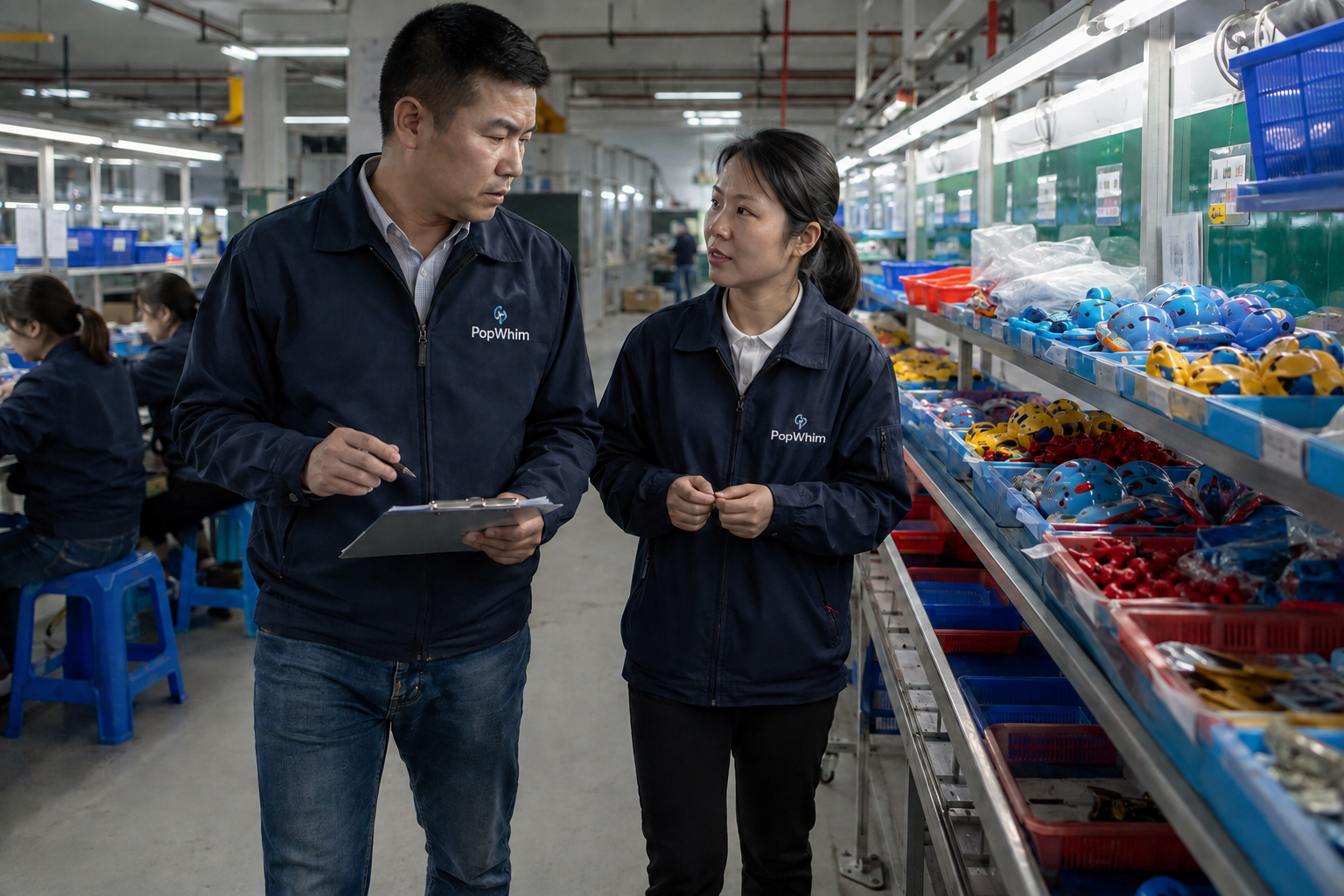
Verification should be tied to the physical and commercial plan. Ask which processes are in scope, which are subcontracted, what comparable materials or finishes have been handled, how samples are recorded and how carton, label and shipment information is controlled for a finished order. Evidence should match the product that will actually be quoted and produced. Ask suppliers to identify comparable work, the materials and processes used, the proposed part or packaging route, sample stages, quality checkpoints and assumptions that could affect price or timing. A generic catalog picture does not prove that the factory can reproduce a particular finish, fitted component or pack-out. Keep quotations, drawings, sample comments, artwork proofs and carton assumptions connected to one revision-controlled record. That record gives the buying team a factual basis for comparing suppliers and makes it possible to explain why a specific option was selected. Evidence should also be practical enough for a new stakeholder to inspect. For example, ask the supplier to state whether a photo shows a concept, prototype, pre-production unit or bulk item; whether the shown package is the actual planned pack; and whether an accessory, color or material is representative of the quote. Where a factory proposes a different route, request a clear statement of the customer-facing and operational trade-off. This does not slow a capable supplier down. It gives the buyer a faster way to compare options and creates a written basis for an approval that can survive changes in team members, launch dates or commercial assumptions.
- Confirm the current version, owner and release condition for toy supplier verification.
- Keep product, packaging and market assumptions in the same controlled project record.
- Document changes and the evidence required before the next approval gate.
03 / Buyer action
Use prototype and sample reviews as controlled approval gates
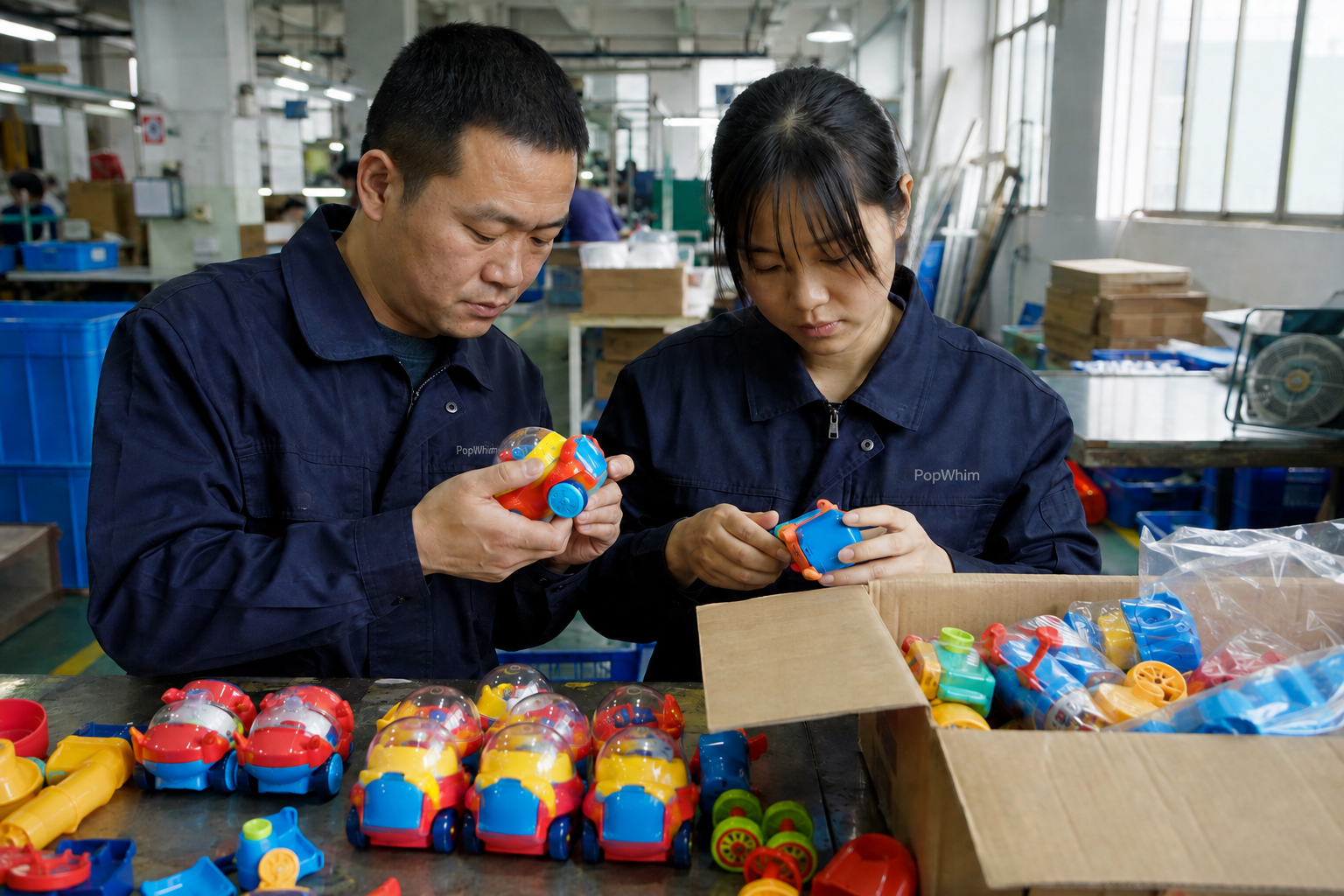
Verification should be tied to the physical and commercial plan. Ask which processes are in scope, which are subcontracted, what comparable materials or finishes have been handled, how samples are recorded and how carton, label and shipment information is controlled for a finished order. Use samples as decision gates rather than photographs to approve by instinct. Name each sample, state what it is intended to prove and record the buyer's comments in one controlled list. A concept sample may validate character direction; an engineering or pre-production sample may validate material, construction, finish, accessory fit and packaging. When a change affects the target product, ask whether it also changes tooling, cost, timing, test-sample relevance, packaging or inspection criteria. Documenting this link protects both the buyer and the factory from a late disagreement about what version was actually approved. During the review, separate observations from release decisions. An observation might say that a paint edge, embroidery line, joint, attachment or carton insert needs adjustment. The decision record should say whether the next sample is required, whether the proposed remedy is accepted, who will review it and whether the change affects the product specification. Photograph the actual item with enough context to identify the version and location. Avoid approving important changes through isolated chat images. One comment sheet is easier for the factory to execute and lets the buyer distinguish a completed action from a later suggestion for a future range.
- Confirm the current version, owner and release condition for toy supplier verification.
- Keep product, packaging and market assumptions in the same controlled project record.
- Document changes and the evidence required before the next approval gate.
04 / Buyer action
Build factory testing and quality checks into the plan
A broad audit or a factory tour cannot establish that an untested product configuration will be managed correctly. Use supplier verification alongside a controlled brief, sample plan, product-specific market review and inspection process; each answers a different buying question. Quality planning begins before mass production. Identify the product surfaces, parts, functions, accessory counts, labels and pack-out details that matter to the customer, then agree how they will be checked. Factory testing can detect process issues earlier, while final inspection should compare finished goods with the approved sample and controlled checklist. A useful quality report records the inspected lot, product identity, observed issues, photos, corrective actions and the evidence used to close them. It should support a release decision, not merely say that an order was checked. Escalate market, legal or safety questions to the responsible importer, laboratory or qualified adviser for the final SKU and destination. Inspection criteria should be proportionate to the product and sales channel. A collector-facing face paint issue, a missing accessory, a non-scannable barcode or a damaged window box may matter more than a small hidden variation. Define critical, major and minor issues only after the buyer has described the customer impact and the approved reference. If a defect occurs repeatedly, ask the factory for the process cause and the planned correction, then decide how completion will be checked. This makes factory testing and shipment inspection useful feedback loops rather than isolated reports received after a difficult decision has already been made.
- Confirm the current version, owner and release condition for toy supplier verification.
- Keep product, packaging and market assumptions in the same controlled project record.
- Document changes and the evidence required before the next approval gate.
05 / Buyer action
Approve packaging, labels and cargo data as one product system
Verification should be tied to the physical and commercial plan. Ask which processes are in scope, which are subcontracted, what comparable materials or finishes have been handled, how samples are recorded and how carton, label and shipment information is controlled for a finished order. Packaging and logistics are part of the product decision. Review the final unit inside the intended consumer pack, then verify that inner packs and export cartons protect the same approved configuration through warehouse handling and transport. Confirm product identity, labels, barcode or traceability fields where applicable, accessory count, carton quantity, dimensions, weights and shipping marks from packed goods rather than early estimates. This information supports freight, receiving and future replenishment decisions. It also creates a reference when a retailer, distributor or warehouse team needs to investigate a discrepancy after delivery. The pack-out review should include the actual path through storage and receiving. Ask whether products are bagged, tied, tray-packed or separated; how accessories are counted; whether retail packs carry the final labels; and what condition a warehouse should expect at receipt. Compare the outer-carton plan with the purchase order and the data being given to freight partners. If a product needs a display unit, validate the opening method and replenishment logic as well as the consumer-facing look. These details are often inexpensive to clarify before bulk packing but expensive to correct after a carton has been sealed or a retailer has loaded its system.
- Confirm the current version, owner and release condition for toy supplier verification.
- Keep product, packaging and market assumptions in the same controlled project record.
- Document changes and the evidence required before the next approval gate.
06 / Buyer action
Keep commercial, market and operational risk visible
A broad audit or a factory tour cannot establish that an untested product configuration will be managed correctly. Use supplier verification alongside a controlled brief, sample plan, product-specific market review and inspection process; each answers a different buying question. Manage risk as a visible project register. For every open product, commercial, rights, market, quality, packaging or shipment question, state the potential impact, owner and evidence needed before release. A factory's willingness to ship is not a substitute for a buyer-approved product and handover. If a date becomes tight, assess documented options such as fewer variants, a changed package route or a revised freight method, but do not silently remove an approval or quality-control gate. This makes trade-offs visible to brand, retail and sourcing stakeholders before they become customer-facing problems. A release meeting should end with a short list of facts, not a vague agreement to proceed. Record the final product version, open exceptions, accepted commercial trade-offs, approved package, inspection status, document owner and next logistics action. If an exception is accepted, explain why it is acceptable for the intended customer and whether it must be corrected before a reorder. If it is not acceptable, identify the evidence needed before release. Keeping this discipline is especially useful for projects involving multiple factories, packaging vendors, brand approvers or international destinations, because it stops a local assumption from becoming a global product decision.
- Confirm the current version, owner and release condition for toy supplier verification.
- Keep product, packaging and market assumptions in the same controlled project record.
- Document changes and the evidence required before the next approval gate.
07 / Buyer action
Conclusion: preserve the evidence for repeat orders
Toy supplier verification in China is most valuable when it tests whether a supplier can support the buyer's intended SKU and market route. Buyers should look beyond a company profile to comparable product evidence, production scope, sample discipline, quality records, packaging process, document control and the handover points that will matter on the first order. Close the order by preserving operational evidence. Keep the final sample, artwork, bill of materials, product and packaging approvals, inspection records, carton data and shipment handover information with the SKU. After delivery, compare the plan with receiving feedback and relevant customer signals. This is how a buyer turns the first order into a repeatable system for a replenishment, colorway, character extension or retailer-specific version. The result is more than a finished shipment: it is a source of proof for the next buying decision. For future projects, preserve lessons in a form the next team can use. Note which sample rounds were needed, which production issues were found before shipment, how final carton data compared with the plan and whether any customer-facing packaging detail caused confusion at receiving. Do not turn this into a blame exercise. A short, evidence-based post-order review gives the buyer a better starting point for the next RFQ and gives a reliable supplier clear feedback about what should remain unchanged. Over time, this record becomes a practical operating standard for the brand's collectible toy portfolio.
- Confirm the current version, owner and release condition for toy supplier verification.
- Keep product, packaging and market assumptions in the same controlled project record.
- Document changes and the evidence required before the next approval gate.
Buyer FAQ
Common questions about toy supplier verification
What should a buyer define first for toy supplier verification?
Start with the exact product direction, intended market, channel, quantity range, package route and decision owner. Then identify the product details the supplier must price or sample and record any open question rather than allowing it to become an untracked assumption.
Which keywords and decisions are covered in this toy supplier verification guide?
This guide addresses toy supplier verification, toy manufacturer verification, toy supplier China, toy manufacturer China, toy supplier audit checklist, how to source toys from China. They should be treated as connected buyer questions, not as a checklist of interchangeable claims. The final product, packaging and market route determine which evidence is relevant.
How should a buyer compare suppliers for toy supplier verification?
Compare comparable product evidence, stated assumptions, sample scope, proposed materials or processes, packaging capability, quality controls and shipment handover. Ask each supplier to identify exclusions and the impact of any alternative it proposes.
When should bulk production be released?
Release only after the buyer-approved product, packaging, critical quality points and applicable market route are aligned. The approved sample, artwork, inspection plan and final order record should refer to the same planned SKU.
How can PopWhim help with toy supplier verification?
Email info@popwhim.com with your product reference, target market, quantity range and timeline. PopWhim can help organize the sourcing discussion, identify the next approval questions and prepare a practical route from brief through sampling, inspection and shipment handover.
External references
Official sources and further reading
Ready to act?