The direct answer
A collectible toy assortment succeeds when every SKU has a commercial role and the collection can grow without confusing customers or operations. Buyers should plan entry points, core items, limited variants, packaging rules and replenishment data before committing to a first production wave.
01 / Buyer action
Start with the commercial brief
Define the collection promise first. The promise can be a character world, a visual rule or a completion goal, but it should be understandable at shelf distance and should give every future variant a place in the range.
- Set the customer, channel, target price and decision owner.
- Write the non-negotiable requirements before requesting quotes.
- Keep product, packaging and market assumptions in one revision-controlled brief.
02 / Buyer action
Collect evidence before committing
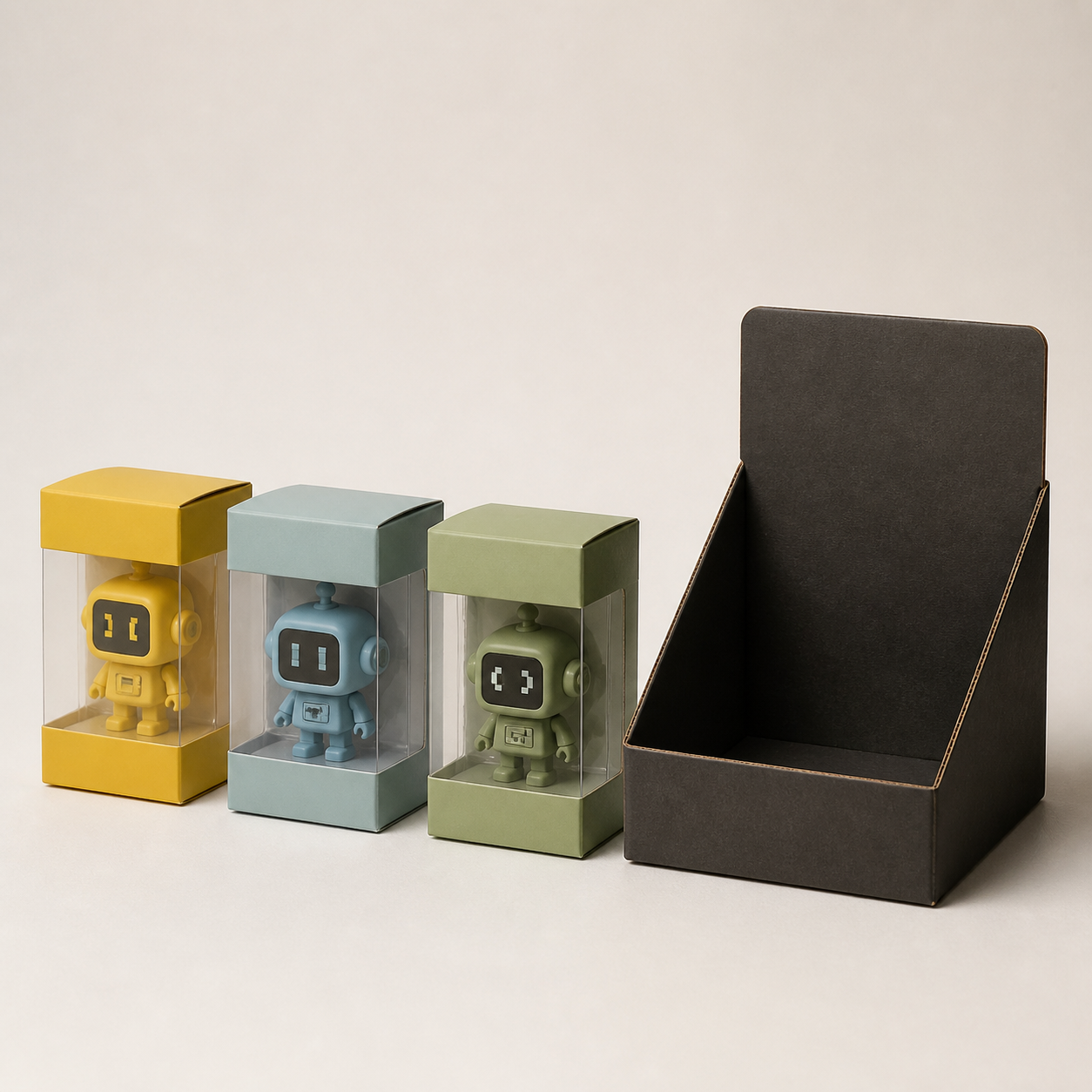
Use an assortment map that identifies each SKU, character, price role, pack format, display requirement, case quantity, barcode and expected replenishment position. This lets buying, design and supply teams review the same range rather than separate product lists.
- Request evidence that relates to the final SKU, not a generic catalogue item.
- Compare supplier assumptions on the same written brief.
- Retain approvals, sample photographs and source documents by SKU.
03 / Buyer action
Use approval gates and production controls
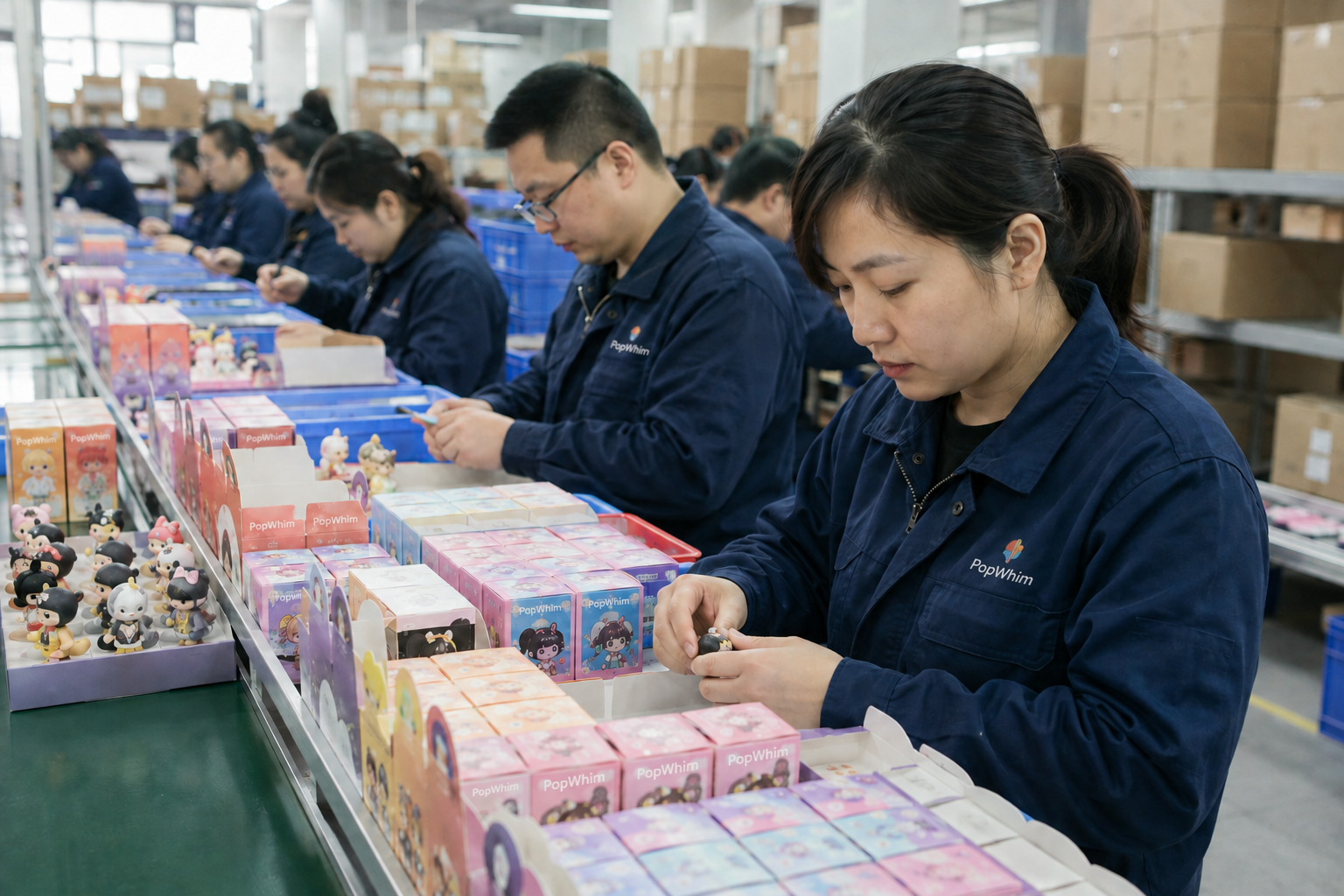
Lock names, identifiers, packaging hierarchy and approved character assets before bulk artwork. Verify full cases and display packs against the assortment map during shipment inspection. After launch, review sell-through by SKU and channel before deciding the next wave.
- Assign a clear owner for each approval and release decision.
- Record changes before they move to the next production stage.
- Use factory testing and inspection evidence to verify the approved reference.
04 / Buyer action
Manage the risks that change landed cost
Assortments become hard to manage when variants duplicate price and play value, rare editions are communicated unclearly, or pack data changes after sales materials are released. Protect the customer experience and the operations data with the same governance.
- Escalate unclear ownership, safety or material changes early.
- Keep packaging and carton decisions linked to the finished product.
- Document corrective actions before shipment release.
05 / Buyer action
Turn the first order into a repeatable process
A planned range creates better merchandising, simpler replenishment and stronger learning from the first launch. It also gives new characters and seasonal variants an established place to land.
- Review customer feedback and inspection findings after receipt.
- Preserve final SKU, carton and approval records for reorders.
- Use the completed order to improve the next range or production wave.
Buyer FAQ
Common questions about collectible toy assortment planning
Who should own collectible toy assortment planning decisions?
The buyer should assign commercial, product, rights, quality and shipment responsibilities explicitly. Suppliers can provide evidence and manufacturing input, while product-market obligations remain with the responsible business parties.
When should a buyer request a sample?
Request a sample after the brief is clear enough to evaluate the intended materials, finish, packaging and customer use. Treat each sample stage as a documented approval gate.
What should be checked before shipment?
Compare final goods, packaging, accessories, carton data and documents with the approved reference and purchase order, then close any agreed corrective actions before release.
External references
Official sources and further reading
Ready to act?