The direct answer
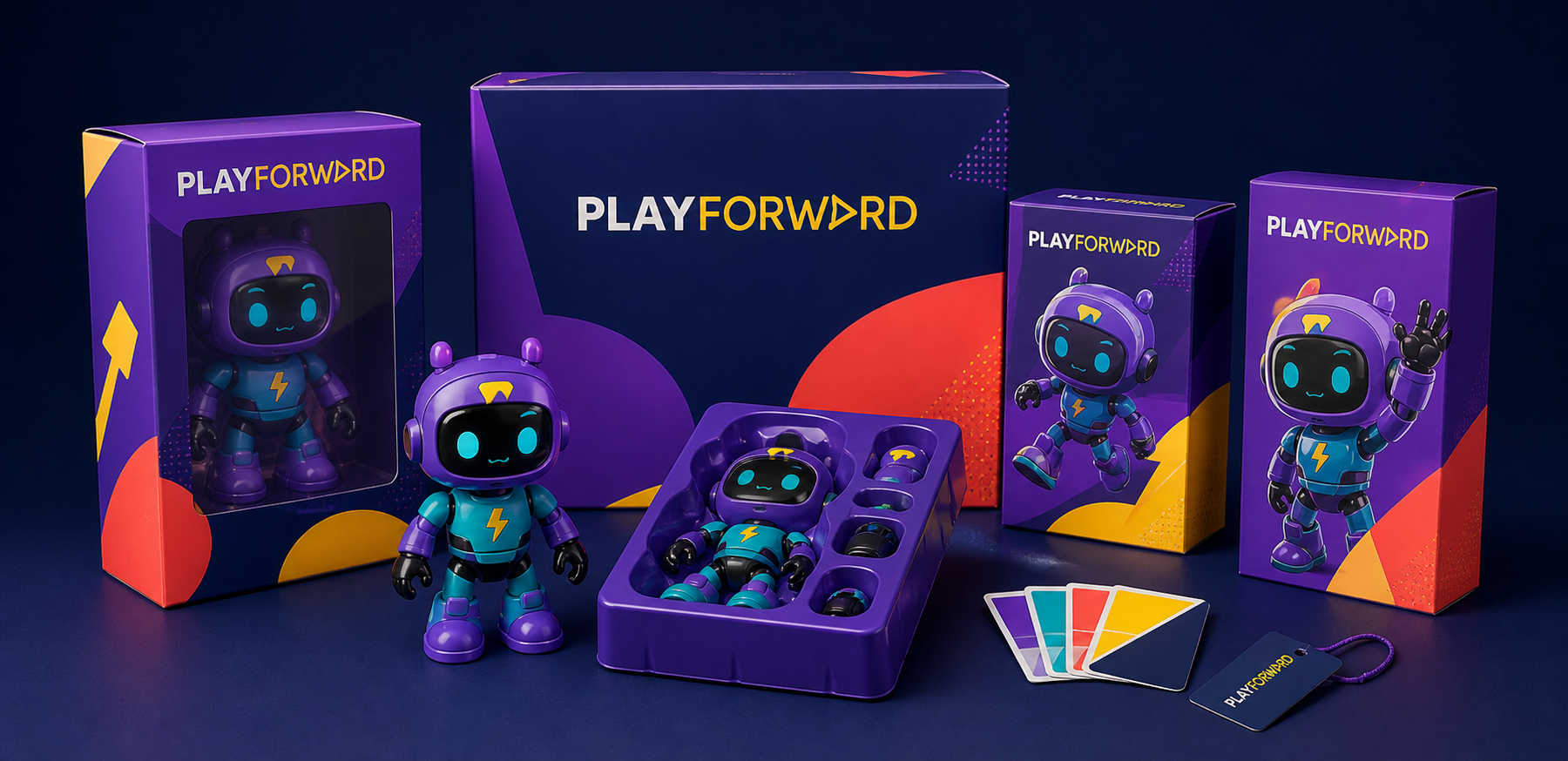
Collectibility is not created by adding more SKUs. It depends on a repeatable system that balances discovery with clarity. Buyers should plan the first wave, replenishment logic and next-wave story before approving the first pack design.
01 / Buyer action
Define the collection promise
The collection needs one simple idea that connects every item: a character world, play mission, visual rule or completion goal. If the concept cannot be explained quickly on shelf, variants may look like unrelated products.
- Write one consumer-facing sentence for the range.
- Define what makes each character recognizable.
- Decide what shoppers are collecting: characters, accessories, stories or formats.
02 / Buyer action
Build a practical price and SKU ladder
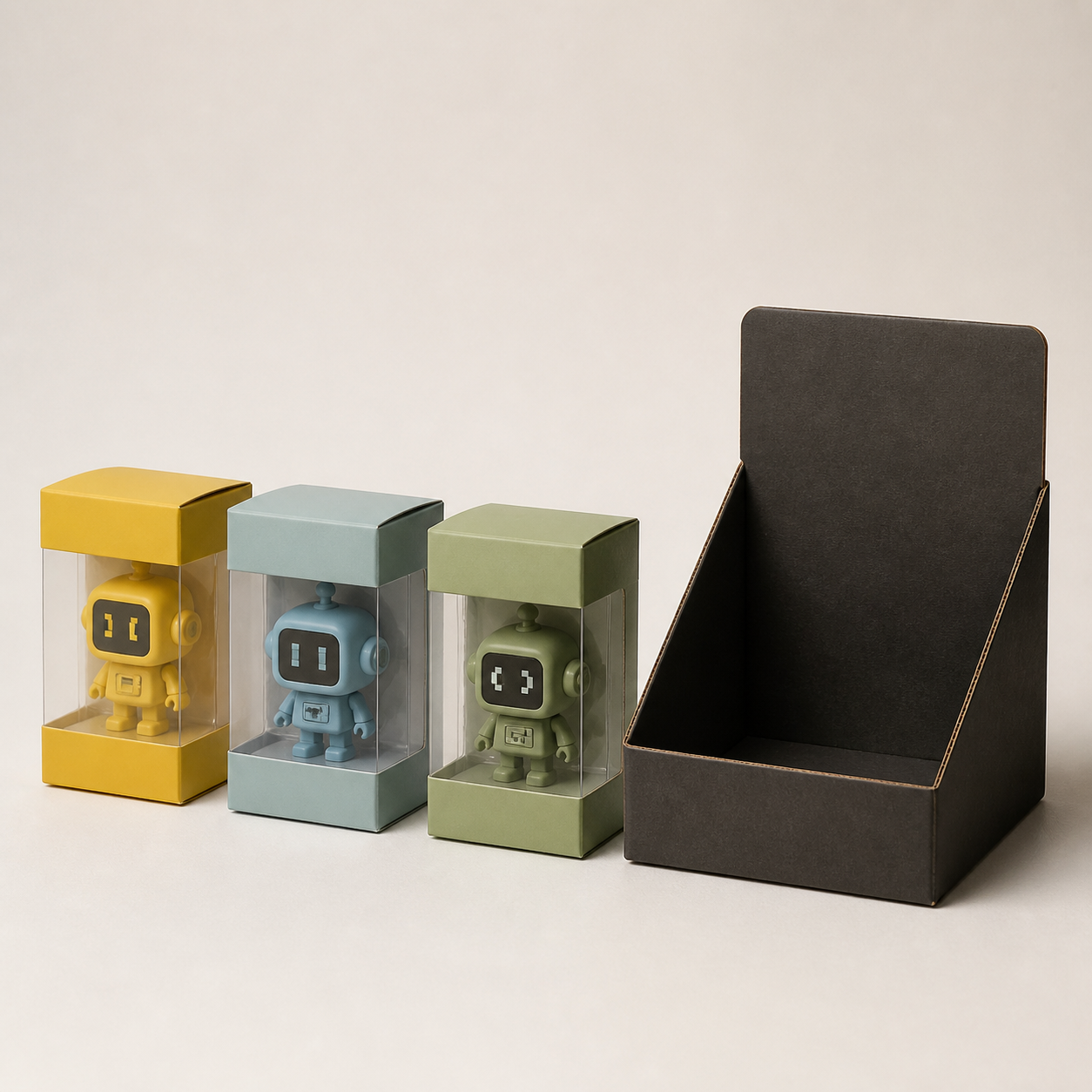
A strong assortment usually includes an accessible entry point, one or more higher-value hero items and refresh points. Each SKU should have a distinct commercial role rather than simply a different color.
- Map entry, core, premium and add-on roles.
- Avoid variants that duplicate price and play value.
- Check the range against shelf space and planned replenishment.
03 / Buyer action
Plan waves before the first launch
Future waves influence naming, packaging architecture, character codes and display logic. Buyers do not need to design every future SKU, but they should protect space for the collection to grow.
- Set a visual system that can survive new characters.
- Decide how limited variants will be communicated responsibly.
- Keep wave identifiers and SKU data organized for retail teams.
04 / Buyer action
Make packaging support discovery without obscuring choice
Packaging should show the collection world and give shoppers enough information to understand the product format. The right amount of surprise depends on the retailer, age group and customer expectations.
- Distinguish blind, visible and mixed assortments clearly.
- Show actual contents or probabilities only where appropriate and accurate.
- Build age guidance, warnings and barcode needs into the pack system.
05 / Buyer action
Review sell-through signals with the supplier
After launch, reorder decisions should distinguish core-character demand from one-off novelty. A supplier can prepare future production more effectively when the buyer shares which formats, packs and colors are working.
- Track by character, price point and channel where possible.
- Keep approved artwork and component records for reorders.
- Use customer feedback to improve the next wave rather than overproduce the first.
Buyer FAQ
Common questions about collectible toy assortment planning
How many SKUs should a first collectible toy wave have?
The right number depends on shelf space, price points and demand confidence. Start with enough variety to explain the world without creating unsupported inventory complexity.
Do blind boxes always increase repeat purchase?
Not automatically. The format must fit customer expectations, product value and transparent packaging communication.
What makes a collectible range retail-ready?
Clear assortment roles, recognizable characters, controlled packaging, accurate SKU data and a viable replenishment plan.
External references
Official sources and further reading
Ready to act?