The direct answer
Buyers often use the three terms interchangeably. In practice, the project should be defined by what is existing, what will change, who owns approvals and what documentation follows the final SKU. A clear model helps prevent incorrect assumptions at quotation and sample stage.
01 / Buyer action
Define the three models before requesting quotes
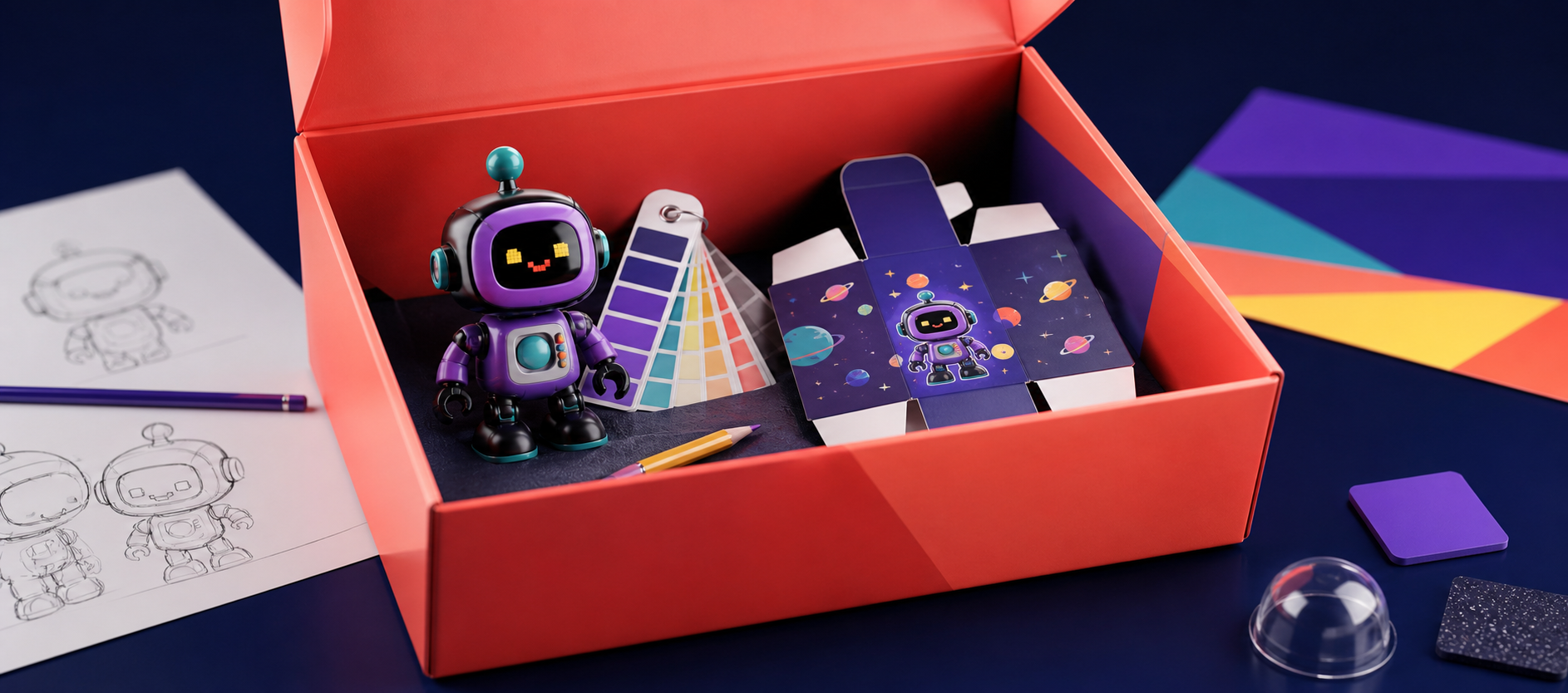
An OEM project commonly begins with a buyer-defined product or specification; an ODM project typically adapts an existing supplier platform; private label can range from branded stock packaging to a deeply customized range. The actual scope should be written, not inferred from the label.
- List what is existing: tooling, product architecture, artwork or packaging.
- List what the buyer will control: design, materials, colors, functions and brand assets.
- Document approvals, intellectual-property responsibilities and change control.
02 / Buyer action
Choose ODM when speed matters more than uniqueness
ODM can be efficient when a buyer wants a proven product format with defined customization. It still requires review of market suitability, age guidance, packaging, materials and documentation for the final version.
- Request the base specification and sample before committing.
- Define allowed and restricted modifications.
- Check whether the supplier’s existing test evidence matches your final product.
03 / Buyer action
Choose OEM when product control is commercially important
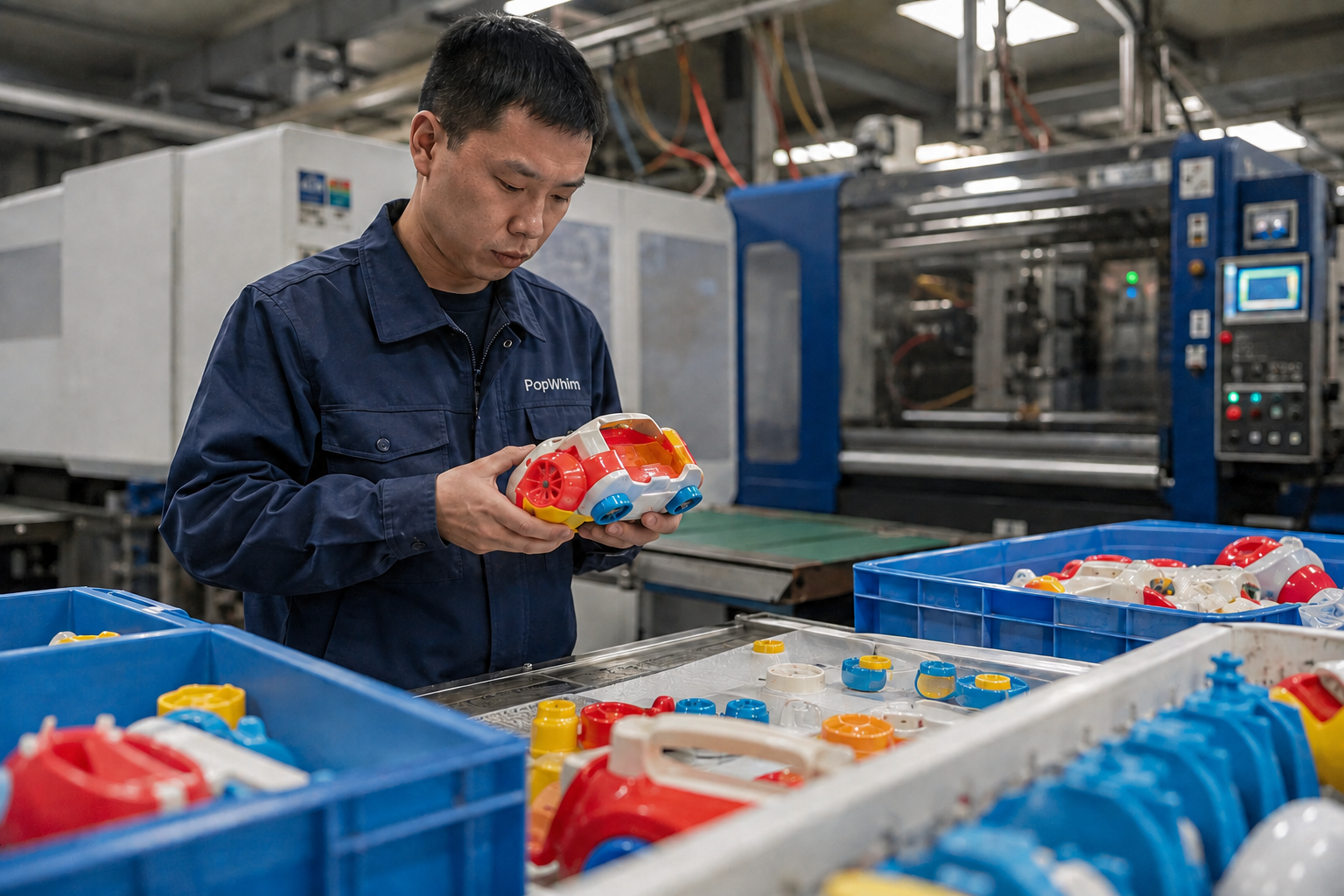
OEM is more suitable when the product itself is a differentiator: a unique character, function, component set or retail platform. It generally needs more detailed briefs, sample cycles and technical decisions.
- Budget for development, tooling and additional approval time.
- Use a controlled technical specification from the first sample.
- Plan how design changes are evaluated after tooling starts.
04 / Buyer action
Treat private label as a range and brand system
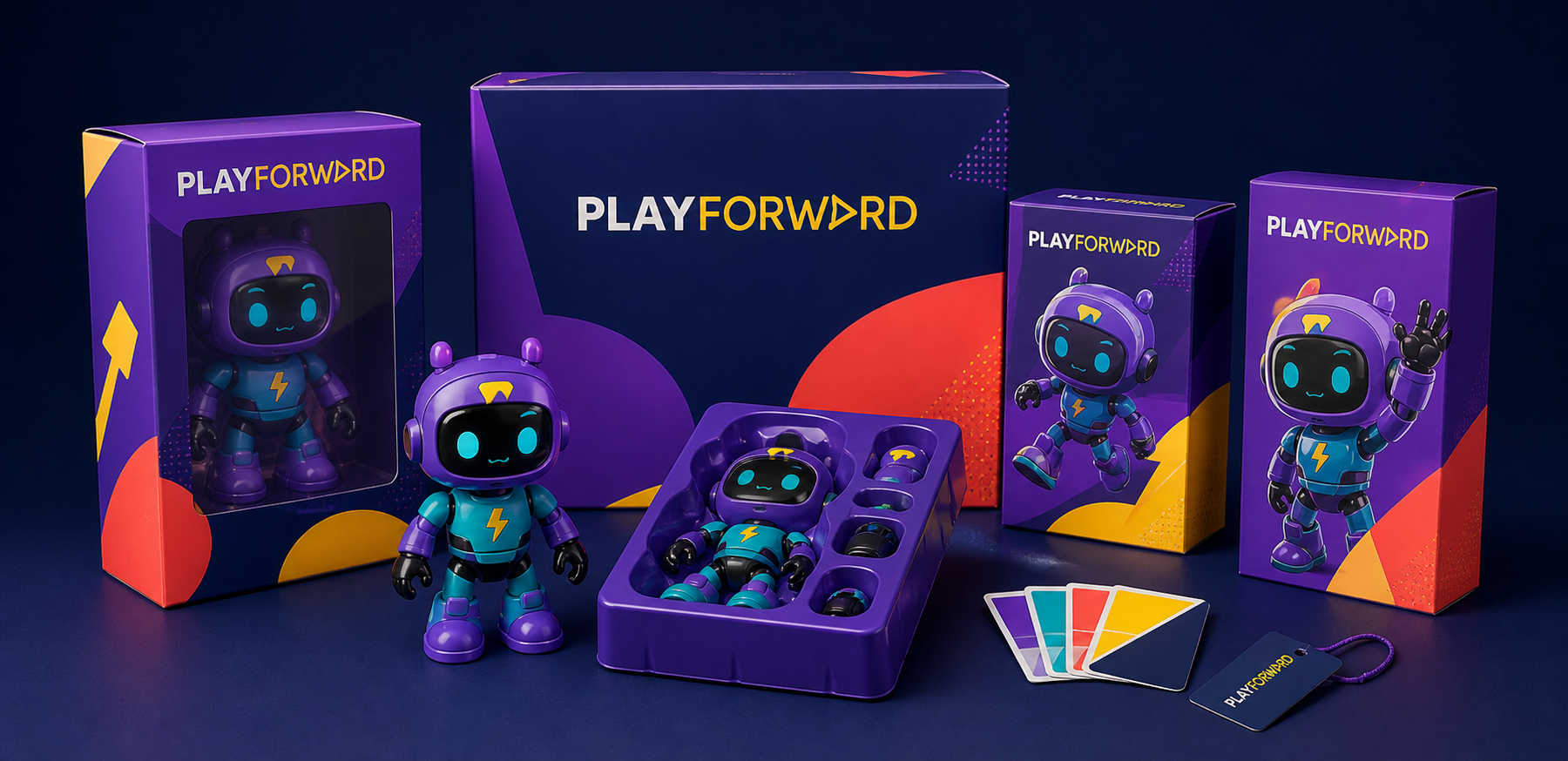
Private label becomes valuable when product, packaging and retail communication work together. A label on a stock item may be a starting point; a repeatable private-label range needs brand blocking, assortment logic, warnings and category consistency.
- Define the range architecture before finalizing one hero SKU.
- Set rules for names, palettes, pack hierarchy and age guidance.
- Make sure barcode, carton and display needs are included in the brief.
05 / Buyer action
Use one decision checklist for every model
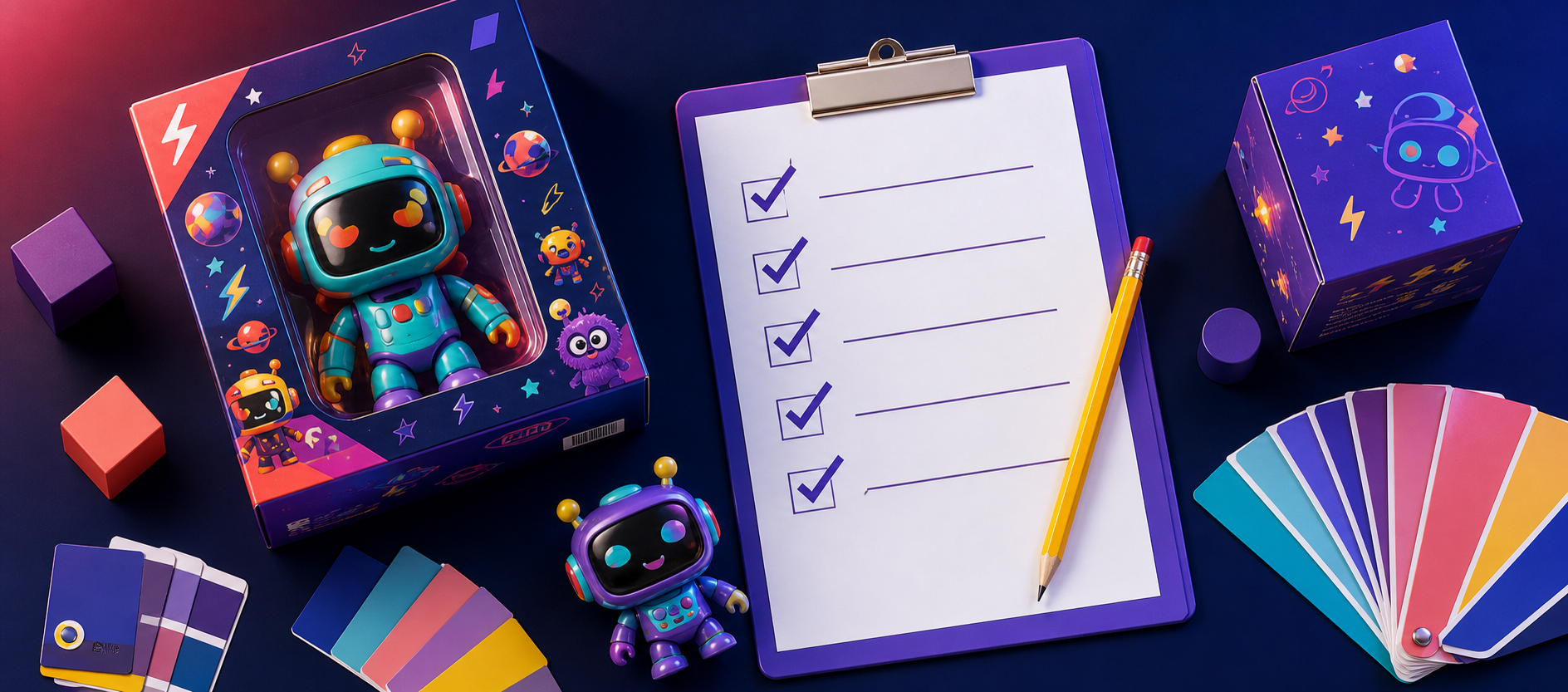
Regardless of the model, buyers should validate the final SKU, sample approvals, applicable market requirements, ownership of artwork and tooling, production checks and shipment release process.
- Ask what changes require new approval or testing review.
- Keep supplier quotations tied to a controlled revision.
- Do not rely on verbal assumptions about exclusivity or ownership.
Buyer FAQ
Common questions about OEM vs ODM toys
Is private label the same as OEM?
Not always. Private label describes branding and commercial positioning, while OEM commonly describes the level of buyer-defined product development. A project can involve both.
Is ODM lower quality than OEM?
No. Quality depends on the final specification, supplier controls, sample approval and inspection—not the label used for the sourcing model.
Which model is best for a first toy range?
A limited ODM or light private-label adaptation can reduce development risk, while a clearly differentiated product may justify an OEM route.
External references
Official sources and further reading
Ready to act?