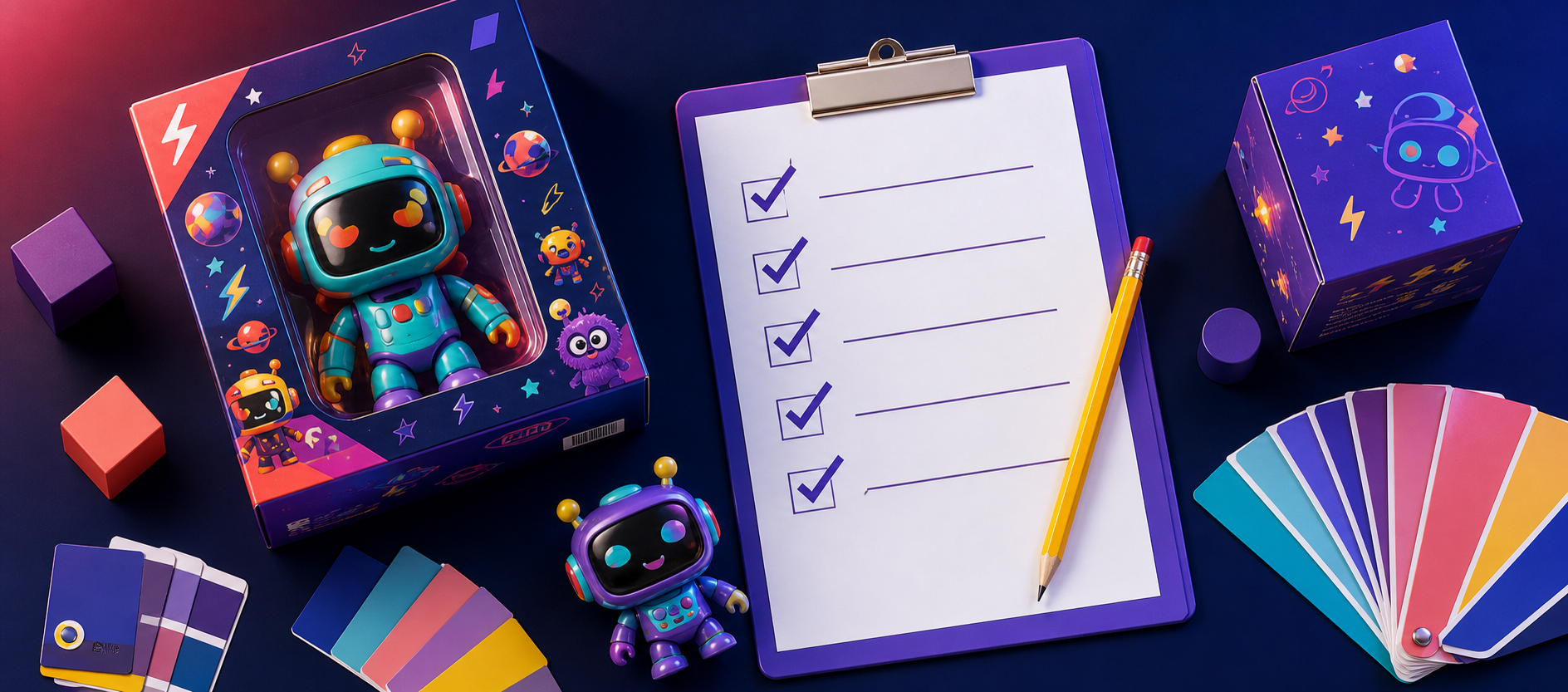
The direct answer
The strongest private-label launches are designed as a decision process, not a chain of emails. Each stage should answer a practical question: what is being sold, what must the factory build, what is approved, what can change, and who verifies the goods before shipment.
01 / Buyer action
Turn the commercial idea into a usable product brief
A factory needs more than an inspiration image. It needs the target customer, price point, age grade, intended play, product contents, materials, visual direction, packaging format, target market and desired launch date.
- Separate non-negotiable requirements from open design choices.
- Include reference images with notes about what must and must not be copied.
- State the intended retail channel and display environment.
02 / Buyer action
Create a specification that can be inspected
A product specification converts creative intent into observable acceptance criteria. It should make dimensions, materials, colors, decoration, assembly, functions, accessories, packaging and carton requirements clear enough for sampling and inspection.
- Use revision-controlled drawings, color references and component lists.
- Define functional checks for electronics, movement or assembly.
- Include packaging copy, warning areas, barcodes and pack-out.
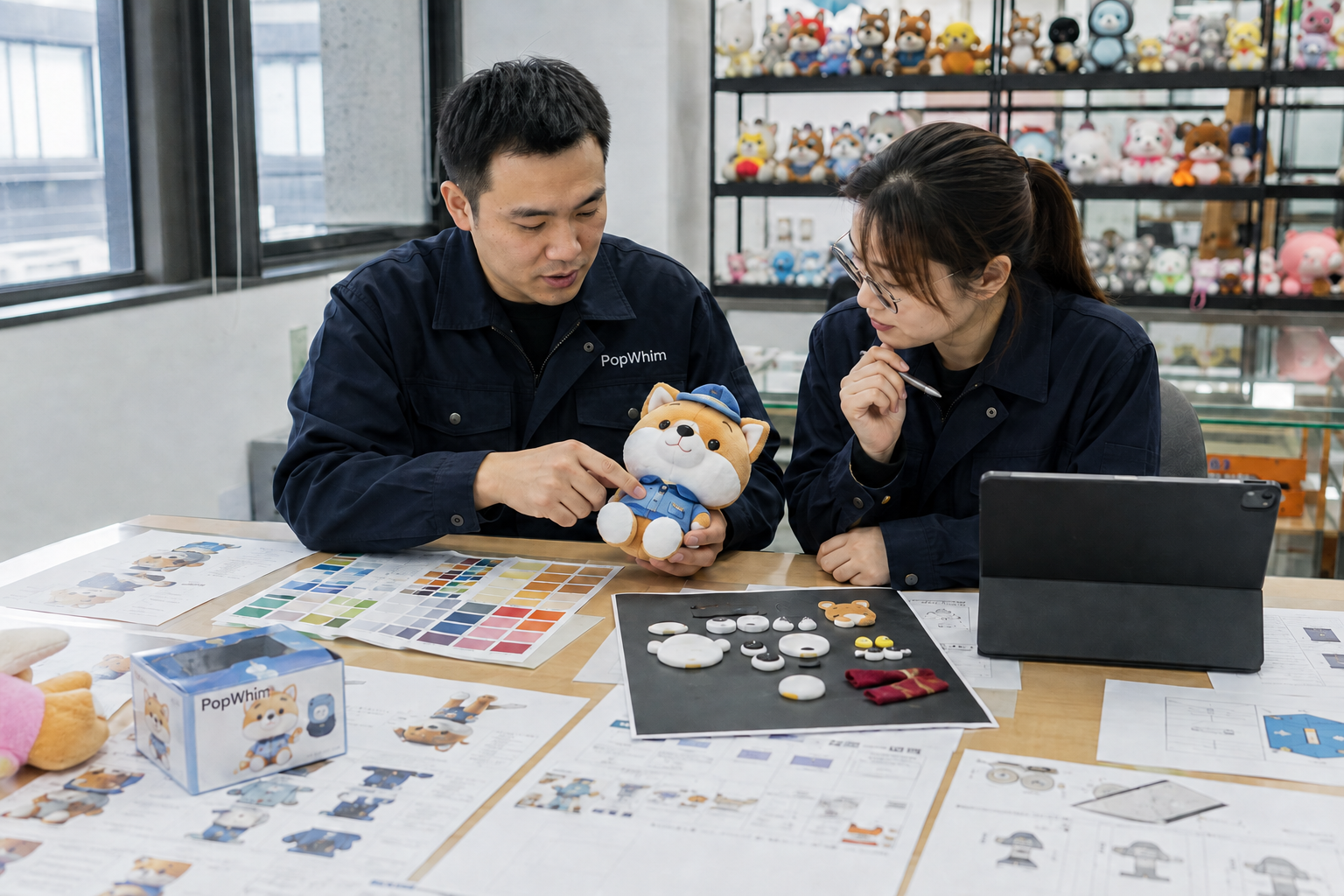
03 / Buyer action
Use sample rounds as approval gates
Concept, engineering, pre-production and production samples serve different purposes. Do not collapse every decision into one approval. Track feedback against the correct sample stage and close actions before the next gate.
- Record changes with photos, dates and a single owner.
- Approve product and packaging together where they affect each other.
- Retain a signed reference for production comparison.
04 / Buyer action
Plan testing and production in parallel
When materials, age grade or features change late, testing assumptions may change as well. A product compliance matrix lets the buyer, supplier and laboratory see the final configuration they are reviewing.
- Confirm market assumptions before test samples are selected.
- Check artwork for warnings, traceability and instructions.
- Use an escalation path for material or component substitutions.
05 / Buyer action
Release goods using documented inspection criteria
Shipment inspection should verify the approved product, packaging and carton configuration rather than rely on a general visual impression. The buyer and supplier need aligned critical defects, sample size, evidence format and release authority.
- Inspect workmanship, functions, components, pack-out and carton marks.
- Compare production units against the approved reference sample.
- Document corrective actions before loading is authorized.
Buyer FAQ
Common questions about private label toy development process
How long does private-label toy development take?
Timing depends on product complexity, tooling, sample rounds, testing scope, packaging and order quantity. Build the timeline from approval gates, not a generic lead-time promise.
What is the most important document in toy development?
The product brief starts the project, but the controlled specification and approved sample are what make production and inspection repeatable.
When should packaging be developed?
Develop it alongside the product. Warnings, instructions, pack dimensions, inserts and display needs can affect both compliance planning and logistics.
External references
Official sources and further reading
Ready to act?