The direct answer
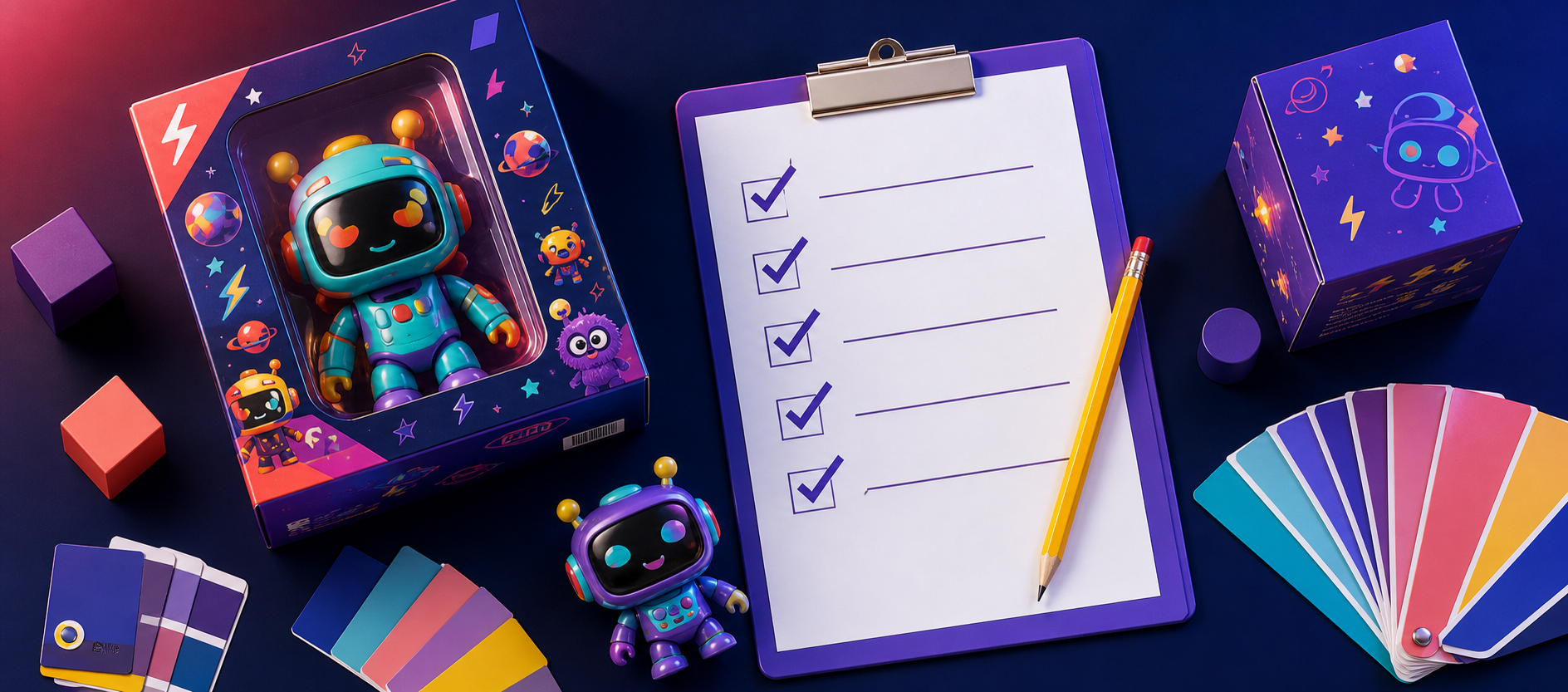
A strong brief does not need to solve every design question. It does need to distinguish fixed requirements from areas where the supplier is being asked to propose options. That clarity reduces inaccurate pricing and unproductive sample rounds.
01 / Buyer action
Describe the commercial job of the product
Start with the buyer, retail channel, target price, intended age and reason the toy should be chosen. These inputs guide product scale, feature choices, packaging hierarchy and range position.
- State the consumer and retailer context in one paragraph.
- Define the target price as a range and name the expected channel.
- Explain whether the item is a hero SKU, add-on or collectible extension.
02 / Buyer action
Specify the product in observable terms
Reference images are helpful, but the brief must identify product contents, dimensions, materials, functions, colors, decorations, accessories and expected play sequence. Include what is mandatory and what is illustrative.
- Use a numbered image board with notes.
- Call out features that affect tooling or assembly.
- List all supplied and factory-sourced components.

03 / Buyer action
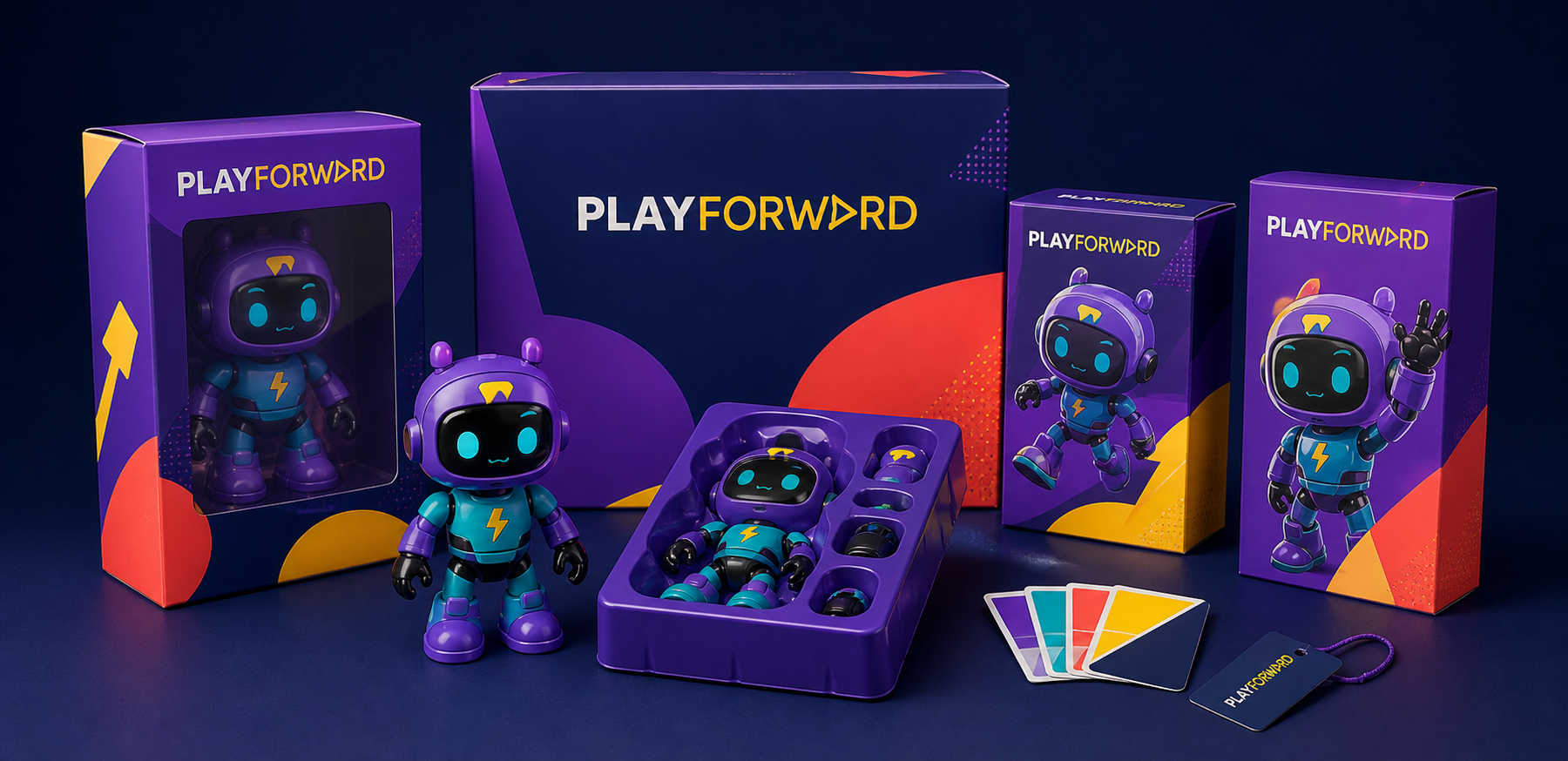
Set the packaging and brand direction
Packaging should be part of the request for quotation because structure, inserts, printing and copy requirements affect cost and manufacturing choices. A factory needs the intended format, not necessarily final artwork.
- State box, blister, bag or display format preferences.
- Provide brand assets and any non-negotiable visual rules.
- Reserve space for required warnings, labels and barcode data.
04 / Buyer action
Include the market and compliance context
The target market, age grade and product features influence the questions that must be reviewed during development. This is information for planning, not a substitute for a product-specific compliance decision.
- List destination markets and intended sale channels.
- Identify materials and functions that need early discussion.
- Ask who will review documentation, warnings and test scope.
05 / Buyer action
Define the approval route
A supplier can respond faster when it knows which decisions the buyer will make at concept, sample, packaging proof and pre-production stages. Set expected outputs and owners for each gate.
- Name the decision maker for product and artwork feedback.
- Set response windows and revision-control rules.
- Define the evidence needed before production release.
Buyer FAQ
Common questions about toy product brief template
What is the minimum information needed for a toy quote?
At minimum: product reference, estimated quantity, target market, packaging intent, target price or range, timing and the level of customization required.
Can a factory help complete my toy brief?
Yes. A capable supplier can identify missing technical inputs and propose options, but the buyer should retain ownership of commercial and brand decisions.
Should I include compliance in a product brief?
Yes. Include the sales market, age grade and product features so testing and documentation discussions can begin early.
External references
Official sources and further reading
Ready to act?