The direct answer
Quality control for collectible toys should protect the details that buyers and collectors notice first: sculpt, paint boundaries, part fit, accessory count, packaging condition and product identity. The process starts with a controlled golden sample and ends with evidence-based shipment release.
01 / Buyer action
Start with the commercial brief
Classify critical-to-quality points before production. A cosmetic mark on a hidden base and a paint error on a character face do not have the same customer impact, so they should not receive the same inspection priority.
- Set the customer, channel, target price and decision owner.
- Write the non-negotiable requirements before requesting quotes.
- Keep product, packaging and market assumptions in one revision-controlled brief.
02 / Buyer action
Collect evidence before committing
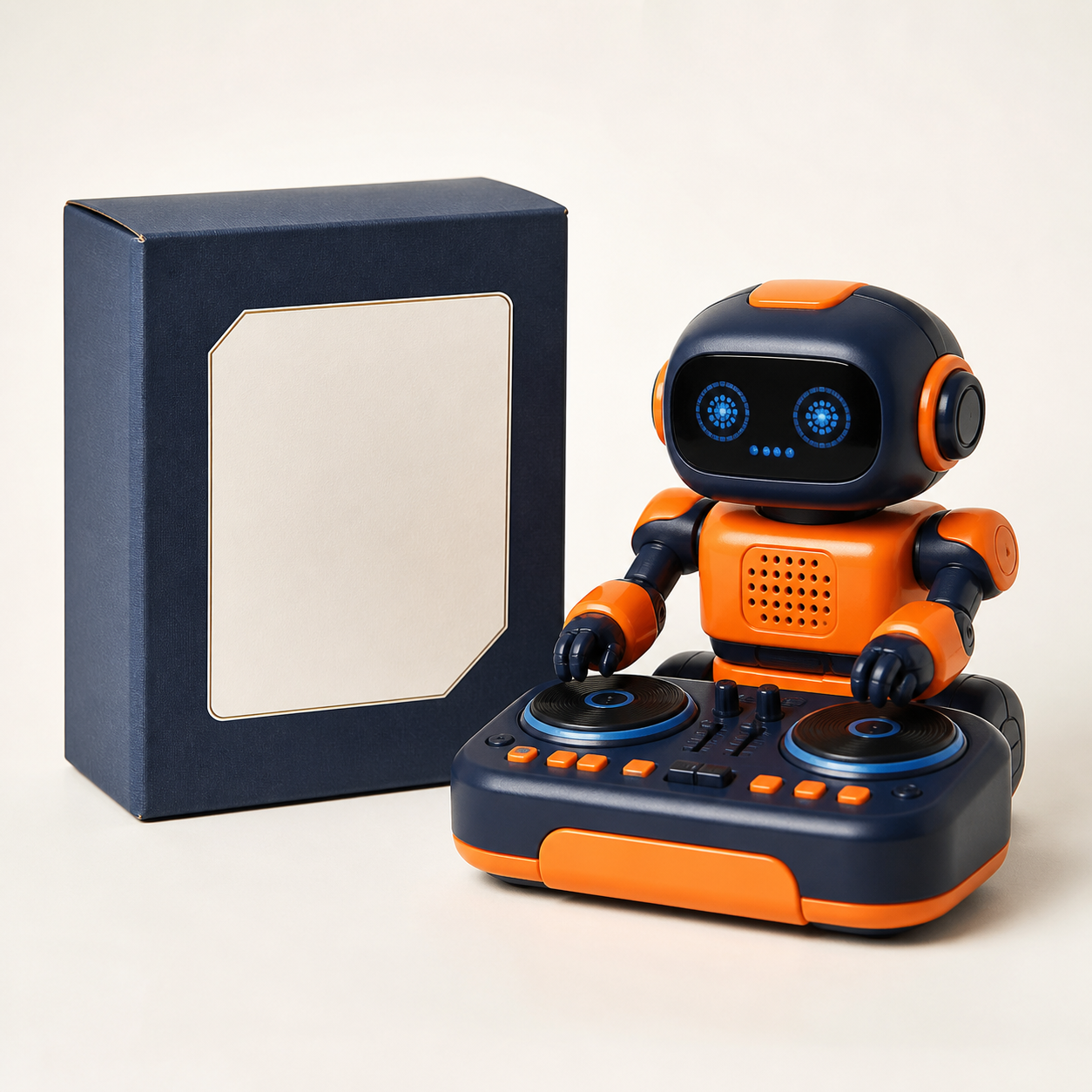
The approved reference should include the finished product, all accessories, retail packaging, labels and accepted deviations. Inspection criteria should use photos and clear wording so the buyer, factory and third-party inspector can identify the same defect consistently.
- Request evidence that relates to the final SKU, not a generic catalogue item.
- Compare supplier assumptions on the same written brief.
- Retain approvals, sample photographs and source documents by SKU.
03 / Buyer action
Use approval gates and production controls
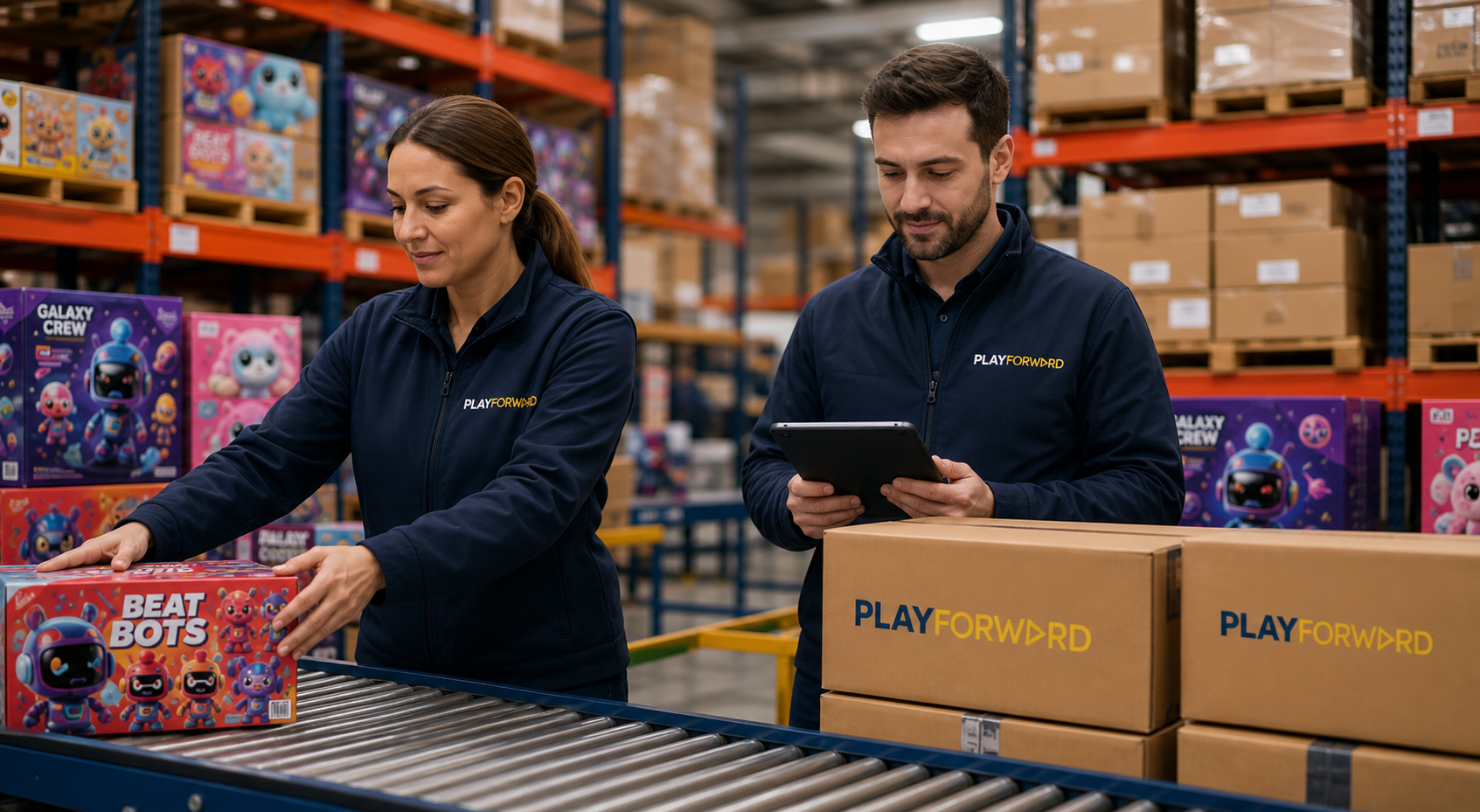
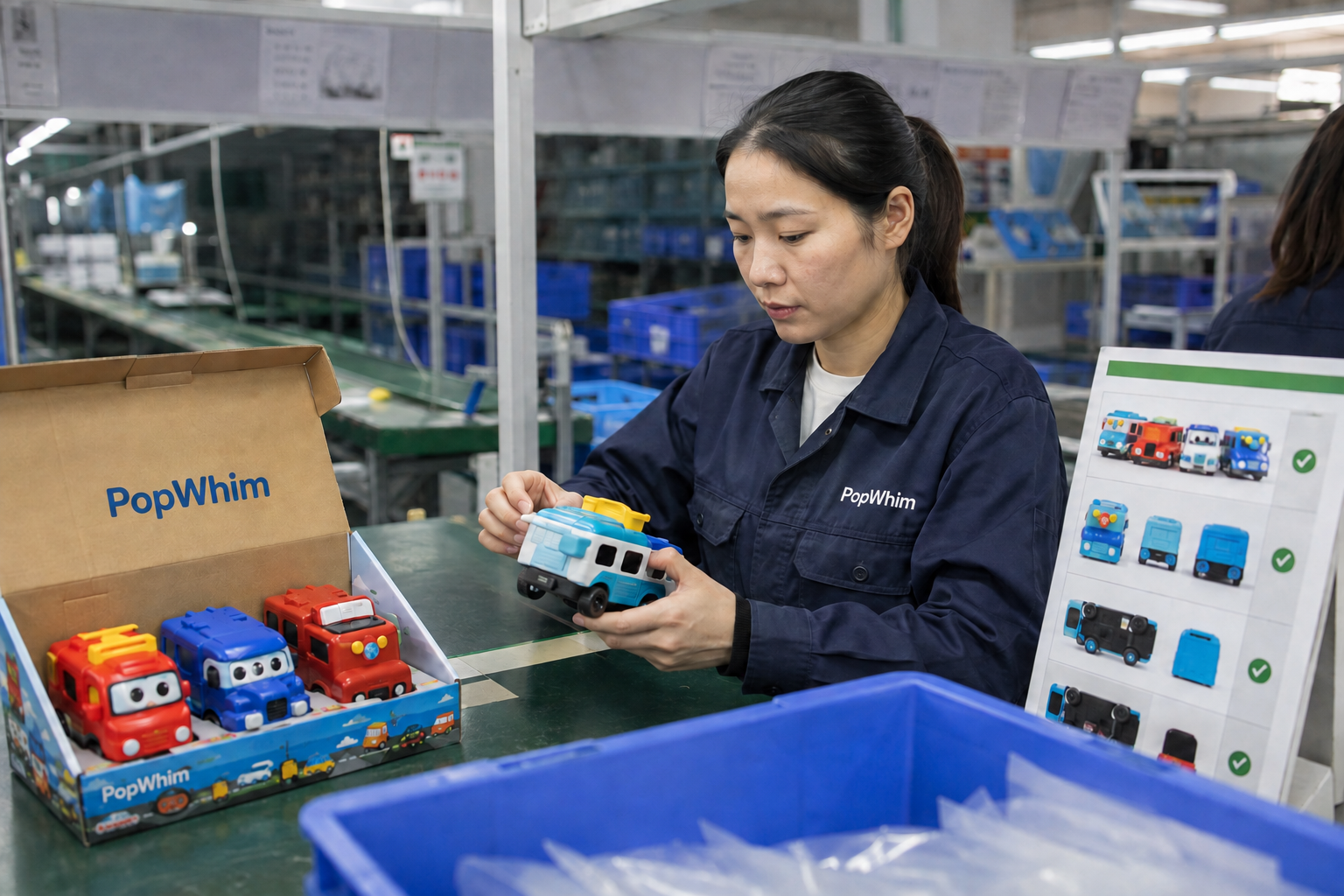
Plan pre-production confirmation, first-off checks, in-process review, final random inspection and carton verification. Compare multiple units across the production run, not only the first sample. Confirm that rework is complete before a container or courier pickup is released.
- Assign a clear owner for each approval and release decision.
- Record changes before they move to the next production stage.
- Use factory testing and inspection evidence to verify the approved reference.
04 / Buyer action
Manage the risks that change landed cost
Common failures include uncontrolled material substitutions, paint rub that appears only after packing, mixed accessories, incorrect labels and cartons that do not match the packing list. Each one is easier to resolve before the shipment moves.
- Escalate unclear ownership, safety or material changes early.
- Keep packaging and carton decisions linked to the finished product.
- Document corrective actions before shipment release.
05 / Buyer action
Turn the first order into a repeatable process
An effective QC plan gives buyers a transparent release decision and gives the factory a repeatable target for future orders. It is a commercial control, not merely a photo-reporting task.
- Review customer feedback and inspection findings after receipt.
- Preserve final SKU, carton and approval records for reorders.
- Use the completed order to improve the next range or production wave.
Buyer FAQ
Common questions about collectible toy quality control
Who should own collectible toy quality control decisions?
The buyer should assign commercial, product, rights, quality and shipment responsibilities explicitly. Suppliers can provide evidence and manufacturing input, while product-market obligations remain with the responsible business parties.
When should a buyer request a sample?
Request a sample after the brief is clear enough to evaluate the intended materials, finish, packaging and customer use. Treat each sample stage as a documented approval gate.
What should be checked before shipment?
Compare final goods, packaging, accessories, carton data and documents with the approved reference and purchase order, then close any agreed corrective actions before release.
External references
Official sources and further reading
Ready to act?