The direct answer
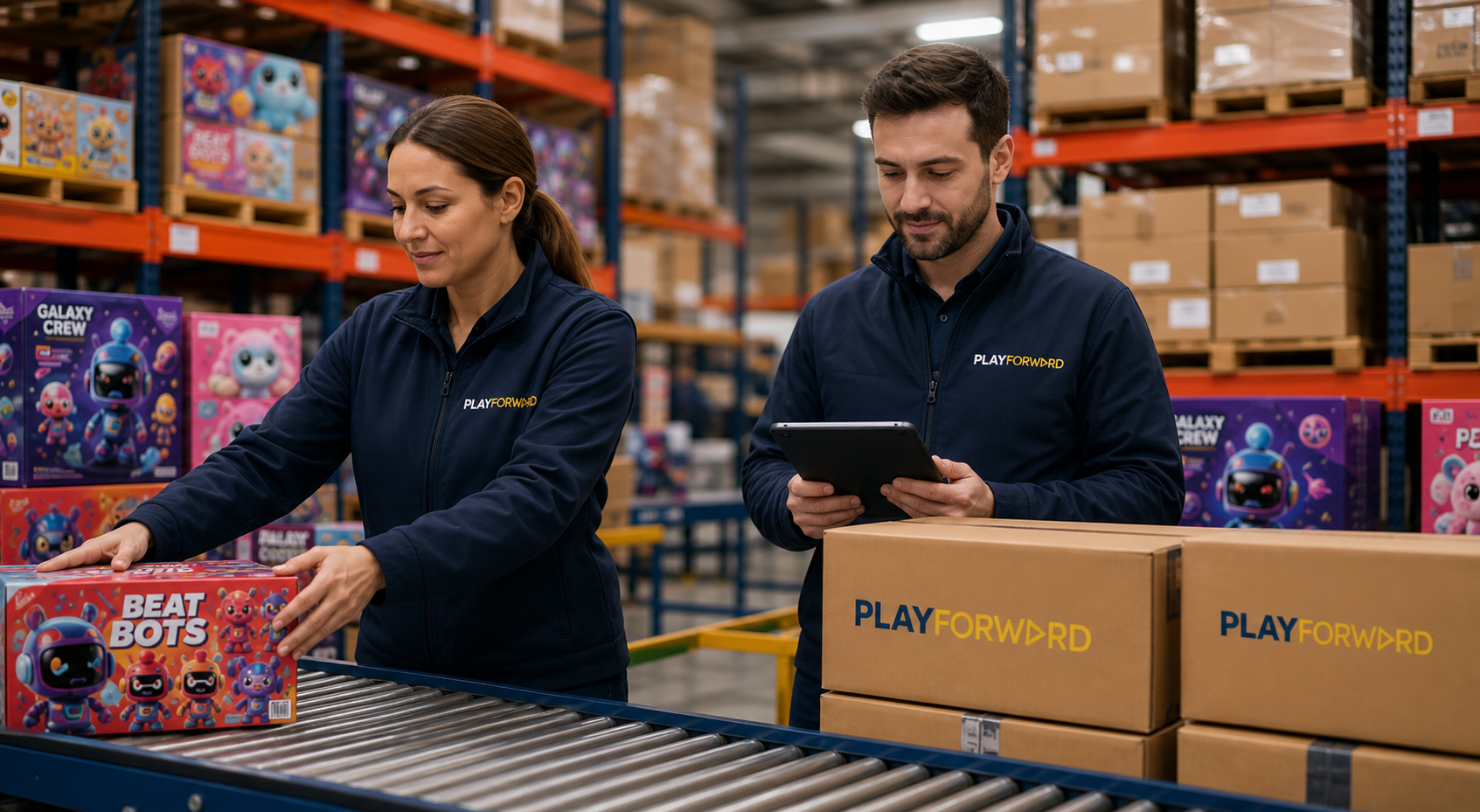
Importing collectible toys from China requires a documented handoff from approved production to freight, customs and warehouse receipt. The buyer should align the final product, product-market responsibilities, carton data, commercial documents and shipment-release evidence before booking transport.
01 / Buyer action
Start with the commercial brief
Treat freight as the final operational handoff, not proof that the product is ready for the market. The final SKU, packaging, rights, inspection evidence and documents need their own review before goods are loaded.
- Set the customer, channel, target price and decision owner.
- Write the non-negotiable requirements before requesting quotes.
- Keep product, packaging and market assumptions in one revision-controlled brief.
02 / Buyer action
Collect evidence before committing
Use the final packed order to confirm purchase-order quantities, accessory count, carton measurement, gross and net weight, carton marks and commercial descriptions. Keep inspection records and product documentation linked to the exact SKU and market assumptions.
- Request evidence that relates to the final SKU, not a generic catalogue item.
- Compare supplier assumptions on the same written brief.
- Retain approvals, sample photographs and source documents by SKU.
03 / Buyer action
Use approval gates and production controls
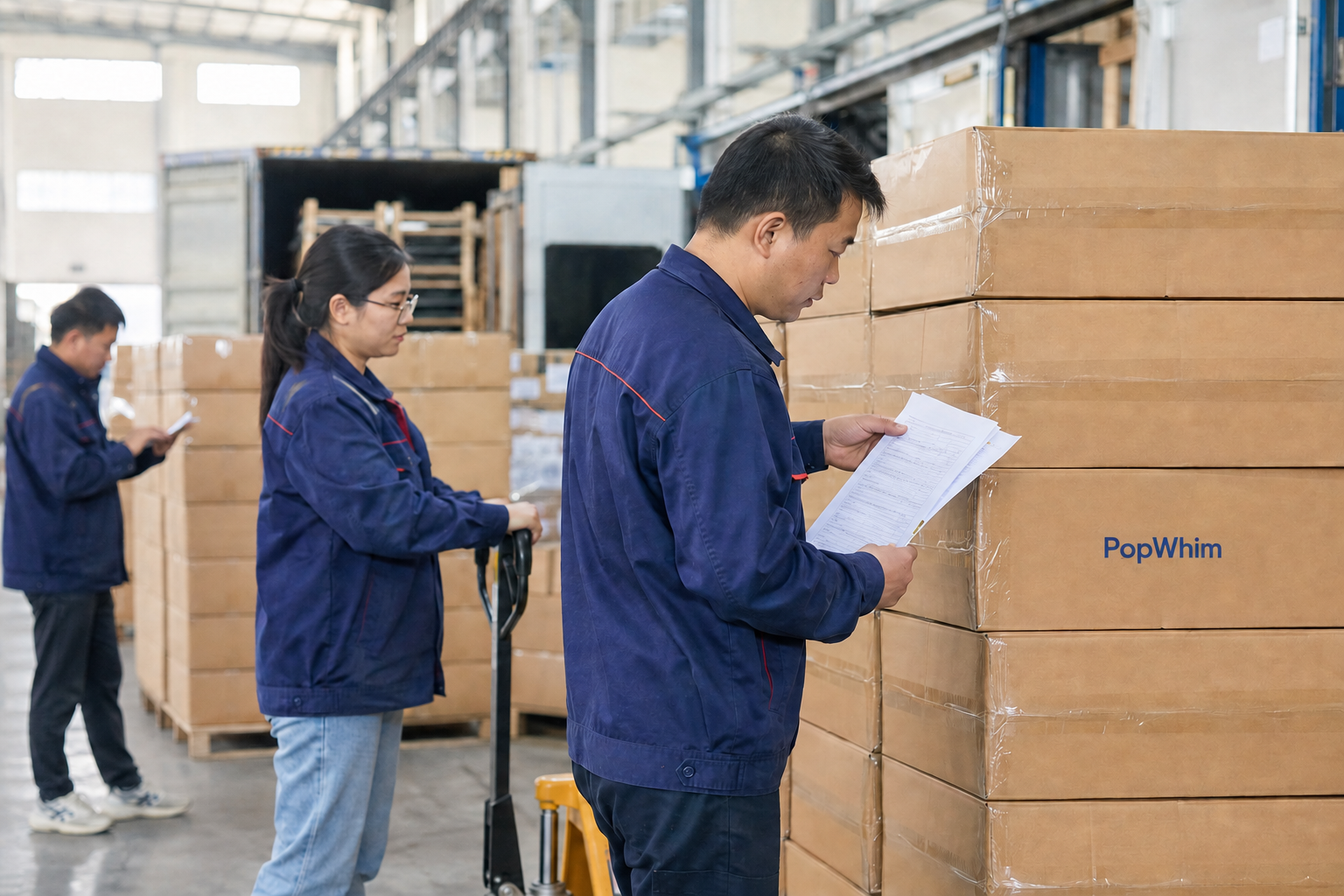
Set a pre-shipment release gate for final inspection, corrective-action closure and packing-list reconciliation. Confirm who books freight, who receives documents and who is responsible for market-specific requirements. At receiving, record carton condition before unpacking.
- Assign a clear owner for each approval and release decision.
- Record changes before they move to the next production stage.
- Use factory testing and inspection evidence to verify the approved reference.
04 / Buyer action
Manage the risks that change landed cost
The biggest errors are relying on estimated carton data, treating a forwarder as a compliance approver, separating packaging changes from the product record, and failing to collect damage evidence at delivery. Those gaps are difficult to resolve once goods are in transit.
- Escalate unclear ownership, safety or material changes early.
- Keep packaging and carton decisions linked to the finished product.
- Document corrective actions before shipment release.
05 / Buyer action
Turn the first order into a repeatable process
A controlled shipment process protects cash flow, customer commitments and future reorder decisions. It also creates the records needed for claims, corrective actions and more accurate next-order planning.
- Review customer feedback and inspection findings after receipt.
- Preserve final SKU, carton and approval records for reorders.
- Use the completed order to improve the next range or production wave.
Buyer FAQ
Common questions about importing collectible toys from China
Who should own importing collectible toys from China decisions?
The buyer should assign commercial, product, rights, quality and shipment responsibilities explicitly. Suppliers can provide evidence and manufacturing input, while product-market obligations remain with the responsible business parties.
When should a buyer request a sample?
Request a sample after the brief is clear enough to evaluate the intended materials, finish, packaging and customer use. Treat each sample stage as a documented approval gate.
What should be checked before shipment?
Compare final goods, packaging, accessories, carton data and documents with the approved reference and purchase order, then close any agreed corrective actions before release.
External references
Official sources and further reading
Ready to act?