The direct answer
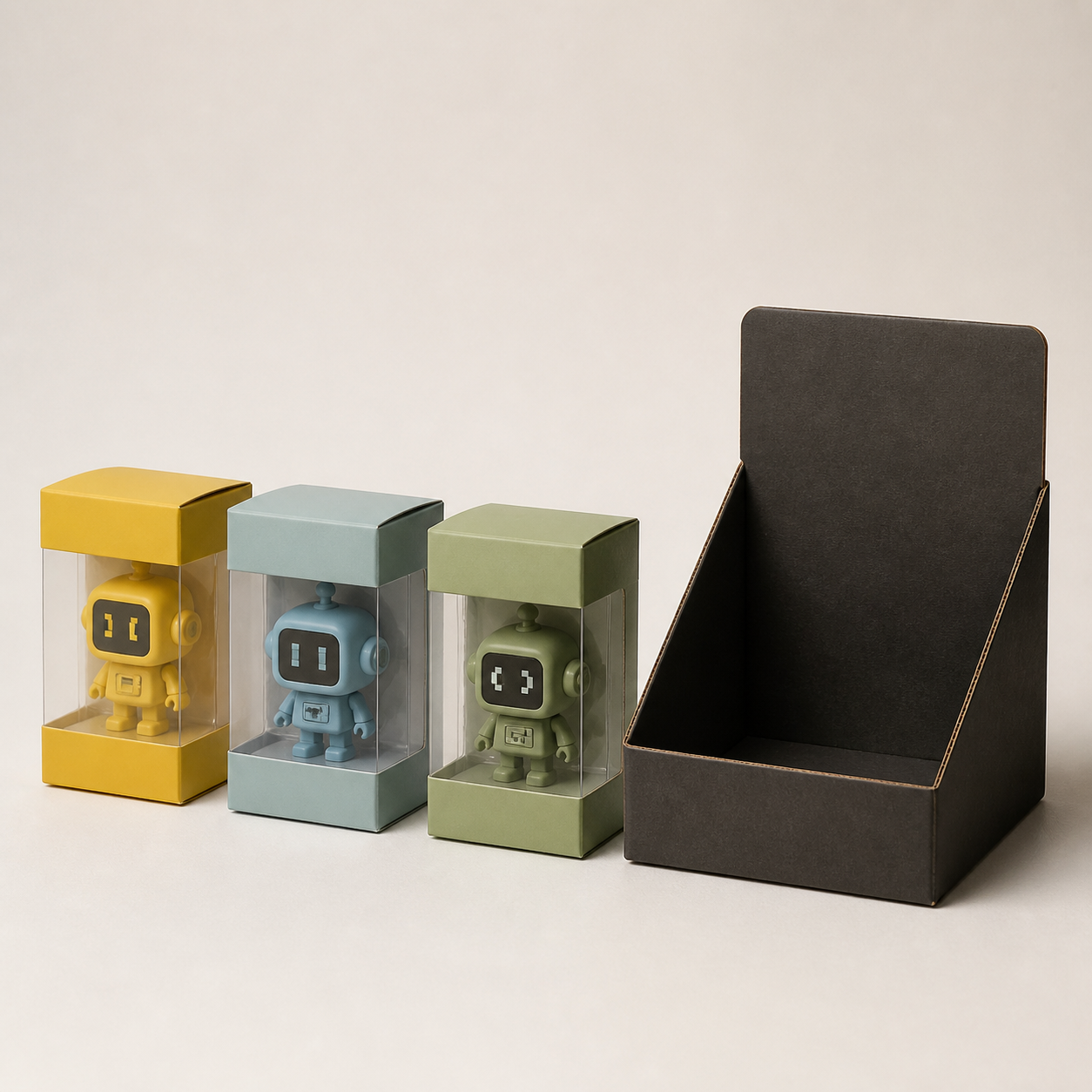
Soft vinyl, PVC and resin can create very different collectible experiences. The right route is the one that fits the sculpt, intended finish, order quantity, handling pattern, packaging and quality-control capability—not the material label that sounds most premium.
01 / Buyer action
Start with the commercial brief
Begin with the finished-object requirements: softness or rigidity, seam tolerance, part count, intended color and finish, balance, accessory interfaces and transport risk. A supplier should explain the production consequences of those choices before promising a final price or lead time.
- Set the customer, channel, target price and decision owner.
- Write the non-negotiable requirements before requesting quotes.
- Keep product, packaging and market assumptions in one revision-controlled brief.
02 / Buyer action
Collect evidence before committing
Ask for samples or comparable examples that show parting lines, surface texture, paint boundaries, deformation risk, fitted components and packaging protection. The sample should show the actual proposed material combination and finish; a visually similar item made by another process is not enough evidence.
- Request evidence that relates to the final SKU, not a generic catalogue item.
- Compare supplier assumptions on the same written brief.
- Retain approvals, sample photographs and source documents by SKU.
03 / Buyer action
Use approval gates and production controls
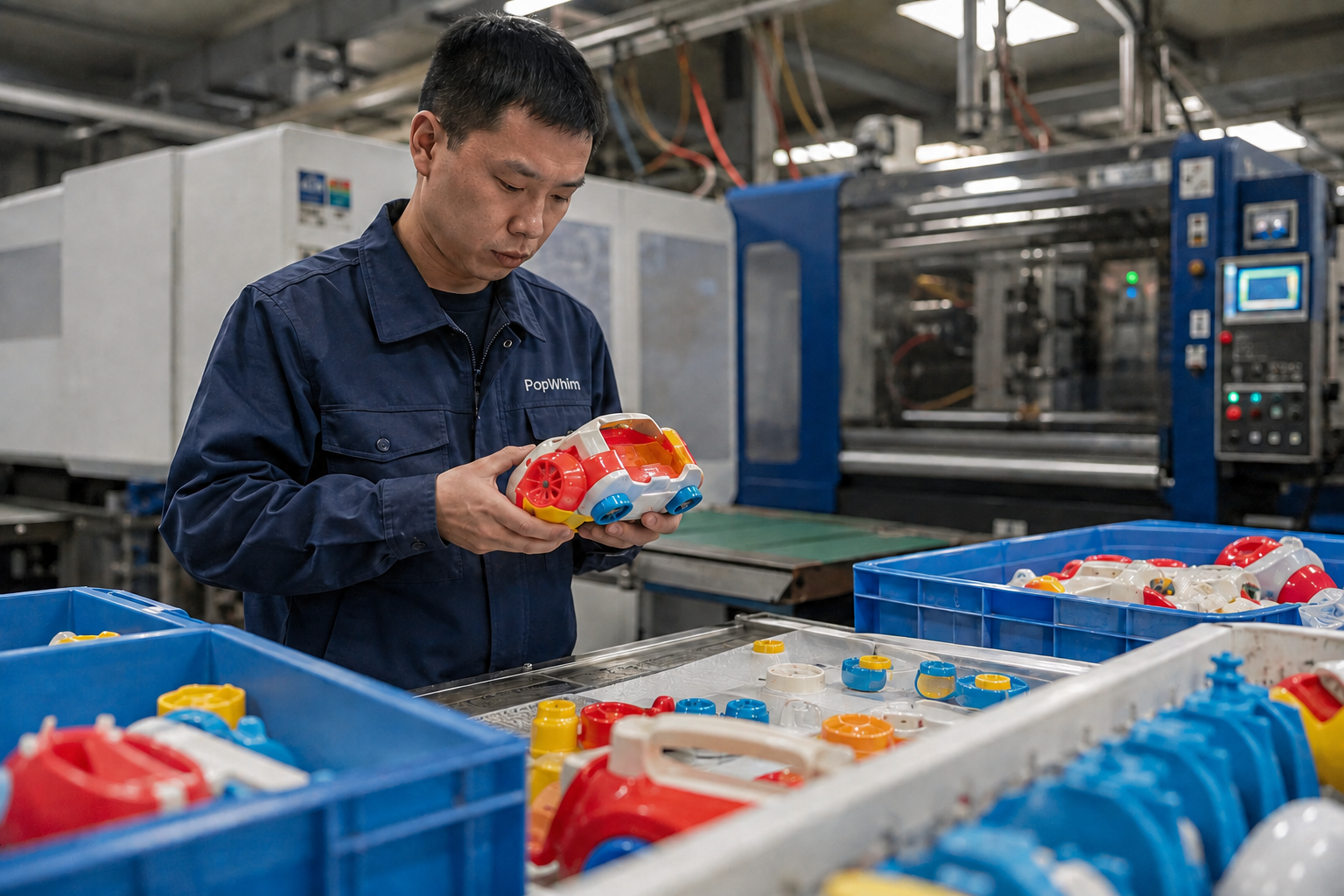
Freeze material, color and finish requirements in the specification. During factory testing, inspect units from across the run for color variation, deformation, paint rub and fit. Hold a signed reference sample for final inspection and supplier training.
- Assign a clear owner for each approval and release decision.
- Record changes before they move to the next production stage.
- Use factory testing and inspection evidence to verify the approved reference.
04 / Buyer action
Manage the risks that change landed cost
The most common production mistakes are choosing a process before the sculpt is engineered, treating a first sample as proof of mass-production repeatability, and packaging painted surfaces so they rub in transit. Define the weak points before the pack-out is approved.
- Escalate unclear ownership, safety or material changes early.
- Keep packaging and carton decisions linked to the finished product.
- Document corrective actions before shipment release.
05 / Buyer action
Turn the first order into a repeatable process
A sound material decision gives buyers a predictable visual result, a realistic price structure and a measurable inspection plan. It also makes future colorways or compatible accessories easier to develop.
- Review customer feedback and inspection findings after receipt.
- Preserve final SKU, carton and approval records for reorders.
- Use the completed order to improve the next range or production wave.
Buyer FAQ
Common questions about soft vinyl vs PVC vs resin collectibles
Who should own soft vinyl vs PVC vs resin collectibles decisions?
The buyer should assign commercial, product, rights, quality and shipment responsibilities explicitly. Suppliers can provide evidence and manufacturing input, while product-market obligations remain with the responsible business parties.
When should a buyer request a sample?
Request a sample after the brief is clear enough to evaluate the intended materials, finish, packaging and customer use. Treat each sample stage as a documented approval gate.
What should be checked before shipment?
Compare final goods, packaging, accessories, carton data and documents with the approved reference and purchase order, then close any agreed corrective actions before release.
External references
Official sources and further reading
Ready to act?