The direct answer
Buyers verify authenticity and licensing for blind box full cases by tracing the product to a credible seller or manufacturer, checking the edition and SKU record, and obtaining written evidence of the rights holder’s permission where artwork, characters or trademarks are used. Logos, social posts and marketplace claims are useful leads, not proof.
01 / Buyer action
Identify the product and seller precisely
Start with a traceable product record: product name, SKU, edition, artist or character information, seller legal entity, invoice and product photos. For sourcing, identify the actual production party and every party authorized to use the artwork. This prevents a buyer from approving a concept based on an image that cannot be lawfully or consistently produced.
- Record the legal seller or supplier name on the quotation.
- Keep SKU, edition and product-photo references together.
- Ask whether the seller is owner, licensee or distributor.
02 / Buyer action
Request rights evidence appropriate to the deal
The right evidence depends on the product and transaction, but should identify the licensor, licensee, covered artwork or trademark, product scope, territory and term. WIPO describes merchandising as a specialized form of IP licensing; permission to use a mark or character must be tied to the relevant goods and market rather than assumed from familiarity.
- Ask for the covered artwork, product category and territories.
- Check that the supplier named in the agreement matches the project.
- Escalate unclear permission to qualified legal counsel.
03 / Buyer action
Verify sample and packaging consistency
Artwork can be approved for one surface but not another. Compare the approved artwork file, sample decoration, package claims, hangtags, inserts and online listing. Keep version-controlled approval records so a last-minute supplier or artwork change cannot silently move the product outside its agreed scope.
- Use revision numbers for art, packaging and product samples.
- Check front, side, base and inner-package applications.
- Include licensing review in sample-release records.
04 / Buyer action
Separate authenticity from condition
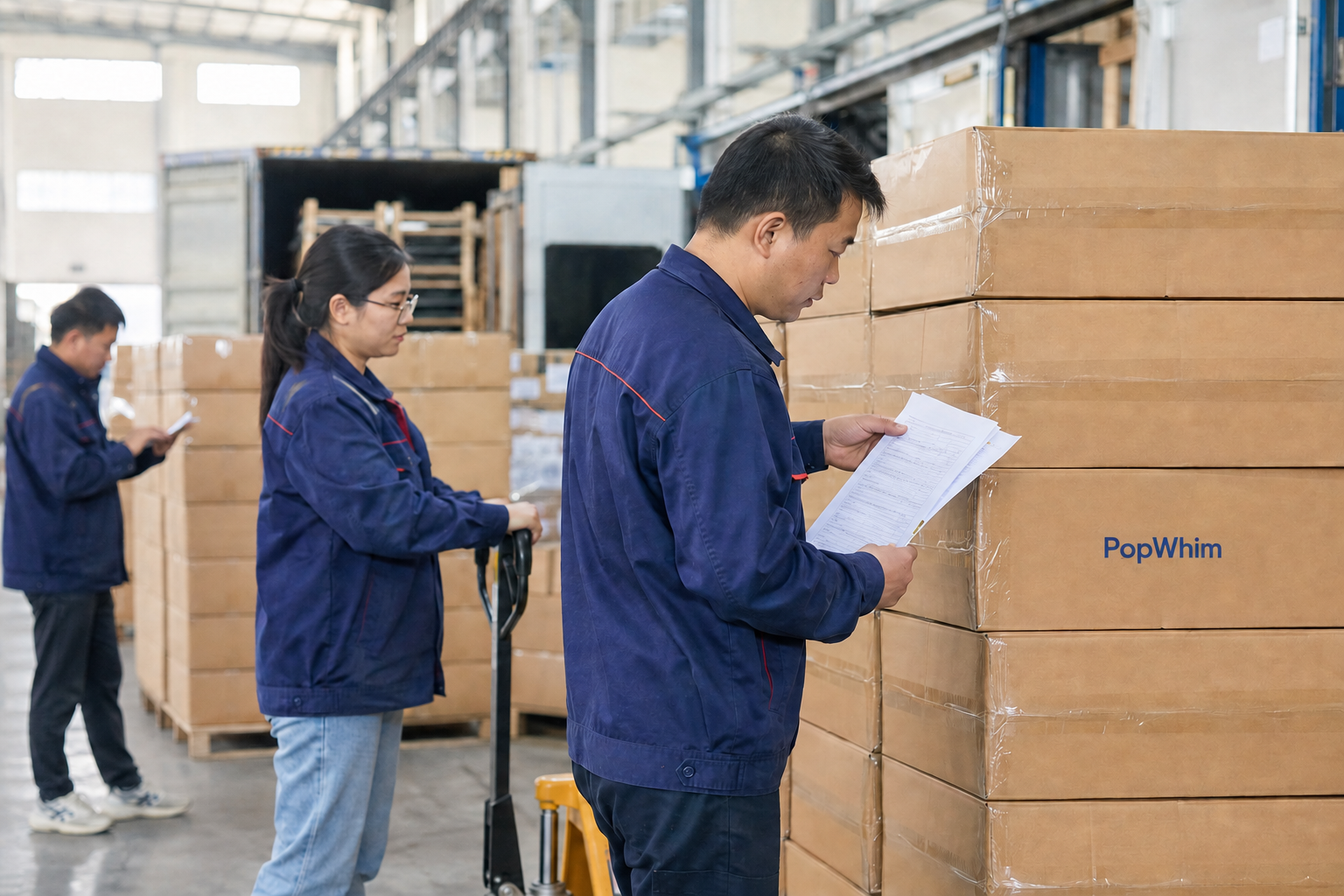
A genuine item can still be unsuitable for sale if it is incomplete, damaged, incorrectly packed or poorly documented. Check seals, accessory count, edition identifiers, carton condition and return policy. For bulk orders, final inspection should verify the physical condition while commercial documentation verifies the provenance path.
- Confirm all included components and edition identifiers.
- Inspect seals, accessories and visible cosmetic condition.
- Keep shipment photos with the invoice and packing list.
05 / Buyer action
Build a repeatable approval trail
The aim is a repeatable chain of evidence, not a one-time assertion. Store rights, artwork approvals, supplier declarations, sample sign-off and shipment inspection records by SKU. This is especially important when the same character appears in later waves, different territories or different package formats.
- Create one rights-and-approval folder per SKU.
- Set a change-control step for new markets or formats.
- Do not reuse artwork beyond its recorded permission.
Buyer FAQ
Common questions about blind box full cases authenticity and licensing
Is a logo on blind box full cases proof of a license?
No. Buyers should obtain written evidence that connects the rights holder, supplier, product scope, territory and term.
Who should verify a licensing agreement?
Commercial teams can collect documents, but a qualified legal adviser should review unclear or material rights questions.
Can an authentic product still fail an import inspection?
Yes. Authenticity does not replace checks for condition, labeling, safety, documents or shipment accuracy.
External references
Official sources and further reading
Ready to act?