The direct answer
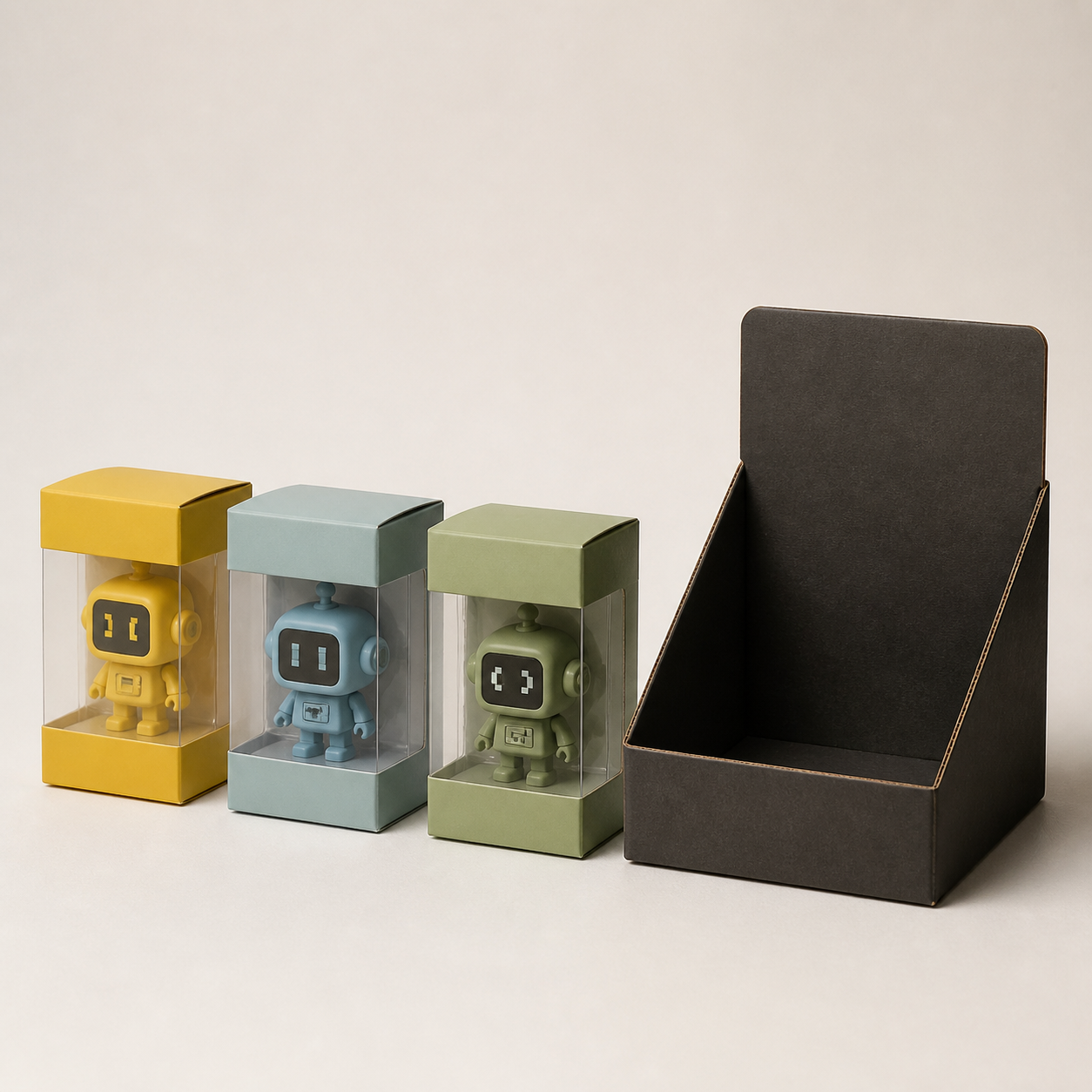
Buyers should evaluate packaging, accessories and unboxing of blind box full cases as a single system: shelf communication, protection, completeness, opening experience, labeling and export readiness. A beautiful box that scuffs the product or loses an accessory in transit does not deliver the customer experience it promises.
01 / Buyer action
Clarify the retail promise
The front, side and back of the package should explain the product format, key contents, intended customer and required market information without overpromising. For collector-led products, clarify edition or assortment logic. For concealed formats, communicate what is and is not guaranteed. The buyer should approve the final copy and visual hierarchy alongside the product sample.
- Check product name, contents and format communication.
- Reserve space for labels, warnings and barcodes.
- Review art and copy against the final SKU, not a concept mock-up.
02 / Buyer action
Count and secure every accessory
Accessories should be listed, bagged or fixed in a way that makes count and condition verifiable. Small decorative parts can create both customer-service and safety issues when loose or missing. The factory should use an assembly and pack-out checklist that a shipment inspector can follow against the approved sample.
- Create an accessory count list with reference photos.
- Check retention, bagging and visible placement.
- Inspect random packed units for completeness.

03 / Buyer action
Test the unboxing sequence
Open the package as a customer would. Check whether tabs tear cleanly, inserts release the product safely, seals are consistent and re-packing is possible where that matters. Unboxing should reveal the product without forcing the customer to cut close to painted surfaces, pull on fragile accessories or discard important documentation accidentally.
- Test opening without tools where practical.
- Check that removal does not scrape the finish.
- Confirm inserts and cards remain readable after opening.
04 / Buyer action
Separate retail protection from freight protection
Retail packaging is not always enough for export. Inner boxes, dividers, polybags, corner protection and master-carton design should be selected around the final product’s weak points. Confirm carton dimensions, gross weight and stacking instructions from packed production units before freight is booked.
- Check movement inside the retail pack and master carton.
- Verify inner, master and pallet configuration.
- Use final packed data for freight and warehouse planning.
05 / Buyer action
Inspect printed and packed goods
The final inspection should cover print quality, die-cut accuracy, barcode placement, sealing, product orientation, accessories and master-carton marks. Packaging changes can alter compliance information or transport risk, so a late artwork or insert change should trigger documented review rather than an informal approval.
- Compare printed goods with the signed artwork proof.
- Scan barcodes and verify package orientation.
- Photograph retail, inner and export cartons before release.
Buyer FAQ
Common questions about blind box full cases packaging and unboxing
What packaging mistake causes the most avoidable returns?
Missing or poorly protected accessories and a product that moves against the package during transit are common, preventable problems.
Should unboxing be tested before mass production?
Yes. Use the final product, accessories and intended packaging materials, not an empty sample box.
Can packaging changes affect safety planning?
Yes. Changes can affect warnings, traceability, instructions, accessible parts and product protection.
External references
Official sources and further reading
Ready to act?