The direct answer
Before sourcing blind boxes in bulk, buyers should approve a controlled sample and define the checks that connect it to production: material confirmation, cosmetic standards, component fit, packaging, quantity and shipment evidence. Quality control is most effective when the factory, buyer and inspector use the same acceptance criteria.
01 / Buyer action
Freeze a production reference
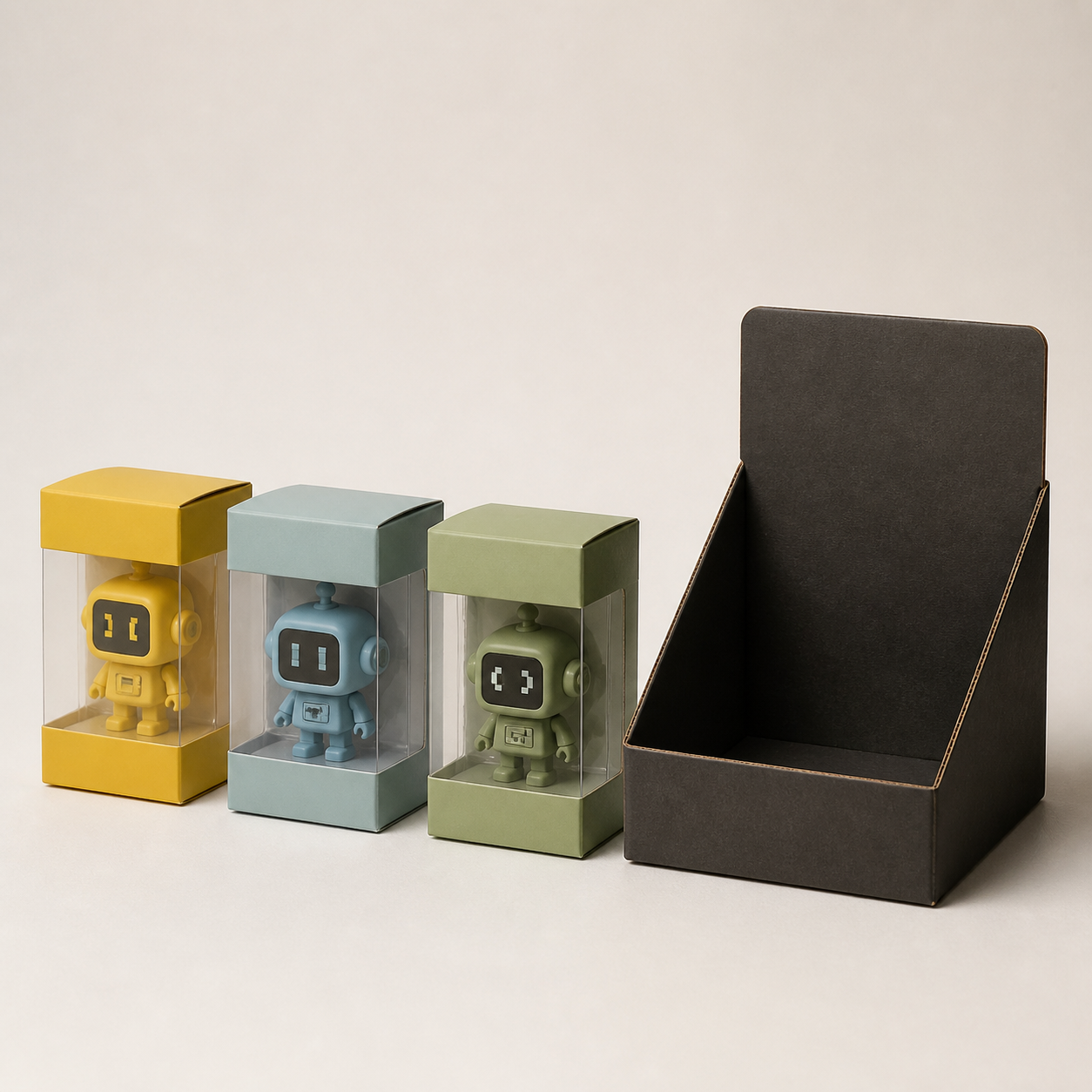
The approved production reference should show the actual product, accessories, colors, finish, package and labels. It is the comparison point for factory testing and final inspection. Record its date, revision and any accepted deviations so teams do not compare production goods with an outdated concept sample or memory.
- Approve product and packaging in the same reference set.
- Record all accepted deviations with photos and dates.
- Retain a buyer and factory reference sample.
02 / Buyer action
Define critical-to-quality points
For blind boxes, critical-to-quality points often include assortment accuracy, concealed contents, carton collation and package integrity. The buyer should distinguish critical defects from cosmetic variation and define what evidence is needed to release shipment. This turns quality discussions into observable checks rather than vague statements about “premium quality.”
- Mark critical surfaces, joints, accessories and package areas.
- Define defects that require rework, sorting or shipment hold.
- Use clear photos to support the defect classification.
03 / Buyer action
Review materials and production controls
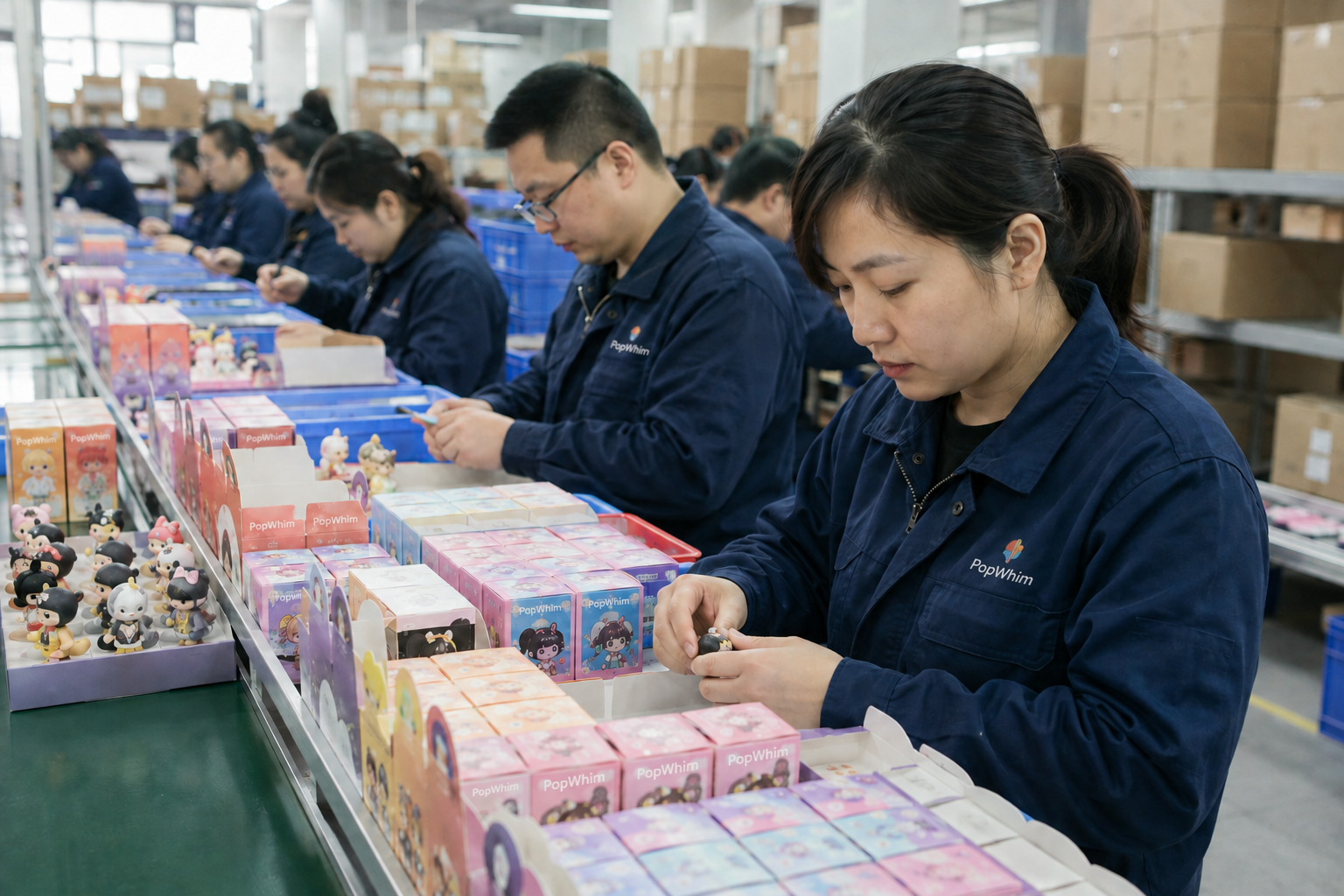
Confirm the approved materials, component suppliers, paint or printing process, assembly fixtures and change-control route before mass production. In-process inspection should include units from different stages of the run and not only the first-off sample. Any material or tooling change should be assessed against the controlled specification.
- Verify the bill of materials against the signed sample.
- Check first-off, mid-run and later-run units where practical.
- Escalate substitutions before they reach final packing.
04 / Buyer action
Inspect finished product and packaging
Final inspection should verify appearance, quantity, accessories, function where applicable, pack-out, barcode and carton marks against the purchase order. It is also the right time to check that the approved packaging protects the finish and that the final arrangement fits the planned shipment.
- Inspect random packed units and loose product where relevant.
- Count accessories and scan barcodes.
- Reconcile finished quantity with the packing list.
05 / Buyer action
Release shipment on evidence
Shipment release should follow documented inspection results, corrective-action status and final carton data. Photos, defect records and carton measurements allow the buyer to make a deliberate release decision. If a critical requirement is not met, resolve it before loading rather than attempting to correct the issue after import.
- Confirm rework completion before final release.
- Keep inspection evidence with shipment documents.
- Verify container or pickup readiness against the final packing list.
Buyer FAQ
Common questions about blind boxes bulk quality control
What is the first quality check for bulk blind boxes?
Approve a controlled production reference that covers the product, accessories, finish, packaging and accepted deviations.
Can final inspection replace in-process checks?
No. Final inspection can find issues, but earlier controls make material, assembly and finish problems easier to correct.
What should a shipment inspection report include?
It should show the sample basis, quantity, defects, corrective actions, packaging and carton-verification results.
External references
Official sources and further reading
Ready to act?