The direct answer
Price differences in blind boxes usually come from the production route and commercial controls behind the finished item, not from a single visible feature. The most useful quotation separates tooling, materials, decoration, packaging, licensing, order quantity, testing and shipment preparation so a buyer can compare like for like.
01 / Buyer action
Tooling and sculpt complexity
A highly detailed sculpt, multiple components, unusual undercuts or a new production route can add development and tooling cost. These costs should be separated from unit price because they are influenced by reuse, revision count and expected order volume. Buyers should request a clear explanation of what each tool or mould supports and what happens if the design changes after approval.
- Separate one-time tooling from recurring unit cost.
- Ask which design changes require tool revision.
- Link tool ownership and maintenance terms to the agreement.
02 / Buyer action
Materials, finishing and labor
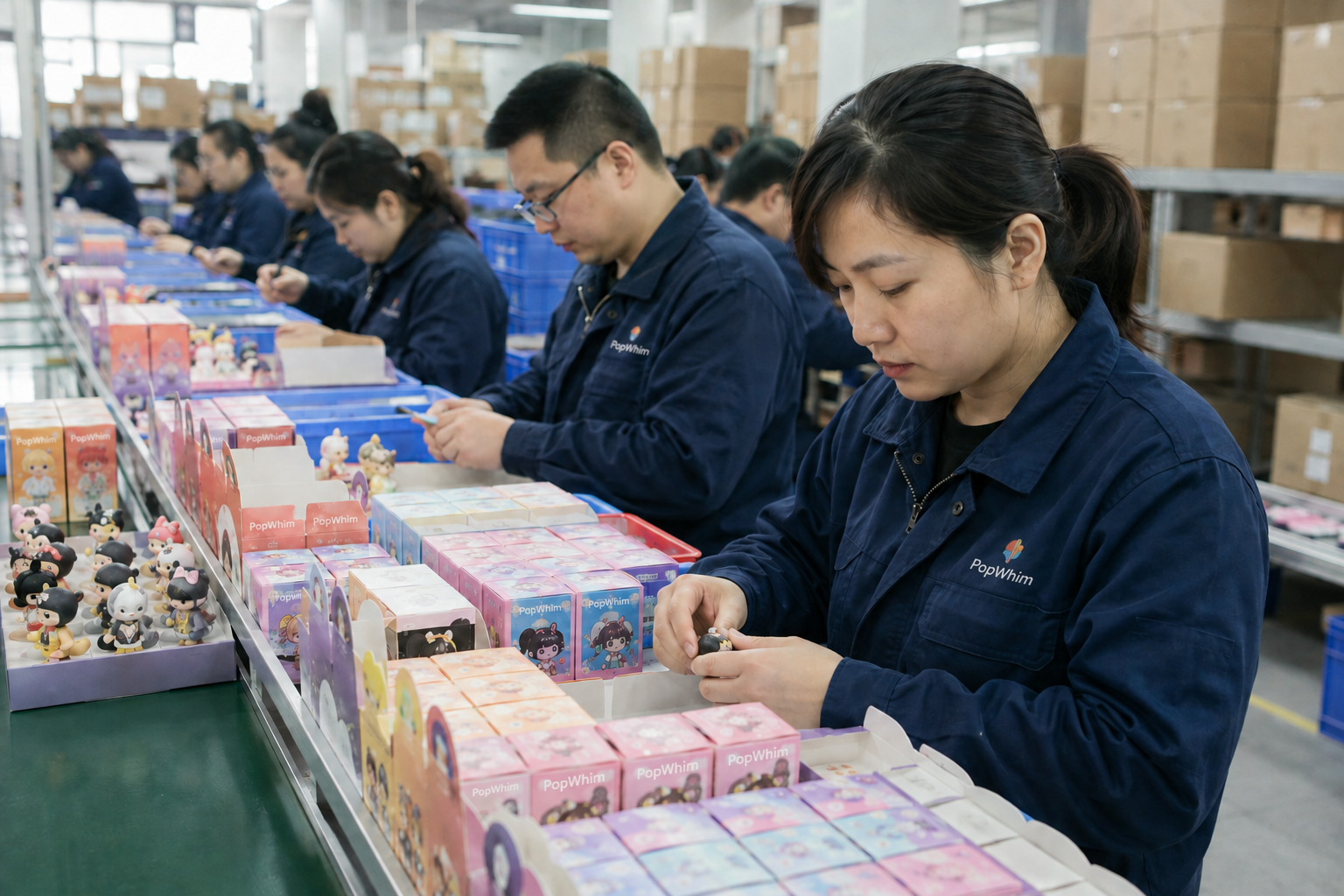
blind boxes made from painted PVC/ABS figures, paperboard packaging, foil bags and collection cards can differ substantially in material loss, assembly time and finish requirements. Complex paint masks, hand-applied details, multiple finishes and accessory fitting all add labor and reject risk. A quotation should state the approved finish level and exclusions so the buyer does not assume premium decoration is included in a base price.
- Compare material and finish assumptions line by line.
- Identify handwork, masks and fitted accessories separately.
- Review the cosmetic acceptance standard before ordering.
03 / Buyer action
Rights and edition economics
Licensed or artist-approved products can include approval cycles, royalty structures or restricted territories. These are commercial and legal questions rather than generic “brand premiums.” Verify the scope of use, approved markets and how rights-related costs are treated in the quote. WIPO notes that licensing permissions can be limited by product line, territory or channel.
- Confirm product, territory and channel scope in writing.
- Do not treat a trademark on a sample as proof of rights.
- Plan approval lead time alongside production timing.
04 / Buyer action
Packaging, MOQ and freight
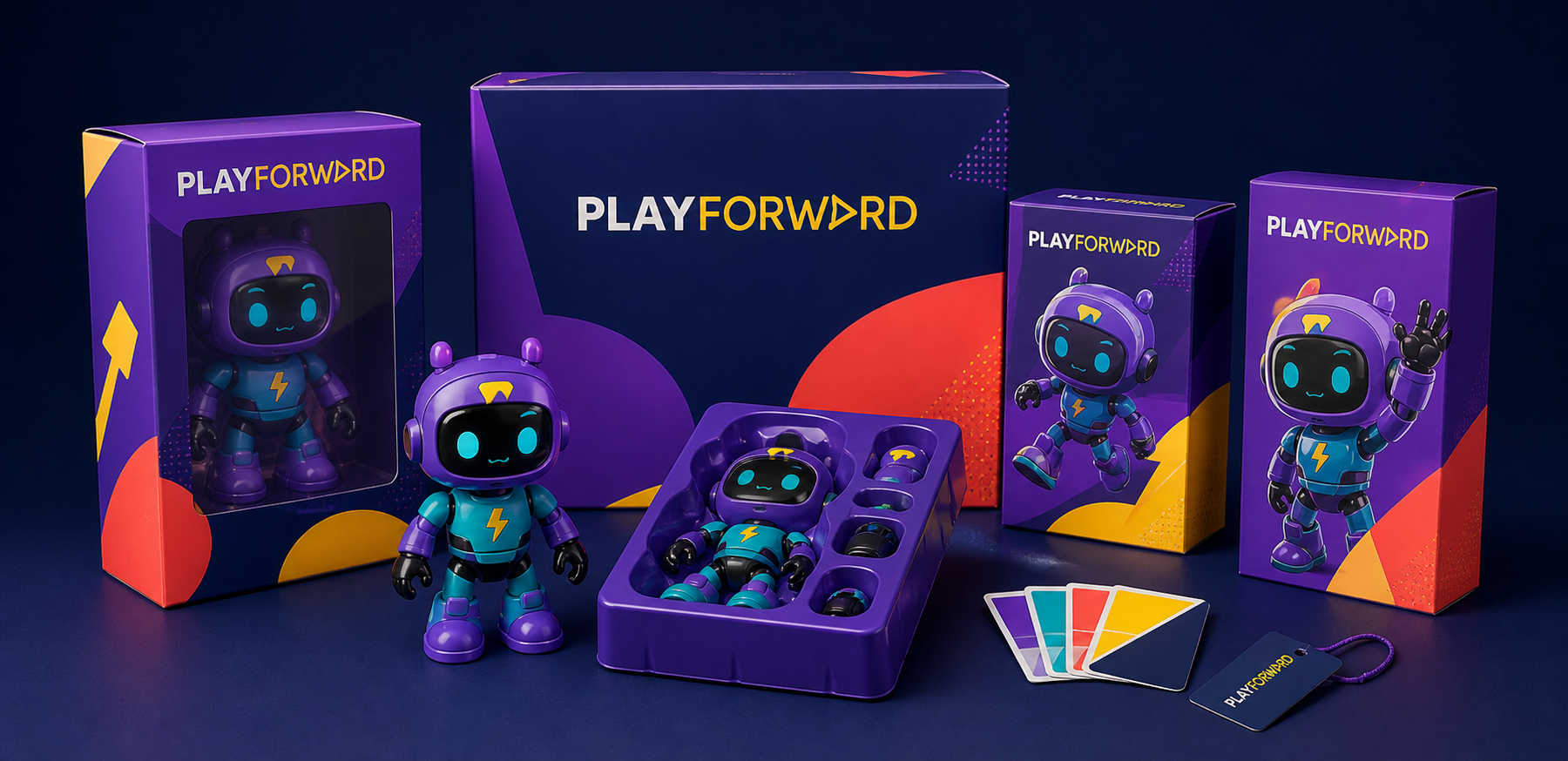
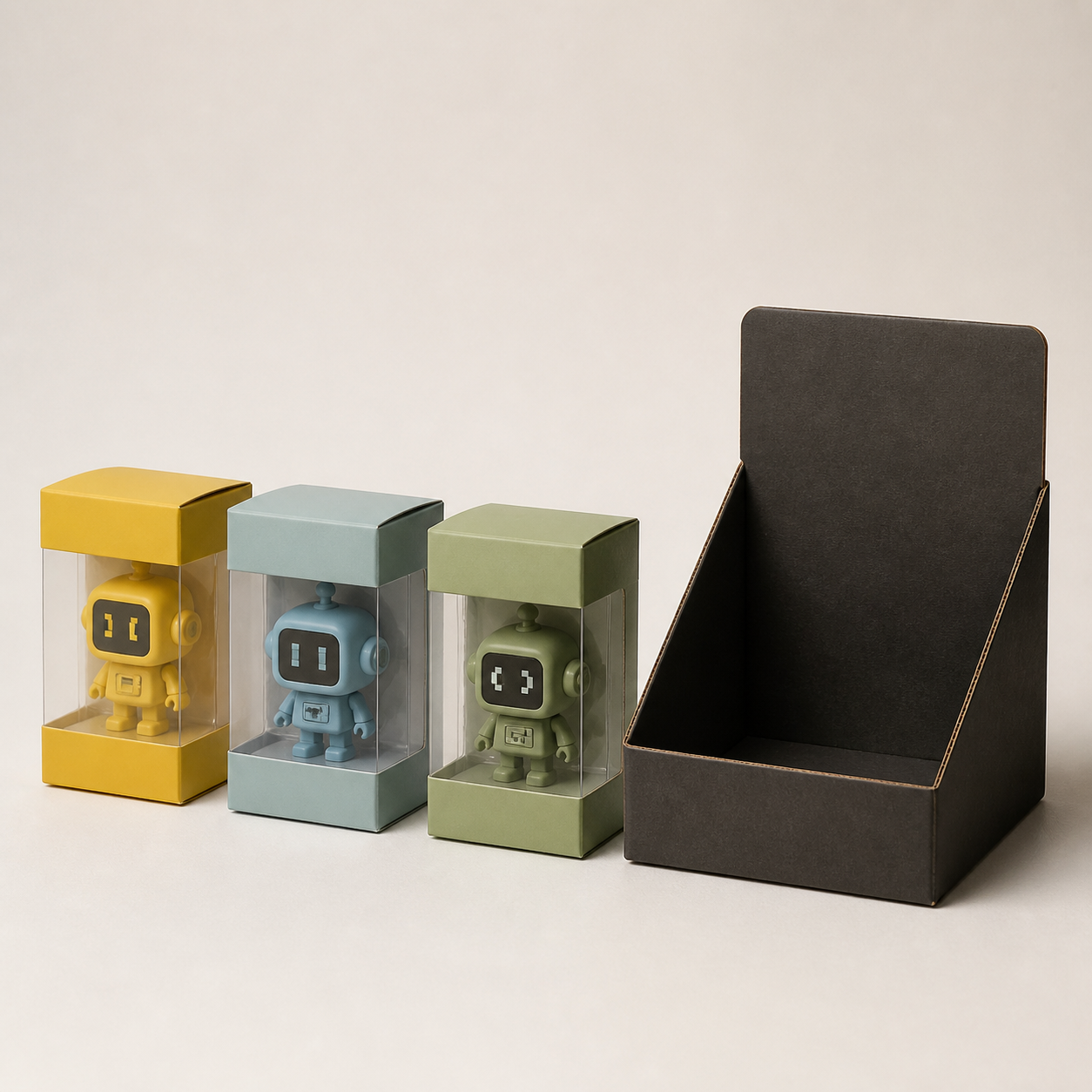
Rigid boxes, custom inserts, foil bags, display cartons and small order quantities can significantly change unit economics. Freight depends on final carton dimensions and weight, so use final packed data before making a landed-cost decision. A visually simple box may still need costly protection if the product has protrusions or fragile surface decoration.
- Price retail packs, inserts and export cartons separately.
- Model MOQ against the desired assortment, not one SKU only.
- Use final carton data for landed-cost decisions.
05 / Buyer action
Quality controls and avoidable cost
Inspection, testing and shipment preparation add cost but can reduce expensive failures later. The right question is not whether a control is free; it is whether it addresses a real risk in the final SKU. Define critical-to-quality points, photo evidence and shipment-release authority before comparing supplier offers.
- Add factory testing and inspection assumptions to the RFQ.
- Identify defects that would block shipment release.
- Compare warranty or rework responsibilities explicitly.
Buyer FAQ
Common questions about blind boxes price factors
Why can two similar blind boxes have very different prices?
They may use different tooling, materials, finish levels, rights arrangements, packaging, quantities or quality-control assumptions.
Should tooling be included in the unit price?
It can be amortized, but buyers should still see the tooling cost and the assumptions behind the amortization.
What cost should importers not overlook?
Final packaging, export-carton data, inspection, testing and the cost of damage or rework after delivery.
External references
Official sources and further reading
Ready to act?