The direct answer
Buyers should compare collectible designer toys using the same brief and evidence set: final sample, material route, edition or assortment logic, rights position, packaging and supply readiness. Price alone hides the details that create returns, missed launches or a weak collector experience.
01 / Buyer action
Compare the same product role
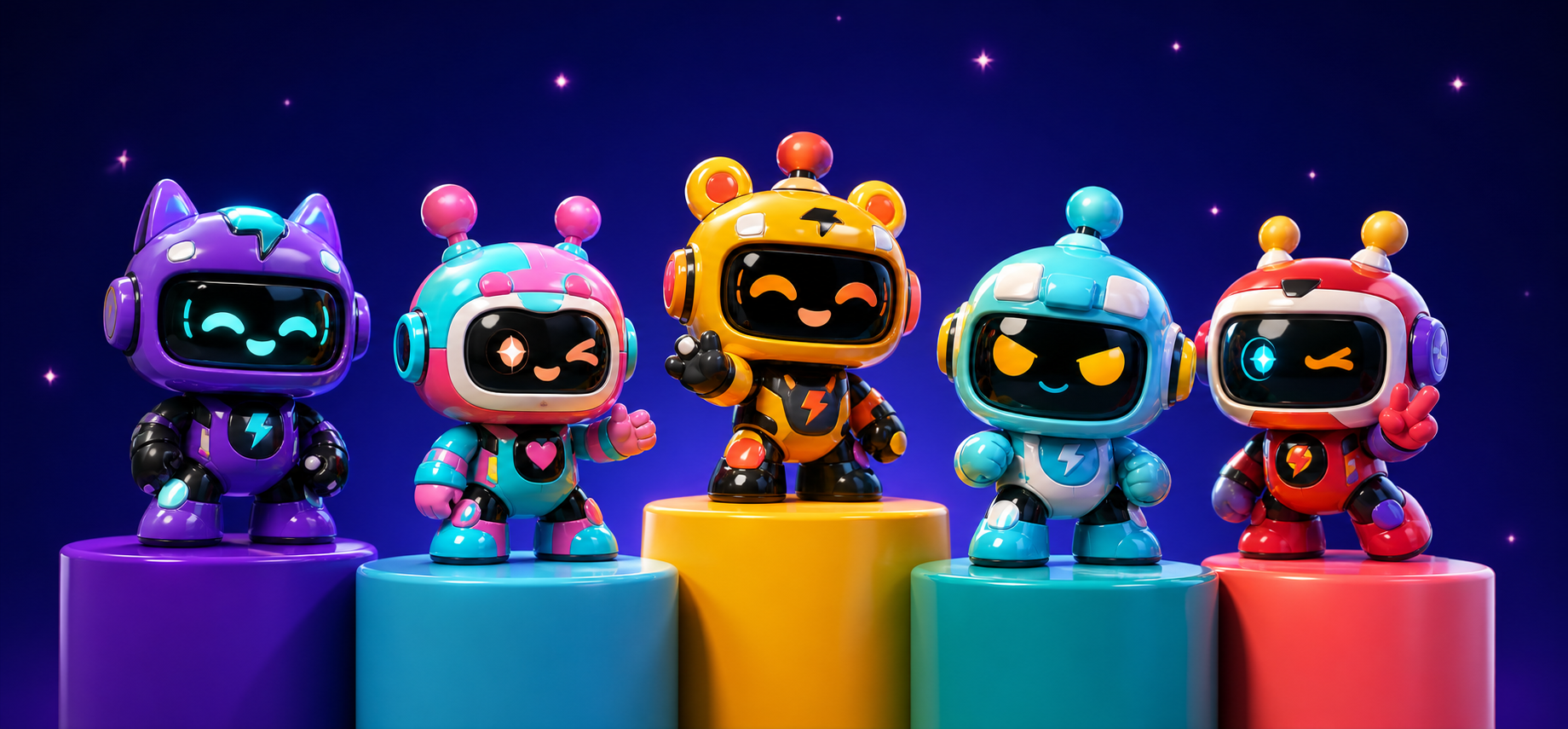
A display-led collectible designer toy, a giftable impulse item and a premium limited edition should not be evaluated against one generic benchmark. First align the customer, channel, target retail price and expected purchase behavior. This makes it easier to identify whether a competitor is winning through character appeal, production quality, packaging theatre or a more practical price ladder.
- Compare products that serve the same retail role.
- Separate entry, core and premium formats in the range.
- Use target price and display space as fixed inputs.
02 / Buyer action
Compare physical proof
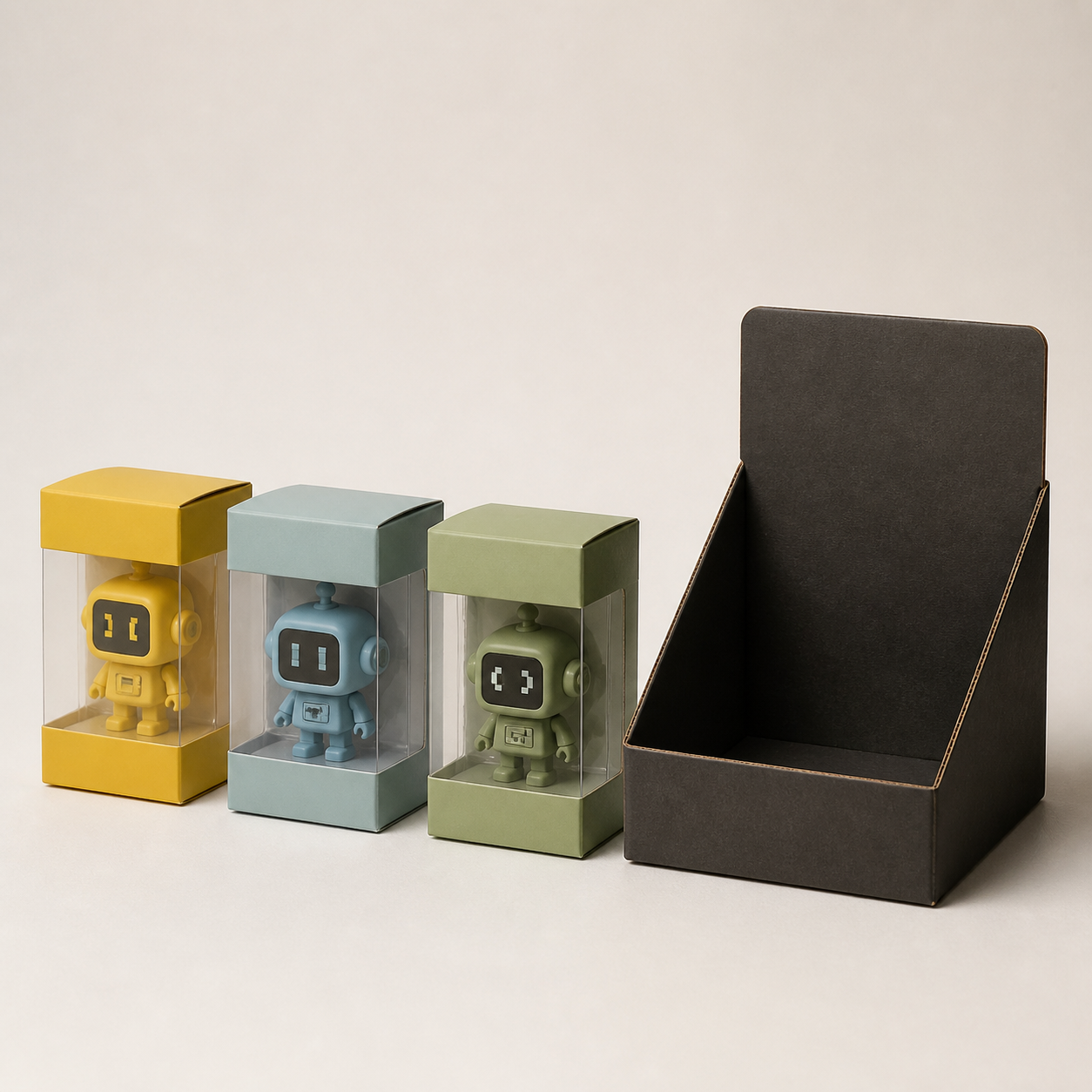
Ask for comparable evidence: assembled sample images, dimensions, materials, package mock-ups and close-ups of high-risk surfaces. A render may explain an idea but does not demonstrate how the finished product handles seams, paint boundaries or accessory fit. Where a supplier is involved, include sample review notes and factory testing checkpoints in the comparison.
- Use a shared checklist for every candidate product.
- Review front, back, base, joints and accessories.
- Record sample deviations rather than relying on memory.

03 / Buyer action
Compare provenance and commercial permission
Similar-looking collectibles can carry very different rights and distribution positions. Verify who owns the underlying art, whether any brand or character use is authorized, which territories are covered and whether packaging claims have been approved. WIPO describes licensing as a defined permission to use intellectual property; a reseller listing is not a substitute for that permission.
- Request the right-holder, territory and product-scope details.
- Check that artwork approval covers the final packaging.
- Keep license evidence linked to the SKU record.
04 / Buyer action
Compare packaging and delivery risk
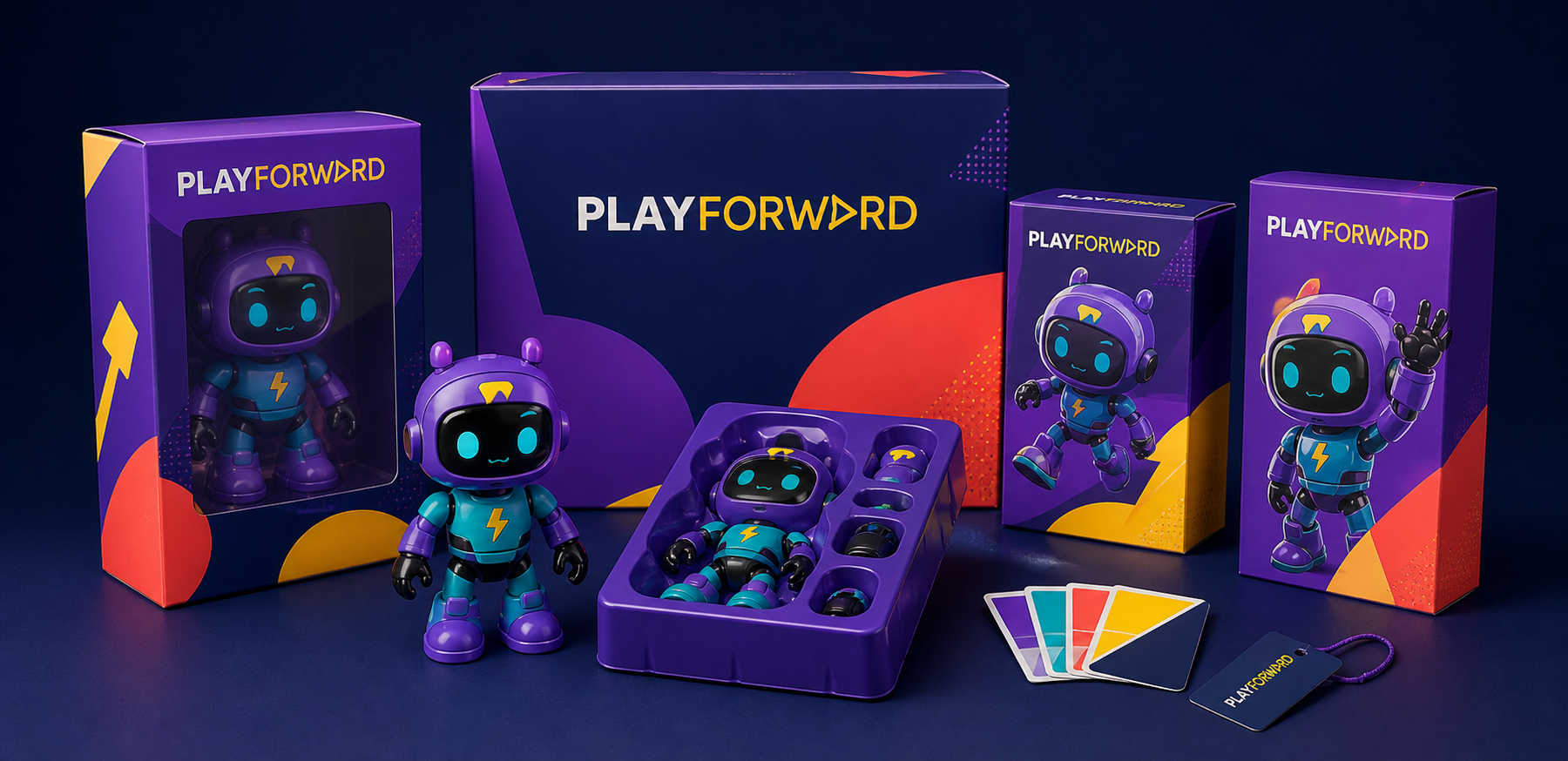
The stronger purchase is often the one with a better-controlled unboxing and export process. Compare package protection, accessories, barcode accuracy, master-carton configuration and evidence from shipment inspection. A figure with a lower unit price can become more expensive if breakage, missing components or repacking work appear after receipt.
- Review package openings, seals and internal protection.
- Compare carton pack-out and damage-prevention measures.
- Ask for final inspection and carton-verification evidence.
05 / Buyer action
Score the decision transparently
Use weighted criteria rather than an unstructured preference. Weight the factors that matter for the current launch, such as character appeal, material execution, price, rights, safety planning, lead time and packaging. A documented score does not remove judgment; it shows why the buyer chose one option and what must be verified before a purchase order is released.
- Set weights before reviewing supplier quotations.
- Keep commercial and compliance decisions visible separately.
- Use the scorecard again after samples arrive.
Buyer FAQ
Common questions about collectible designer toys comparison
What is the fairest way to compare collectible designer toys?
Use one controlled brief and score product execution, rights, packaging and supply evidence alongside price.
Does a cheaper collectible always offer better value?
No. Transit damage, rights uncertainty, weak finish or missing accessories can materially change the total commercial cost.
Should samples be compared under the same lighting?
Yes. Consistent lighting and the same photo angles make finish and color differences easier to evaluate.
External references
Official sources and further reading
Ready to act?