The direct answer
collectible designer toys can suit display, gifting or regular handling, but the best application depends on the product’s material, finish, age guidance, packaging and customer expectations. Buyers should describe the intended application before sourcing because it changes the specification, cost and quality checks required.
01 / Buyer action
Display-led application
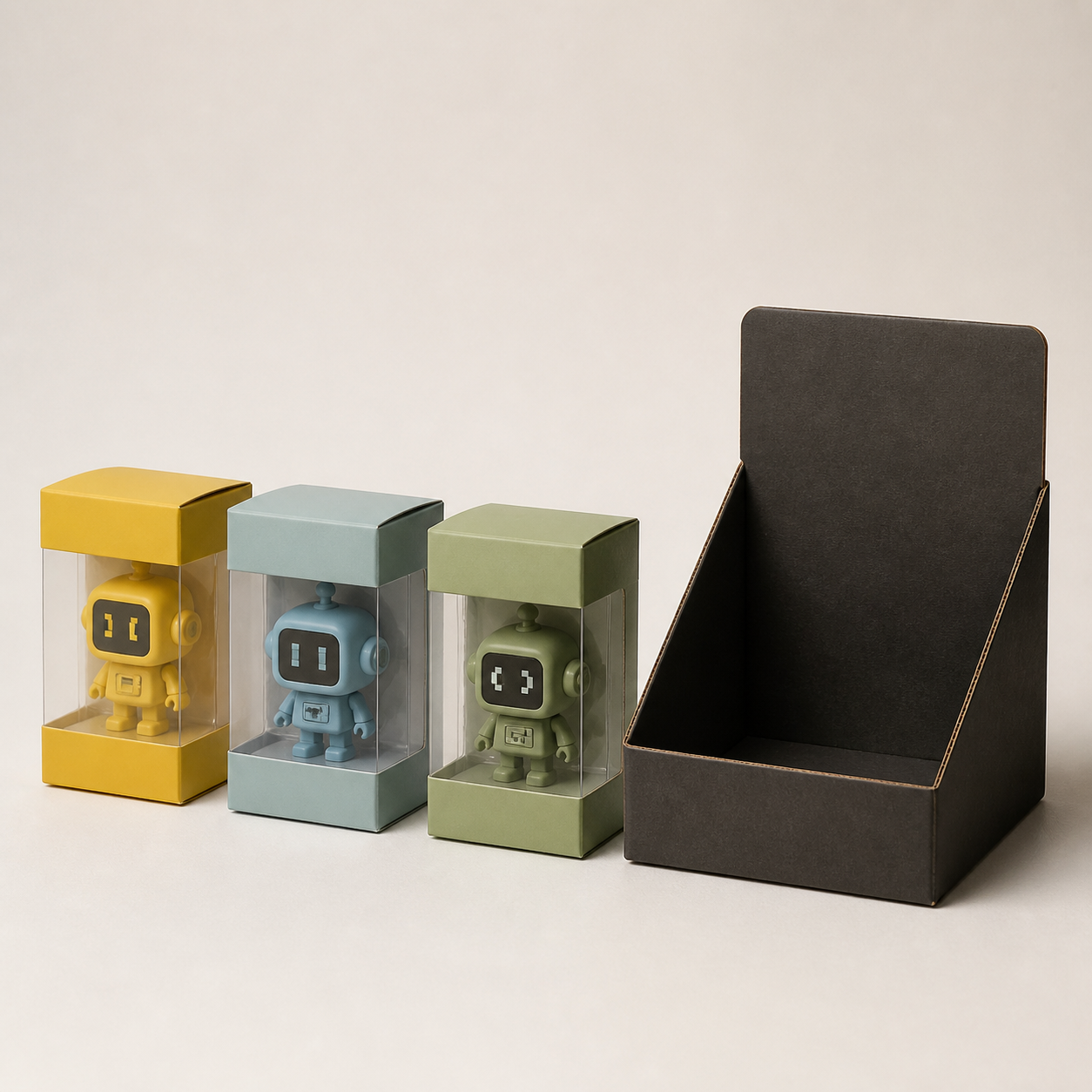
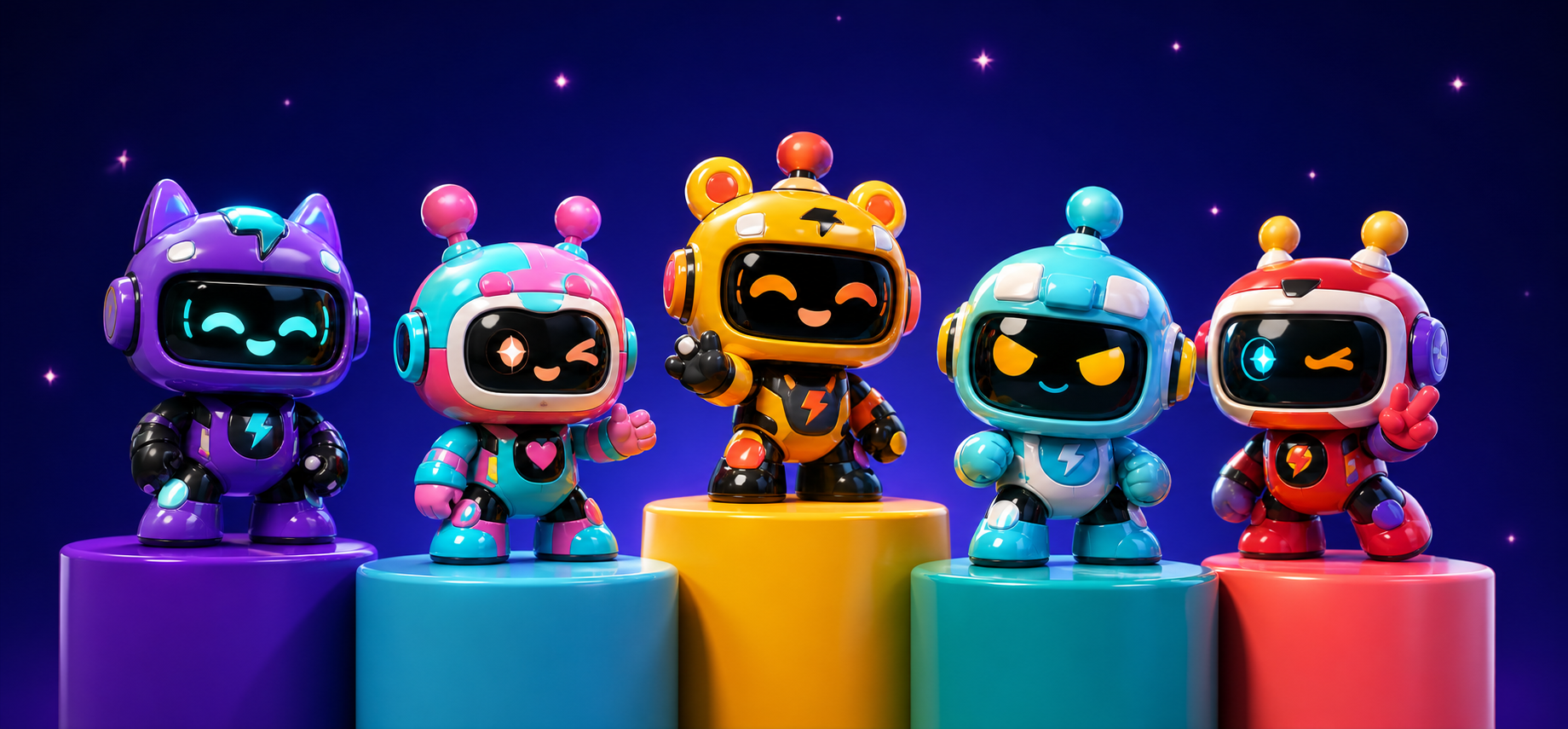
Display products benefit from strong silhouette, stable standing, controlled finish and protection from light, dust and accidental contact. A display-led collectible designer toy can prioritize sculpt and packaging presentation, but still needs safe edges, secure components and a stable base. Retailers should show the intended display footprint and whether a protective case is recommended.
- Check balance, base fit and visible finish from normal viewing distance.
- Define display orientation and shelf footprint.
- Use packaging that protects cosmetic surfaces during transit.
02 / Buyer action
Gifting application
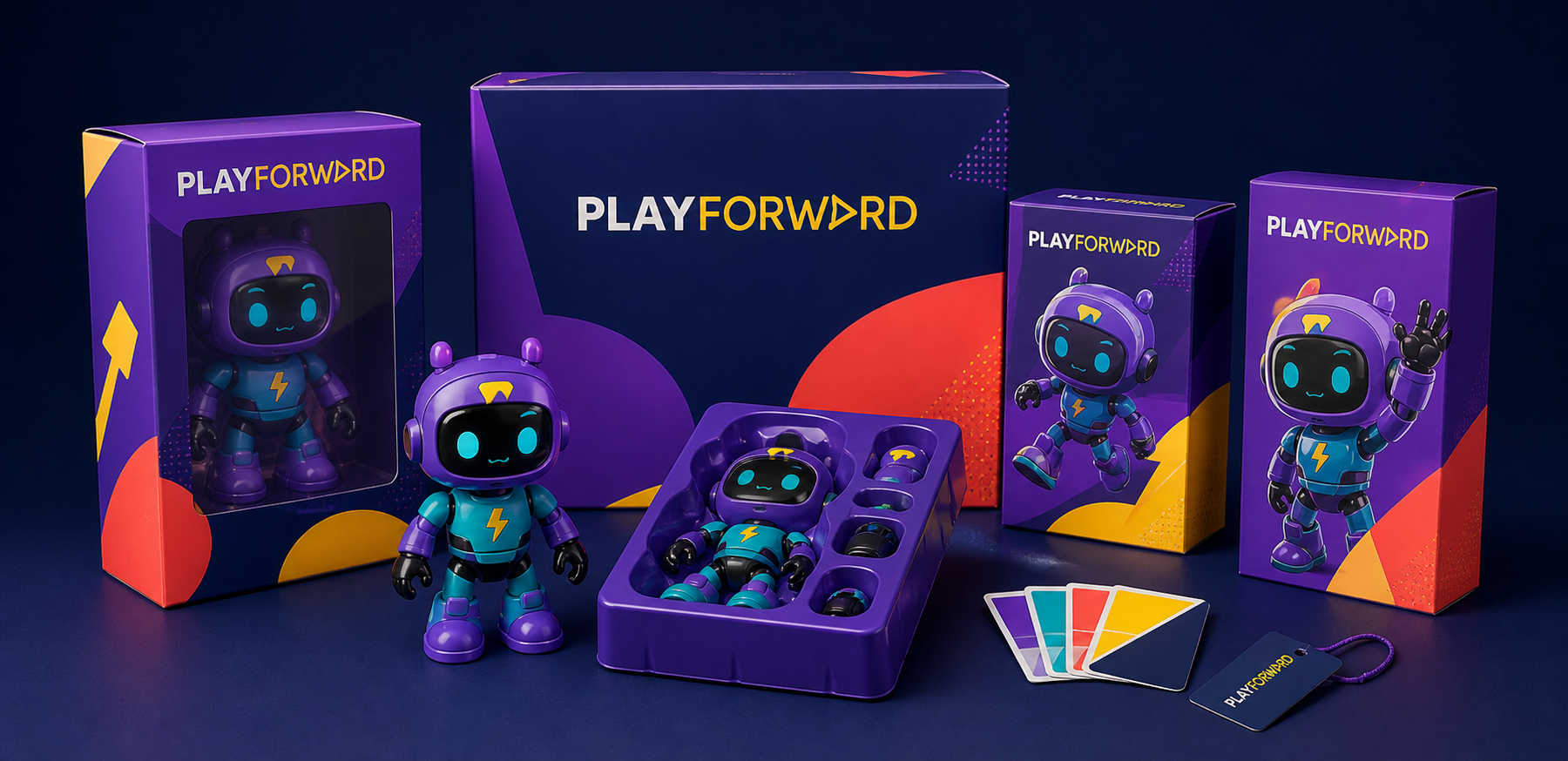
Gift products need immediate clarity: what is included, who it is for and how it opens. A strong gift experience combines a readable front-of-pack story with secure internal protection and an uncomplicated unboxing sequence. If contents are concealed, the package should communicate the format accurately without implying a guaranteed variant that is not included.
- Make age guidance and contents easy to find.
- Check pack durability through normal gift handling.
- Confirm accessory count before sealing the package.
03 / Buyer action
Everyday handling
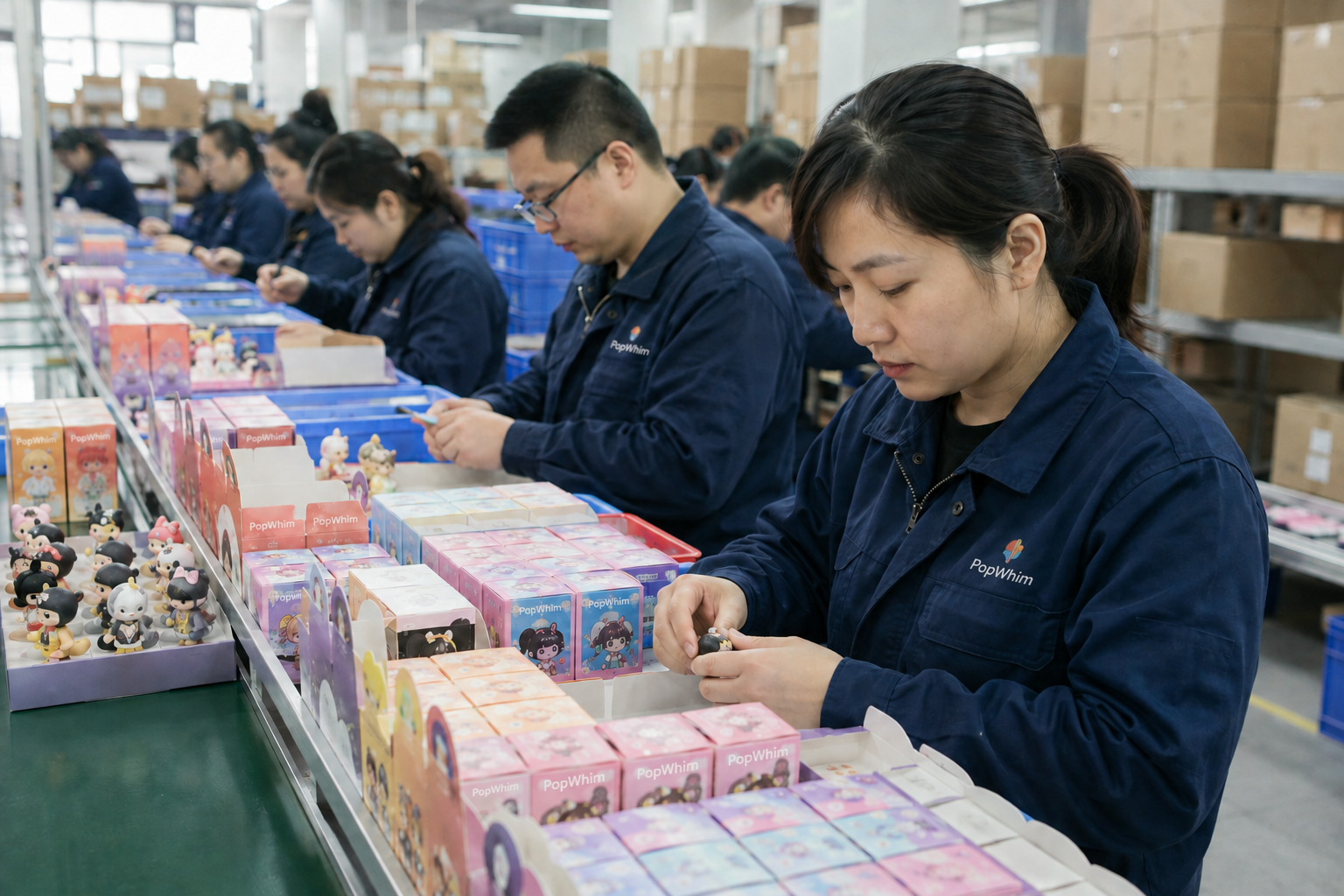
Products intended for frequent handling face more rubbing, fitting, dropping and loss of small accessories. The product brief should define the expected handling pattern and age range so construction, paint adhesion and relevant safety assessment can be planned. Do not market a display-oriented product as robust play equipment without evidence for that use.
- Test high-contact areas and repeatedly fitted components.
- Review small-part and age-labeling implications where relevant.
- Use a handling test that reflects the intended customer.
04 / Buyer action
Match the packaging to the application
The same object can need different packaging in different channels. A display piece may need a protective window or collector box, while a gift item needs clearer communication and a handling item needs durable, simple protection. Packaging should be reviewed with the actual product and accessories inside, because fit and removal matter to the final application.
- Define the unboxing order and re-packability.
- Test package opening without damaging the product.
- Separate decorative packaging from export protection.
05 / Buyer action
Use claims responsibly
Application claims should match the evidence available. Age guidance, warnings, intended use and material statements should be assessed for the final product and market. The U.S. CPSC advises following age guidance and keeping small-parts products away from children under three; buyers should not treat collector positioning as an automatic exemption from relevant product obligations.
- Align product copy with the approved use case.
- Review safety and labeling needs before printing.
- Keep the final market claim in the specification record.
Buyer FAQ
Common questions about collectible designer toys display gifting handling
Can collectible designer toys be both display items and gifts?
Yes, provided the product and package support both roles and the claims are clear about intended age and handling.
How should a buyer decide between a display and handling specification?
Start with the customer’s expected use, then define the construction, finish, protection and testing checkpoints needed for that use.
Does collector packaging remove the need for safety review?
No. Product obligations depend on the final product, intended use and market, not packaging style alone.
External references
Official sources and further reading
Ready to act?