The direct answer
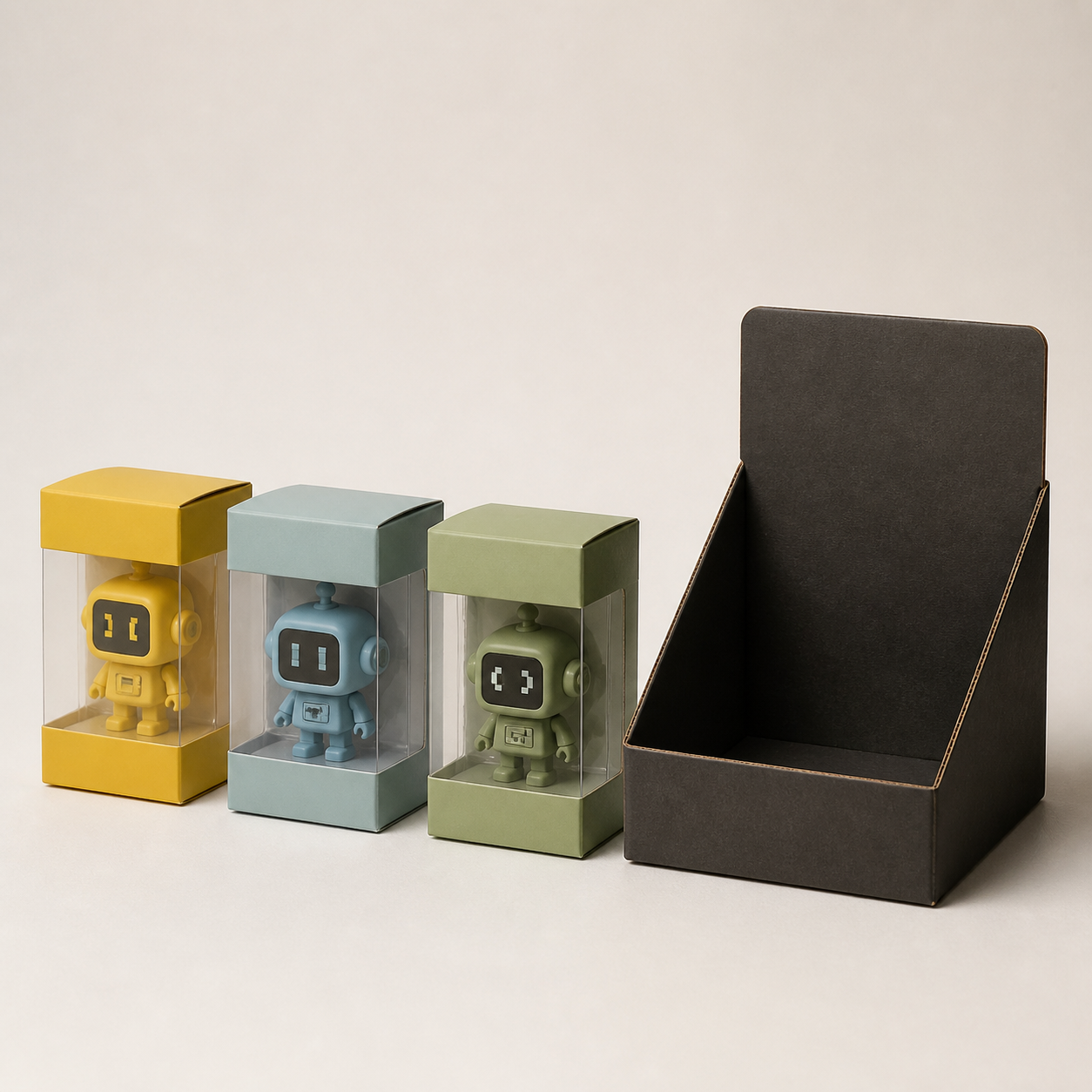
Beginners should choose collectible figures by starting with purpose and provenance, then checking the edition, condition, materials and after-sale expectations. The most attractive design is not automatically the best first purchase or sourcing candidate; recognizable silhouettes, production repeatability and display appeal should match the intended customer and sales channel.
01 / Buyer action
Start with the collector or retail job
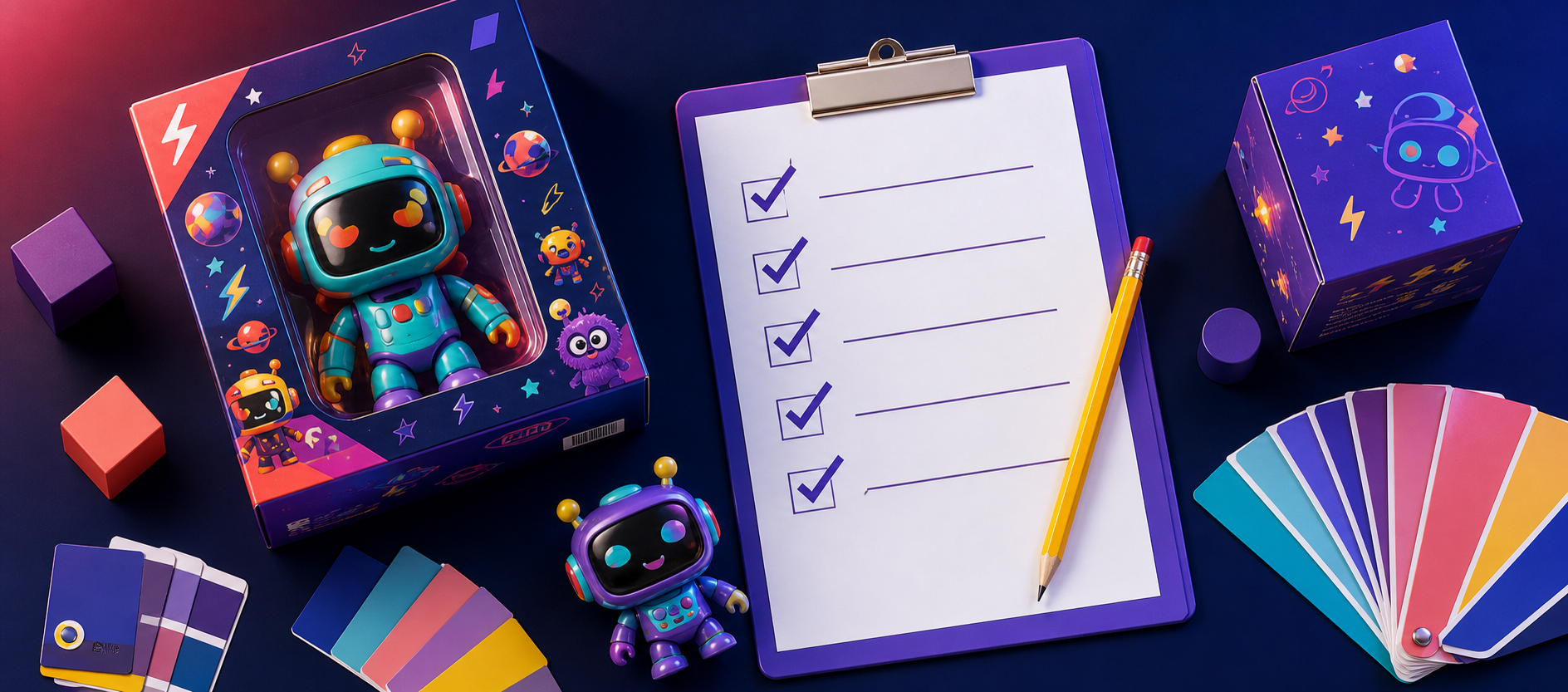
Choose collectible figures for a defined reason: display, gifting, a character-led range or a repeatable retail collection. That decision sets the acceptable price, packaging level and handling requirements. A buyer who starts with a clear use case can compare products against the same commercial brief rather than chasing an isolated launch image.
- Write the target customer, channel and desired price band.
- Decide whether the range sells a character, an artist story or a play feature.
- Confirm whether the buyer needs a one-off piece or a repeatable assortment.
02 / Buyer action
Evaluate the finished object, not only the concept art
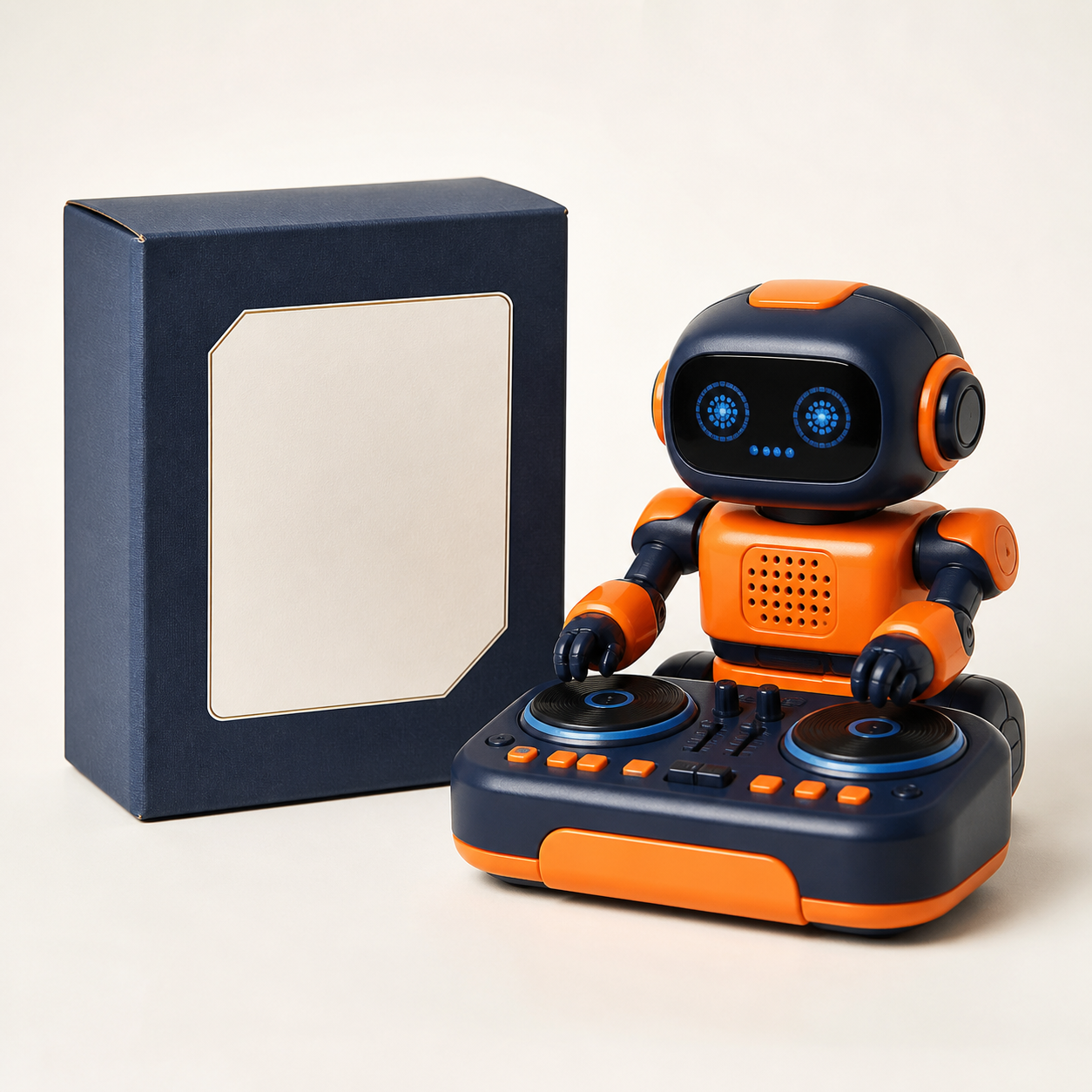
collectible figures should be reviewed as physical objects. Ask for all-angle photographs or a sample that shows the sculpt, seams, paint boundaries, balance and accessory interfaces. For a bulk project, factory testing and a production reference sample are more useful than a polished render because they reveal the tolerances that will be repeated.
- Inspect visible parting lines, paint edges and fitted components.
- Check that the product stands securely in its intended display pose.
- Compare sample color under neutral light with the approved reference.
03 / Buyer action
Check provenance before paying a premium
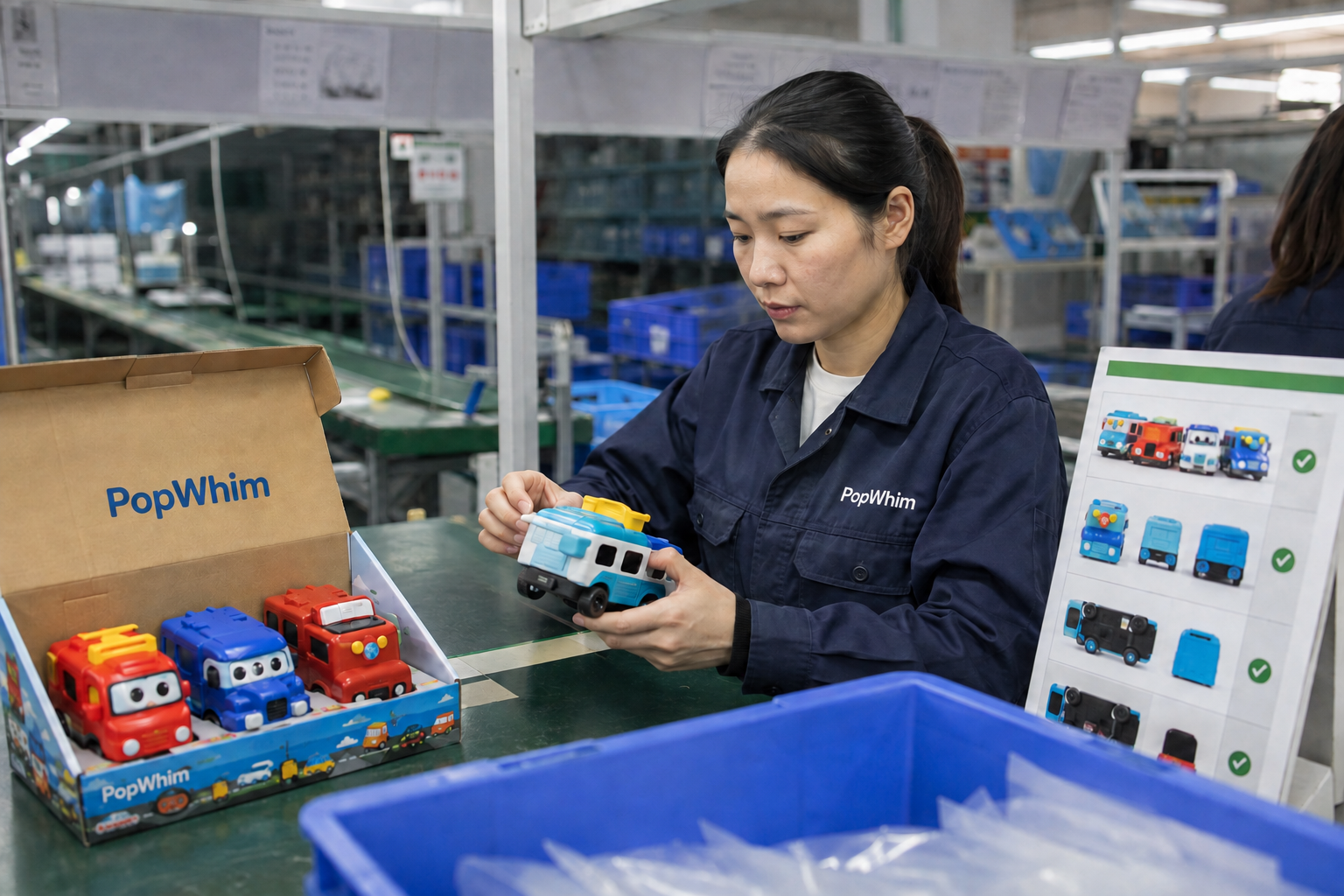
A premium price only has meaning when the seller can explain what the buyer is receiving: edition information, artist or rights-holder authorization, factory origin and condition. For a licensed project, keep written permission, approved artwork and packaging sign-off in the project record rather than relying on a logo printed on a carton.
- Ask who owns the character, artwork and trademark rights.
- Keep invoices, edition records and approval documents together.
- Treat vague licensing claims as a reason for further verification, not proof.
04 / Buyer action
Make packaging part of the decision
For collectible figures, packaging often protects both condition and commercial value. Review inserts, accessory bags, barcode placement, warnings and master-carton pack-out before approving an order. A shipment inspection should confirm that the final carton configuration matches the approved presentation, especially when boxes are intended for collectors or gifting.
- Check insert fit and edge protection against transit movement.
- Review print color, barcode scannability and warning placement.
- Confirm individual, inner and master-carton quantities in writing.
05 / Buyer action
Buy small, learn, then scale
A small first order or a controlled sample review is usually the safer path for beginners. It creates evidence about sell-through, customer handling and defect patterns before a larger commitment. Use customer requirements and return reasons to improve the next wave, not to overcorrect a single early result.
- Start with a limited, clearly documented assortment.
- Record defects, customer questions and packaging damage by SKU.
- Use the results to refine the next purchase order or product brief.
Buyer FAQ
Common questions about how to choose collectible figures
What is the safest first step when choosing collectible figures?
Define the customer and purpose, then verify the actual sample, packaging and rights information before placing a larger order.
Should beginners choose the rarest collectible figure?
Not necessarily. A well-made, clearly documented product with stable condition and relevant customer appeal is usually a more useful first benchmark.
Can packaging affect resale or retail value?
Yes. Condition, completeness and clear presentation can affect collector confidence and customer experience, so packaging should be reviewed as part of the product.
External references
Official sources and further reading
Ready to act?