The direct answer
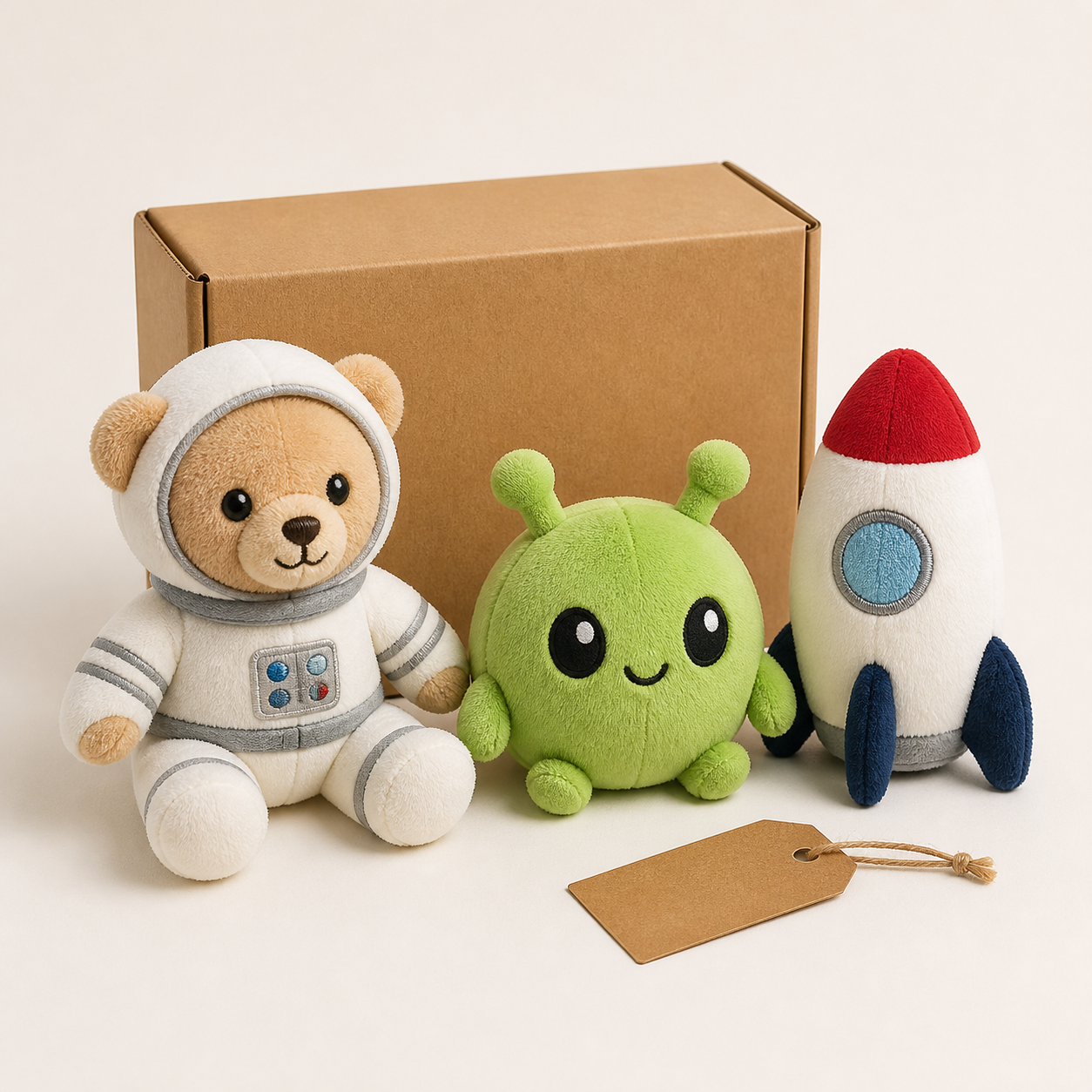
Plush looks simple until the sample stage. Small differences in pile direction, color, stuffing density, embroidery placement, seam shape and accessory attachment can change the perceived quality dramatically. A detailed sample reference prevents those choices from being left to interpretation.
01 / Buyer action
Define character and silhouette before fabric selection
The character needs a recognizable front view, side profile and proportion system before materials are finalized. Fabric and filling can alter how ears, limbs, facial features and seated shapes hold their form.
- Provide turnarounds or a photographed physical reference where possible.
- Call out expression, symmetry and key silhouette features.
- Decide whether the toy must stand, sit, hang or fit a display fixture.
02 / Buyer action
Specify fabric and filling in sensory terms
Plush buyers should define the intended hand-feel, pile length, color direction, stretch, sheen and filling density. Terms such as soft or premium are not enough for repeatable sampling.
- Use physical swatches or a controlled color reference when possible.
- Identify contrasting fabrics and embroidered details separately.
- State whether fabric direction and seam placement are visibly important.
03 / Buyer action
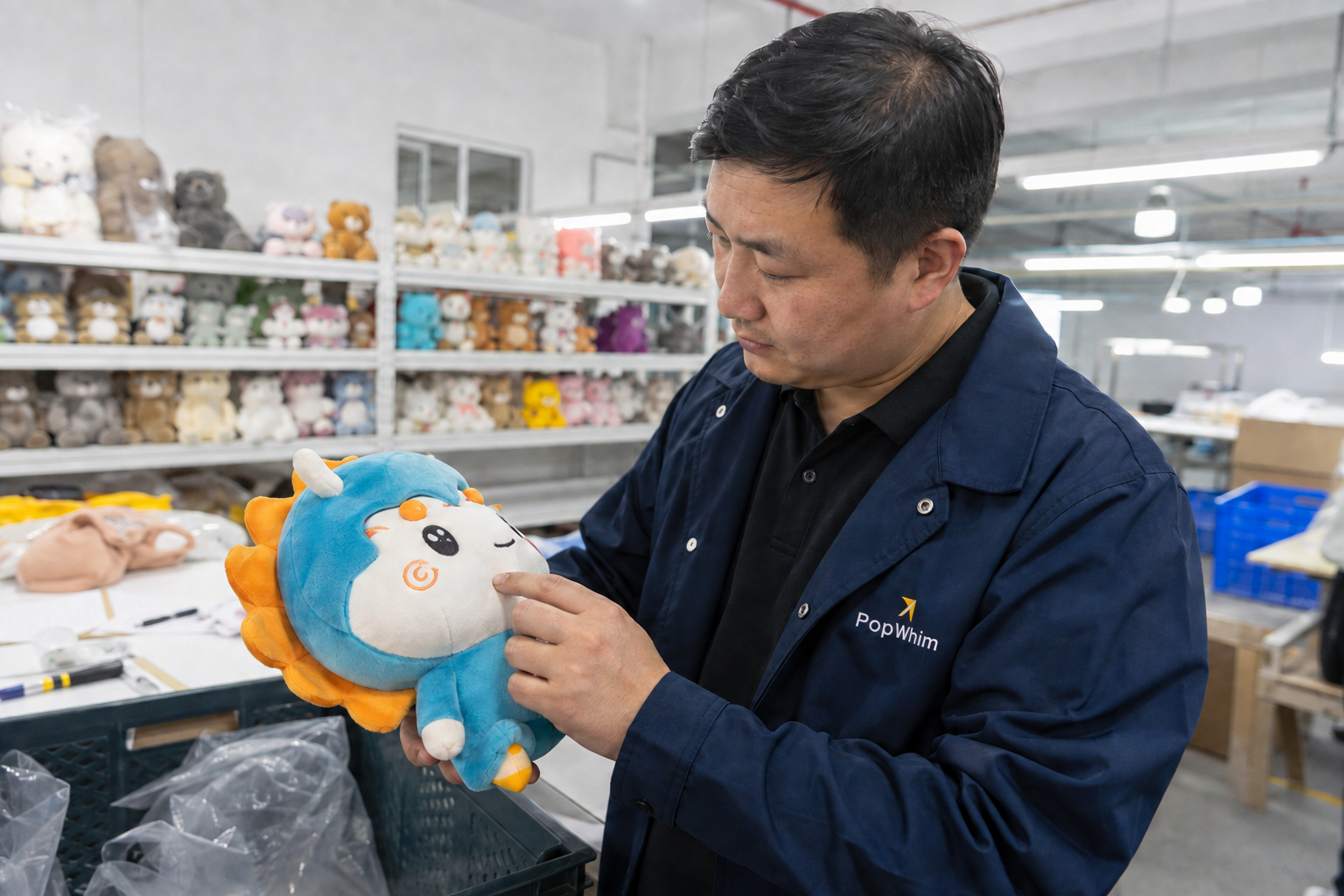
Treat faces and attachments as quality-critical
The face drives character value, while accessories can create both workmanship and product-review questions. Position, stitch density, attachment method and loose-thread tolerance should be visible in the sample specification.
- Approve face placement from multiple angles.
- List all trims, labels, hangtags and accessories.
- Define what variation is acceptable in embroidery and stuffing shape.
04 / Buyer action
Use samples to check repeatability, not only appearance
A beautiful single sample does not prove the production process will repeat it. Ask the supplier how fabric lots, cutting, sewing, filling and final grooming will be controlled during the order.
- Compare several units where possible, not one perfect piece.
- Check seam consistency, filling balance and color matching.
- Keep an approved reference for line and final inspection.
05 / Buyer action
Plan retail packaging and transport protection
Plush can be damaged by compression, loose accessories, staining or distorted shape in transit. Packaging and carton planning should preserve the intended shelf appearance while remaining practical for packing.
- Choose hangtag, band, bag or box based on display and protection needs.
- Review carton compression and recovery expectations.
- Confirm how units are cleaned and packed before shipment.
Buyer FAQ
Common questions about private label plush toy manufacturer
What should I send a plush toy manufacturer?
Send character artwork or reference images, intended size, fabric and color direction, facial details, accessories, packaging expectations, quantity, market and target timing.
Why do plush samples vary?
Fabric lots, cutting direction, hand sewing, embroidery, filling and grooming can all affect appearance. A detailed approval reference reduces variability.
Can a plush range use the same character in multiple sizes?
Yes, but each size should be sampled because proportion, filling and facial placement may not scale automatically.
External references
Official sources and further reading
Ready to act?